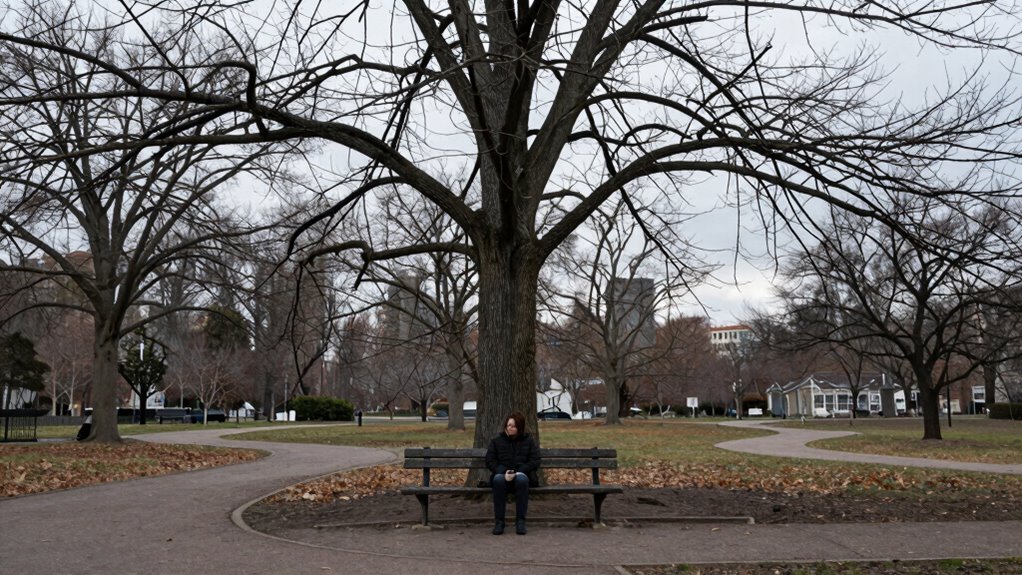

The biggest myth that stops you from reaching out is believing that needing others shows weakness or makes you overly emotional. Society often labels vulnerability as a sign of fragility, pushing you to hide your feelings of loneliness. But in reality, opening up takes courage and can lead to genuine connections. Challenging this myth helps you see that seeking support is a strength, not a weakness—if you want to know how to break free from this, keep exploring these ideas.

Get the little things that make your day delivered free with Prime
- Fast, free delivery on millions of items
- Prime Video, Amazon Music and more included
- Member-only deals all year
Key Takeaways
- Social stigma makes people believe admitting loneliness is a sign of weakness, discouraging them from seeking support.
- Many view vulnerability as fragility, causing individuals to hide feelings and avoid reaching out.
- Misconceptions about needing others suggest weakness, reinforcing the myth that loneliness is a personal failing.
- Fear of judgment leads to concealment, preventing genuine connections and perpetuating isolation.
- Recognizing vulnerability as a strength can challenge myths and encourage openness and support-seeking.
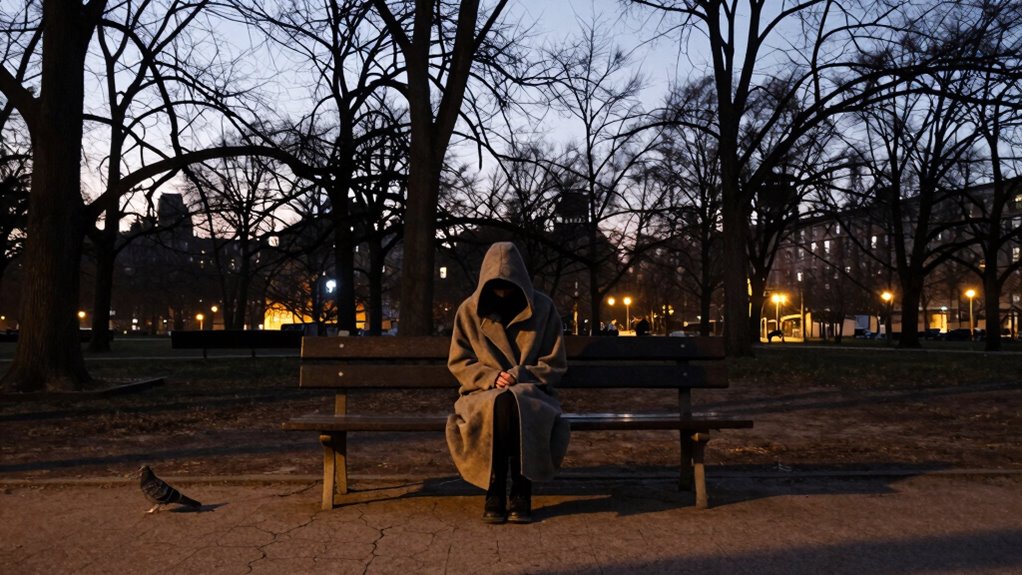
Is loneliness truly the epidemic we believe it to be? Many people think that feeling isolated or disconnected is a widespread problem, but the truth is more complicated. Often, the real barrier isn’t the absence of connection but the social stigma attached to admitting loneliness. Society tends to view vulnerability as a weakness, making it difficult for you to open up about how you truly feel. When you’re afraid of judgment or seen as overly emotional, you might hide your loneliness instead of reaching out for support. This social stigma feeds a cycle where emotional vulnerability becomes something to conceal rather than embrace, which only deepens your sense of isolation.
You might tell yourself that you’re better off handling things alone, but that mindset often stems from a fear of being judged. Society often promotes the idea that needing others is a sign of weakness, leading you to conceal your emotional vulnerability. When you keep your struggles hidden, you reinforce the misconception that loneliness is a personal failing, rather than a common human experience. This makes it even harder to ask for help, because you worry about how others will perceive your openness. Over time, that fear can make reaching out seem more intimidating than it actually is, trapping you in a cycle of loneliness that seems impossible to break. Recognizing that emotional vulnerability is a natural part of human experience can help you see that opening up is a sign of strength rather than weakness.
Acknowledging that social stigma plays a significant role in preventing connection can be empowering and help you challenge these harmful perceptions. The social stigma around loneliness discourages you from acknowledging your feelings openly. You might think that admitting loneliness makes you appear needy or fragile, which is not true. Everyone experiences emotional vulnerability at some point—it’s part of being human. But society’s negative perceptions often lead you to hide your true feelings, making you believe that you’re alone in your experience. This misunderstanding keeps many from seeking connection, leaving them feeling more isolated than ever. Recognizing that emotional vulnerability is a strength, not a weakness, can help challenge these misconceptions and foster a more positive attitude towards openness.
Building awareness about the effects of social perceptions can be a powerful step toward reducing stigma and encouraging openness. The key to overcoming this myth is recognizing that emotional vulnerability is a strength, not a weakness. When you allow yourself to be honest about your feelings, you open the door to genuine connection and understanding.
Breaking through the social stigma requires a shift in perspective. You need to see vulnerability as an act of courage, not a flaw. By doing so, you create space for authentic relationships that can help alleviate feelings of loneliness. Remember, reaching out isn’t a sign of weakness—it’s an act of bravery that can lead to meaningful connections. Recognizing that loneliness is a shared human experience, rather than a personal failure, empowers you to move past the myth and embrace the support you deserve.
journaling for emotional vulnerability
As an affiliate, we earn on qualifying purchases.
As an affiliate, we earn on qualifying purchases.
Frequently Asked Questions
How Does Loneliness Differ From Solitude?
Loneliness is an emotional isolation that affects your mental health, making you feel disconnected despite being around others. Solitude, however, is a voluntary, peaceful state you choose for reflection or relaxation. You might seek solitude to recharge, but loneliness happens when you feel alone and misunderstood. Recognizing this difference helps you reach out for support, rather than mistaking loneliness for healthy solitude, ultimately improving your emotional well-being.
Can Loneliness Be Beneficial Sometimes?
Yes, loneliness can sometimes be beneficial. When you embrace solitude, you build emotional resilience, allowing you to better handle life’s hurdles. Social conditioning often pushes you to seek constant connection, but quiet moments can foster self-awareness and clarity. By intentionally spending time alone, you recharge and reflect, transforming loneliness from a fear into a fertile ground for growth and self-discovery.
What Are Common Signs of Loneliness?
You might notice emotional isolation, where you feel disconnected from your feelings or others. Social withdrawal is common, leading you to avoid interactions or activities you once enjoyed. You may feel lonely even when around people, struggling to share your thoughts or emotions. These signs indicate loneliness, making it essential to recognize them early and reach out for support, rather than letting emotional isolation and social withdrawal deepen.
How Does Technology Influence Loneliness?
Technology shapes loneliness by offering virtual connections that feel close yet can leave you feeling empty. Social media paints a vibrant picture of others’ lives, but scrolling endlessly might deepen your sense of isolation. You might find yourself exchanging messages, yet missing genuine human contact. These digital interactions can trick your mind into feeling connected, while your heart still longs for real intimacy beyond the screen’s glow.
Are Certain Personalities More Prone to Loneliness?
Certain personality traits, like introversion or high neuroticism, can make you more prone to loneliness. If you lack social resilience, setbacks might feel overwhelming, causing you to withdraw further. Conversely, traits like extroversion and optimism often boost your ability to build connections and bounce back from social difficulties. Recognizing these traits helps you understand your loneliness risk and encourages you to develop resilience and social skills.
supportive conversation starter cards
As an affiliate, we earn on qualifying purchases.
As an affiliate, we earn on qualifying purchases.
Conclusion
Don’t let the loneliness myth trap you in a prison of silence. Breaking free might seem intimidating, but reaching out can transform your world more dramatically than you’d ever imagine. Remember, loneliness is a shadow cast by misconceptions, not a truth etched in stone. When you step into connection, you open the floodgates to warmth, understanding, and genuine human connection—more powerful than the fiercest storm. So, take that leap; your brighter, richer life awaits beyond the myth.
self-help books on loneliness and vulnerability
As an affiliate, we earn on qualifying purchases.
As an affiliate, we earn on qualifying purchases.
As an affiliate, we earn on qualifying purchases.
NFL season / tailgating Picks
team gear
As an affiliate, we earn on qualifying purchases.