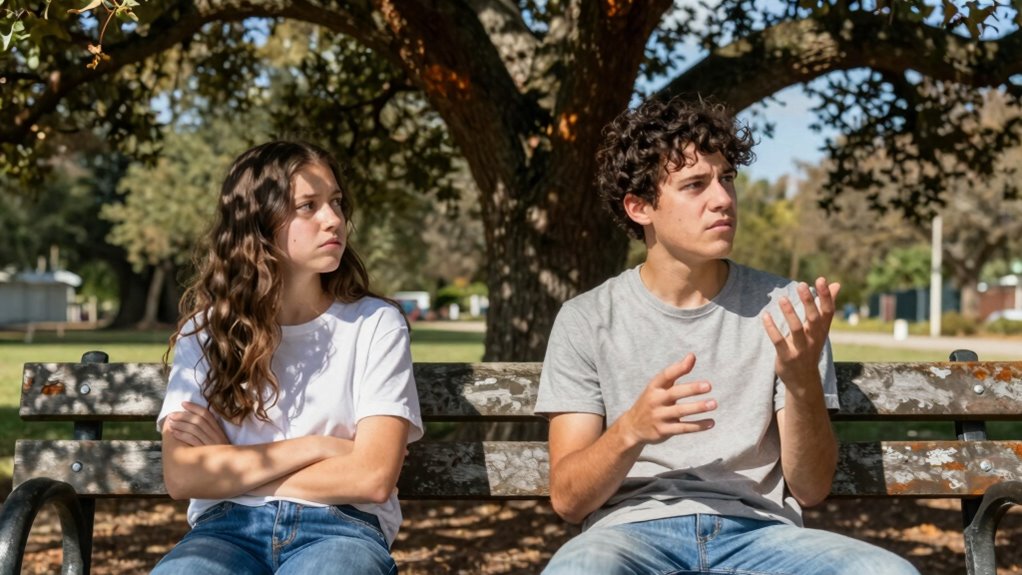

Adult sibling relationships get complicated because unresolved childhood fights over toys or attention often leave scars that impact how you interact today. Inheritance disputes and external influences like marriage or distance add new layers of tension, revealing underlying issues of fairness or favoritism. These conflicts can create ongoing resentment or misunderstandings. Recognizing these roots is key to healing, and if you keep exploring, you’ll discover ways to navigate and improve these complex bonds.

Get the little things that make your day delivered free — and shop member deals
- Fast, free delivery on millions of items
- Access to Prime Big Deal Days deals on October 6–7
- Prime Video, Amazon Music and more included
Key Takeaways
- Childhood rivalries and unresolved conflicts can resurface, affecting adult interactions and perceptions.
- Inheritance disputes often trigger longstanding tensions over assets and fairness.
- External factors like differing life choices, careers, and geographic locations create emotional gaps.
- Difficult family dynamics and role perceptions complicate communication and reconciliation efforts.
- Deep-seated emotional wounds require ongoing effort and understanding to foster healing and growth.

Have you ever wondered why sibling relationships can be so complicated? It’s something many people grapple with as they grow older. Childhood rivalry often leaves deep scars that don’t fade easily, even into adulthood. You might remember fights over toys, attention, or who was the favorite, but those early conflicts can echo into later years, shaping how you see and interact with your siblings. Sometimes, these rivalries create a lingering sense of competition or resentment, making it difficult to reconnect on a genuine level. Even if time has passed, old wounds can resurface unexpectedly, especially if unresolved issues from childhood resurface in adulthood.
Inheritance disputes are another common—and often contentious—source of adult sibling conflict. When parents pass away, the distribution of assets can ignite long-standing tensions. You may find yourself caught in disputes over money, property, or sentimental possessions, which can turn siblings into rivals. These conflicts often reveal underlying issues of fairness, favoritism, or differing values that weren’t apparent before. As you navigate these disputes, emotions run high, and past grievances can resurface, making it hard to maintain civility. Sometimes, inheritance disagreements expose cracks in sibling relationships that seemed strong earlier on, transforming what should be a time of mourning into a battleground of disputes.
Beyond these specific issues, adult sibling relationships are often shaped by a mixture of shared history and diverging life paths. You might feel a sense of loyalty or obligation, yet also find yourself frustrated by differences in values, lifestyles, or priorities. The complexity increases when you consider the influence of external factors like marriages, careers, or geographical distance. These elements can create emotional gaps, making it harder to stay connected or understand each other’s perspectives. Sometimes, you’re left questioning whether the relationship is worth the effort, especially when old wounds or new disagreements come into play. Recognizing how family dynamics influence these relationships can be key to fostering understanding and healing. Additionally, understanding family roles and how they shape expectations can offer insight into resolving conflicts. It’s important to remember that these external influences can sometimes amplify existing tensions or create new challenges. Strengthening sibling bonds often requires acknowledging how shared history impacts current interactions and working to address unresolved issues from the past.
Despite these challenges, adult sibling relationships also hold potential for growth and healing. Recognizing the roots of disagreements—whether rooted in childhood rivalry or inheritance disputes—can be the first step toward reconciliation. Open communication, empathy, and setting boundaries help you rebuild trust and understanding. It’s rarely easy, but with patience and effort, you can transform a complicated relationship into one that’s healthier and more meaningful. Ultimately, the complexity of sibling relationships reflects the depth of shared history and emotions, reminding you that while they can be challenging, they’re also worth working for.
adult sibling conflict resolution books
As an affiliate, we earn on qualifying purchases.
As an affiliate, we earn on qualifying purchases.
Frequently Asked Questions
How Do Childhood Rivalries Affect Adult Sibling Relationships?
Childhood rivalry often leaves lasting scars that influence your adult sibling relationships. Sibling rivalry can create ongoing competition, resentment, or feelings of inadequacy, making it hard to trust or connect deeply. These unresolved issues may cause you to compare, compete, or withdraw from your siblings, creating emotional distance. Recognizing how childhood rivalry affects you can help you address lingering tensions and build healthier, more supportive adult relationships.
Can Inheritance Disputes Damage Sibling Bonds Long-Term?
Inheritance disputes can definitely harm sibling bonds long-term. When financial disagreements arise over inheritance, they often lead to resentment and mistrust. Parenting differences that surface during these disputes can intensify the conflict, making it harder to rebuild trust later. As you navigate these issues, it’s essential to communicate openly and seek mediation if needed, so you can protect your relationship and avoid lasting damage.
How Does Geographic Distance Influence Sibling Closeness?
Geographic separation can feel like a vast ocean between you and your sibling, making long-distance bonding more challenging yet possible. When you’re miles apart, you must intentionally nurture your connection through calls, messages, and shared memories. While geographic distance might create physical barriers, it also offers space for personal growth, making your bond resilient. With effort, you turn the miles into bridges, strengthening your sibling relationship despite the long distance.
What Role Do Family Secrets Play in Adult Sibling Dynamics?
Family secrets often create emotional baggage that influences sibling dynamics. When you uncover or hide secrets, it can lead to trust issues, resentment, or feelings of betrayal. These hidden truths shape how you interact with your siblings, sometimes causing distance or conflict. By confronting or discussing family secrets openly, you can reduce emotional baggage and foster a healthier, more honest relationship. Secrets, when managed well, can either divide or unite siblings.
How Can Siblings Rebuild Trust After a Major Conflict?
You need to mend fences by opening honest, heartfelt conversations. Think of it as planting seeds for emotional healing; patience and understanding are key. Use effective communication strategies like active listening and expressing your feelings without blame. Apologize sincerely if needed, and focus on rebuilding trust step by step. Remember, it takes time, but with effort, you can turn the page and restore your sibling bond to a healthier place.
inheritance dispute mediation tools
As an affiliate, we earn on qualifying purchases.
As an affiliate, we earn on qualifying purchases.
Conclusion
Managing adult sibling relationships can feel like walking a tightrope, especially when past disagreements resurface. Imagine a sibling who feels overlooked after years of rivalry, only to discover that their feelings of resentment haven’t faded. Recognizing that these complexities stem from shared history and individual experiences helps you approach conflicts with empathy. By fostering open communication, you can build a stronger bond and create a lasting, supportive relationship—despite the challenges.
family therapy for sibling relationships
As an affiliate, we earn on qualifying purchases.
As an affiliate, we earn on qualifying purchases.
emotional healing journals for family conflicts
As an affiliate, we earn on qualifying purchases.
As an affiliate, we earn on qualifying purchases.
Halloween Picks
halloween
As an affiliate, we earn on qualifying purchases.