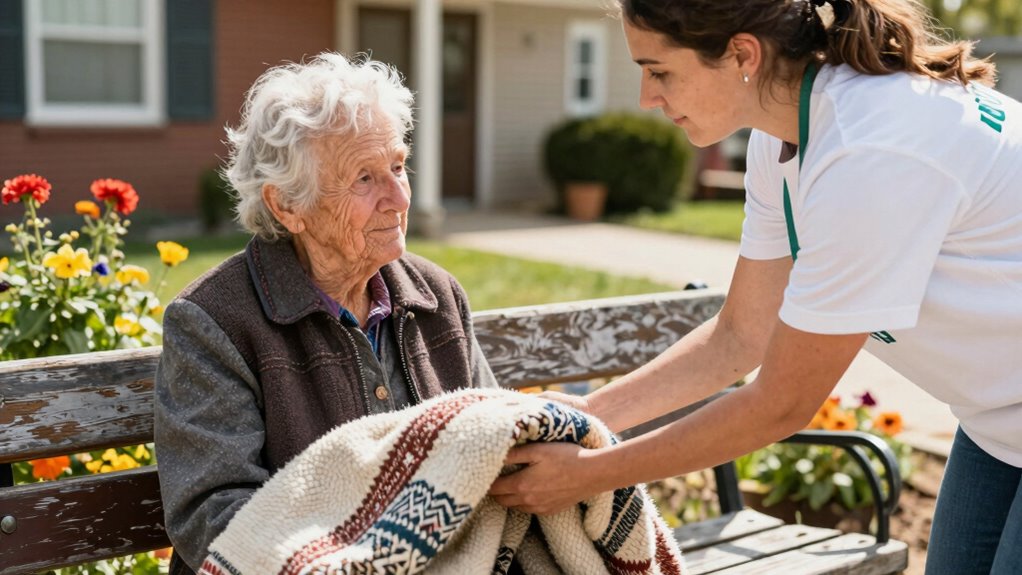

When volunteering, focus on listening actively and asking questions to understand community needs rather than making assumptions. Show humility about your knowledge and respect local customs and social norms. Support initiatives set by community members, amplifying their voices instead of taking control. Treat everyone with kindness and dignity, ensuring your actions empower rather than disempower. To deepen your understanding of respectful engagement and meaningful support, keep exploring ways to build strong, trust-based relationships.

Get the little things that make your day delivered free — and shop member deals
- Fast, free delivery on millions of items
- Access to Prime Big Deal Days deals on October 6–7
- Prime Video, Amazon Music and more included
Key Takeaways
- Listen actively and ask questions to understand community needs without making assumptions.
- Support local initiatives and amplify community voices rather than taking control.
- Respect cultural norms and social contexts to foster trust and avoid misunderstandings.
- Engage with humility, recognizing your role as an ally, not a savior.
- Prioritize community priorities and empower members to lead in decision-making.

Ever wondered how you can make a meaningful difference without overstepping boundaries? The key lies in understanding the importance of cultural sensitivity and recognizing the complex power dynamics at play. When you approach volunteering with an open mind and respect for the community’s values, you help foster genuine connections rather than unintentionally imposing your own beliefs or solutions. Cultural sensitivity means being aware that different communities have unique traditions, norms, and perspectives. It involves listening actively, asking questions instead of making assumptions, and showing humility about what you don’t know. By doing so, you demonstrate respect for their way of life and avoid behaviors that might be perceived as condescending or invasive.
Power dynamics are equally essential to reflect on. As a volunteer, you may come from a place of privilege, which can unintentionally create an imbalance in relationships. Recognizing this dynamic helps you stay mindful of where your authority or influence lies. Instead of trying to “fix” problems or take over, focus on supporting local initiatives and amplifying voices that are already working toward change. Your role should be to facilitate, not dominate. Remember, the community’s leaders and members are the experts of their own needs and solutions. Your job isn’t to impose your ideas but to listen, learn, and collaborate respectfully. Being aware of power imbalances can also help you navigate your role more ethically and responsibly.
Respecting people’s dignity means avoiding assumptions about what they need or want. Instead of approaching your volunteer work with preconceived notions, ask questions and listen carefully. This shows that you value their experiences and perspectives. It also prevents you from unintentionally minimizing their struggles or overshadowing their agency. When you work alongside community members, make sure your actions empower rather than disempower. Offer support that aligns with their priorities, and be flexible enough to adapt as your understanding deepens. Recognizing the importance of cultural norms can help you avoid misunderstandings and build trust more effectively. Being aware of social context and how it influences community needs can help you approach your work with greater empathy and effectiveness. Finally, humility is essential. No matter how motivated you are, you’re not there to be the hero but to serve as an ally. Stay aware of how your presence might influence the environment, and always prioritize the community’s comfort and autonomy. When you approach volunteering with genuine respect, cultural sensitivity, and an understanding of power dynamics, you help build relationships rooted in dignity and trust. That’s how you make a real, positive impact that lasts beyond your visit.
cultural sensitivity training books
As an affiliate, we earn on qualifying purchases.
As an affiliate, we earn on qualifying purchases.
Frequently Asked Questions
How Do I Handle Cultural Differences When Volunteering Abroad?
When volunteering abroad, you handle cultural differences by practicing cultural sensitivity and engaging in cross-cultural communication. You actively listen, ask respectful questions, and learn about local customs and traditions. Respect their values, avoid assumptions, and adapt your behavior accordingly. By showing genuine interest and humility, you foster trust and understanding, ensuring your volunteer efforts are respectful and impactful. This approach helps you build meaningful connections and positively contribute to the community.
What Should I Do if I Encounter Unethical Behavior?
If you encounter unethical behavior, address it promptly and respectfully, keeping ethical boundaries in mind. Recognize power dynamics at play and avoid exploiting or undermining others. Speak up calmly, report the issue to the appropriate authority, and support those affected. By maintaining integrity and understanding the influence of power, you help guarantee a safe, respectful environment where everyone’s dignity is upheld.
How Can I Ensure My Volunteer Work Is Genuinely Helpful?
To guarantee your volunteer work is genuinely helpful, align your efforts with your volunteer motivations, focusing on truly supporting those in need. Practice effective communication by listening actively and respecting people’s perspectives. Be flexible and adaptable, always seeking feedback to improve your approach. Remember, humility and empathy go a long way. By staying committed to these principles, you’ll make a meaningful difference and foster dignity in every interaction.
What Training Is Recommended Before Volunteering With Vulnerable Groups?
Imagine stepping into a garden where each flower’s bloom depends on understanding its unique needs. Before volunteering with vulnerable groups, you should undergo cultural awareness and ethical training. These programs teach you to recognize diverse backgrounds, avoid stereotypes, and act with respect. By planting these seeds of knowledge, you foster trust and dignity, ensuring your help nurtures growth rather than harm, creating a safe space for everyone involved.
How Do I Balance Volunteering With Respecting Local Community Autonomy?
You balance volunteering with respecting local community autonomy by prioritizing community empowerment, encouraging locals to lead projects, and listening actively to their needs. Focus on building long-term sustainability by supporting local initiatives rather than imposing external solutions. Always seek collaboration, respect cultural norms, and guarantee your involvement fosters independence. This approach helps communities thrive on their own terms, maintaining dignity while benefiting from your support.
active listening tools for volunteers
As an affiliate, we earn on qualifying purchases.
As an affiliate, we earn on qualifying purchases.
Conclusion
Think of volunteering as tending a garden—you plant kindness, water respect, and nurture dignity. When you approach your work with genuine humility and listen more than you speak, you help the seeds of trust grow. Remember, your actions are like sunlight—powerful enough to brighten someone’s day or, if careless, cast shadows. By respecting people’s dignity, you’re cultivating a space where everyone can flourish. Keep your intent pure, and watch the beauty unfold.
As an affiliate, we earn on qualifying purchases.
As an affiliate, we earn on qualifying purchases.
Halloween Picks
halloween
As an affiliate, we earn on qualifying purchases.