
To build donor trust before asking for more, focus on creating authentic relationships by sharing genuine stories of impact and being transparent about how funds are used. Engage supporters through personalized, consistent communication and involve volunteers to demonstrate community involvement. Partner with reputable companies to boost credibility and openly acknowledge challenges while highlighting your efforts to improve. If you want to discover more ways to strengthen these connections, keep exploring strategies to foster long-term trust and support.

Get the little things that make your day delivered free with Prime
- Fast, free delivery on millions of items
- Prime Video, Amazon Music and more included
- Member-only deals all year
Key Takeaways
- Share transparent updates and stories demonstrating the tangible impact of donor contributions.
- Foster genuine relationships through personalized communication and consistent engagement.
- Collaborate with reputable corporate partners to enhance credibility and community trust.
- Involve volunteers in activities and share their success stories to showcase community involvement.
- Acknowledge challenges openly and communicate strategies for continuous improvement.

Building trust with donors is essential for the long-term success of any nonprofit organization. When you focus on establishing genuine relationships, donors become more than just financial supporters—they become partners invested in your mission. One effective way to do this is by demonstrating your organization’s commitment to transparency and accountability. Share stories of impact and be open about how funds are used. When donors see clear evidence that their contributions make a tangible difference, their confidence in your organization grows.
Building genuine relationships with donors transforms supporters into dedicated partners invested in your mission.
Corporate partnerships play a significant role in building this trust. When you forge meaningful collaborations with reputable companies, you show donors that your organization is recognized and valued by the business community. These partnerships can offer more than just financial support; they can enhance your credibility and extend your reach. Make sure to highlight your corporate alliances in your communications, emphasizing how these collaborations align with your mission and benefit your community. When donors see that established organizations and businesses believe in your work, they’re more likely to trust and continue supporting you.
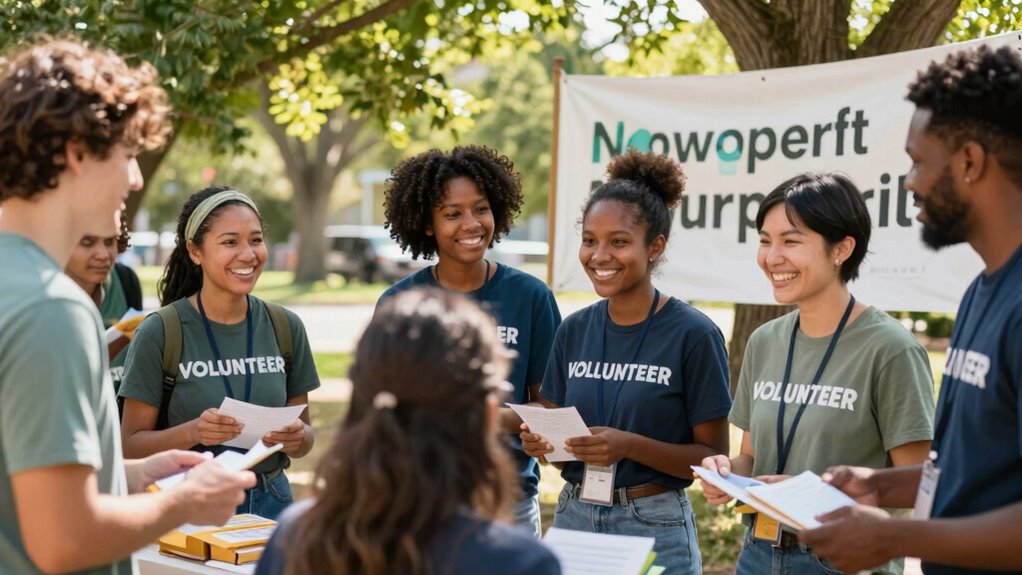
Volunteer engagement also boosts donor trust by illustrating your organization’s commitment to community involvement and transparency. When volunteers actively participate in your activities, it provides additional assurances that your organization is well-managed and authentic. Involving volunteers in storytelling or sharing their experiences can help demonstrate the real-world impact of your programs. Plus, volunteers often become ambassadors who advocate for your cause, further strengthening your credibility with donors. Showcasing your volunteer programs, including their successes and challenges, reinforces that your organization values transparency and community participation. Additionally, fostering open communication with volunteers can create trust and engagement, which resonates with donors and helps solidify your relationships. Incorporating community involvement into your initiatives demonstrates your commitment to authentic engagement and accountability. A focus on transparency in operations can further reassure donors that your organization prioritizes honesty and integrity.
Building trust isn’t just about sharing your successes; it’s also about acknowledging challenges and showing how you’re working to improve. When you communicate openly about setbacks and your strategies for overcoming them, donors see that you’re honest and committed to continuous growth. This openness fosters a sense of partnership, encouraging donors to invest more confidently in your future initiatives. Additionally, transparency and accountability are fundamental principles that underpin trustworthy nonprofit practices and reassure donors of your integrity.
Finally, remember that consistent, personalized communication is key. Keep your donors informed about your projects, successes, and ongoing needs. When you nurture these relationships through regular updates and genuine gratitude, you reinforce the trust they’ve placed in you. By leveraging corporate partnerships, engaging volunteers, and practicing transparency, you set a solid foundation that encourages donors to stay invested and willing to support you as you grow.
As an affiliate, we earn on qualifying purchases.
Frequently Asked Questions
How Can Nonprofits Measure Trust Effectively?
You can measure trust effectively by tracking donor engagement levels, such as response rates to communications and participation in events. Conduct regular surveys to assess credibility enhancement, asking donors how confident they feel about your organization’s transparency and impact. Analyzing feedback helps you understand trust levels and identify areas for improvement. Consistent engagement and positive responses indicate strong trust, showing your nonprofit’s efforts are successfully building credibility with donors.
What Are Common Trust-Building Mistakes to Avoid?
Avoid fundraising pitfalls like overpromising or appearing untransparent, which instantly erode trust. Steer clear of communication errors such as neglecting timely updates or sounding insincere—donors see right through that! Instead, be honest, consistent, and transparent about your impact. Don’t assume donors will fill in the gaps; keep them engaged with clear, genuine stories. Remember, building trust is about showing you value their support—not just asking for more.
How Long Does It Take to Build Donor Trust?
Building donor trust typically takes several months to a year, depending on your donor engagement efforts. You’ll nurture relationships consistently through transparent communication, showcasing your impact, and responding to donors’ concerns. By focusing on relationship nurturing and maintaining open, honest interactions, you create a foundation of trust. Keep in mind, trust isn’t built overnight—regular engagement and genuine transparency are key to strengthening these essential relationships over time.
Can Small Nonprofits Build Trust as Easily as Larger Ones?
Yes, small nonprofits can build trust just as easily as larger ones by focusing on genuine donor engagement and community involvement. You can foster trust by sharing transparent stories of your impact, listening to your supporters, and actively involving your community in decision-making. Personalized interactions and consistent communication show donors they’re valued, making it easier to develop strong relationships, no matter your organization’s size.
How Does Transparency Impact Donor Trust?
Transparency greatly boosts donor trust by fostering open communication and accountability. When you share clear, honest information about your nonprofit’s goals, challenges, and outcomes, donors feel more engaged and confident in your work. Transparency benefits not only build stronger relationships but also encourage continued donor engagement. By consistently demonstrating your commitment to honesty, you create a foundation of trust that makes donors more willing to support your mission long-term.
As an affiliate, we earn on qualifying purchases.
Conclusion
Building trust with your donors isn’t just important—it’s the secret sauce that turns one-time supporters into lifelong champions. When you’re transparent, consistent, and authentic, you create a bond stronger than steel. Remember, trust isn’t built overnight; it’s a steady climb that pays off in exponential support. So, keep showing up with honesty and passion. Before you know it, your donors will be more loyal than your favorite coffee shop’s morning rush!
As an affiliate, we earn on qualifying purchases.
corporate partnership recognition plaques
As an affiliate, we earn on qualifying purchases.
As an affiliate, we earn on qualifying purchases.
Columbus Day / Indigenous Peoples' Day Picks
long weekend sales
As an affiliate, we earn on qualifying purchases.