Obsessively analyzing every detail of your texts, like emojis, wording, or response times, can create unnecessary tension in your relationships. This habit often stems from fears of rejection or insecurity, leading you to interpret innocent messages as signs of disinterest or conflict. Overthinking these small cues heightens anxiety and can trigger unnecessary emotional reactions. By becoming aware of this pattern, you can learn to interpret messages with more clarity and reduce stress—so keep exploring how to break this cycle.
Key Takeaways
- Delayed responses are often perceived as disinterest, triggering insecurity and unnecessary tension.
- Overanalyzing message details like emojis or wording heightens anxiety and miscommunication.
- Automatic curt replies or avoidance escalate misunderstandings and emotional reactions.
- Relying solely on texting can cause misinterpretations rooted in past insecurities.
- Ignoring emotional triggers leads to reactive behaviors that create unnecessary conflict.
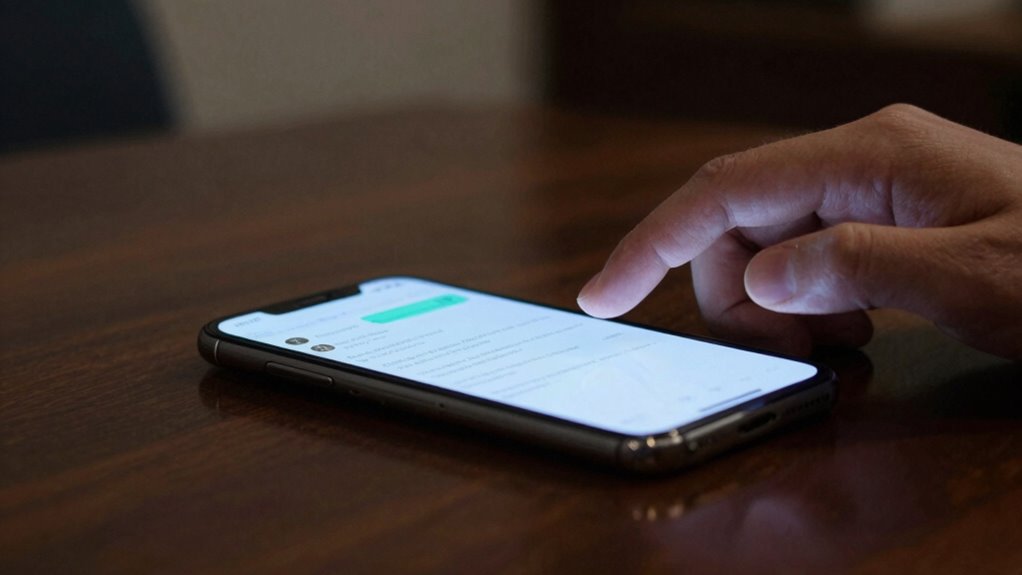
Have you ever noticed how the simple act of texting can create unexpected tension in your relationships? It’s often the small habits, like how and when you respond, that set off emotional triggers without you even realizing it. These triggers aren’t random; they stem from deeply ingrained communication patterns that shape how you connect with others. When you rely on texting as your main form of communication, these patterns can inadvertently lead to misunderstandings, creating unnecessary friction.
One common issue is the tendency to interpret delayed responses as signs of disinterest or annoyance. You might start to feel anxious or annoyed if someone doesn’t reply immediately, but that reaction often comes from emotional triggers rooted in past experiences or insecurities. Instead of giving the other person the benefit of the doubt, your mind may fill in the gaps with negative assumptions, fueling tension. This pattern can turn a simple delay into a perceived conflict, even when there’s no real issue.
Another problem is the way you sometimes respond to messages based on emotional triggers like jealousy, frustration, or feeling ignored. You might send a curt reply or avoid replying altogether, which can make the other person feel dismissed or unimportant. These reactions are often automatic, driven by underlying communication patterns that have been reinforced over time. When you’re feeling vulnerable or insecure, it’s easy to fall into habits that escalate tension instead of fostering understanding.
You might also fall into the trap of overanalyzing every word or emoji, trying to decode hidden meanings that aren’t there. This hyper-focus on the nuances of your text messages stems from a fear of miscommunication or rejection—emotional triggers that heighten your sensitivity to small cues. As a result, you may start to read into benign messages as signs of trouble, which fuels anxiety and conflict. Recognizing these communication patterns can help you develop healthier ways to interpret messages and reduce unnecessary stress.
Furthermore, understanding the role of emotional triggers in your reactions can empower you to respond more thoughtfully and avoid escalating tensions. To break this cycle, you need to become aware of your own communication patterns and emotional triggers. Recognize when you’re overreacting or jumping to conclusions based on past experiences. Instead of reacting impulsively, take a moment to pause and consider that your interpretation might be skewed by your emotions. Developing emotional awareness can be a powerful tool in managing your reactions and fostering more constructive conversations. Clearer, more intentional communication can help you avoid unnecessary tension. Understanding the impact of emotional triggers and how they influence your reactions is essential for healthier interactions. Remember, the way you respond to text messages often reflects deeper issues, so addressing those underlying emotional triggers can make a huge difference in how you connect with others—leading to healthier, less stressful interactions.
smartphone message stress relief book
As an affiliate, we earn on qualifying purchases.
As an affiliate, we earn on qualifying purchases.
Frequently Asked Questions
How Can I Recognize if My Texting Habits Cause Tension?
You can recognize if your texting habits cause tension by paying attention to nonverbal cues, like delayed responses or short replies, which might signal frustration or annoyance. Emotional awareness helps you notice if your messages seem cold or dismissive, possibly creating distance. If you notice these signs, it’s a good idea to reflect on your tone and timing to foster clearer, more positive communication, avoiding unnecessary tension.
Are There Specific Phrases That Trigger Misunderstandings?
Think of certain phrases as sparks that ignite misunderstandings. Phrases like “Are you upset?” or “Why didn’t you reply?” can trigger contextual misunderstandings and emotional misinterpretations, turning simple messages into misunderstandings. Avoid vague or accusatory language, and instead, ask clear, open-ended questions. This helps prevent tension, as your words won’t be misread, and your message stays grounded in understanding rather than assumptions.
How Long Should I Wait Before Replying to Avoid Tension?
You should aim for a timing awareness that balances promptness with patience, generally replying within a few hours. This shows you’re engaged without seeming overly enthusiastic or distant. Maintaining response consistency helps prevent misunderstandings or tension. If you’re busy, a quick acknowledgment that you’ll get back later keeps communication smooth. Ultimately, being mindful of your timing fosters trust and reduces unnecessary tension in your conversations.
Can Tone and Emoji Use Influence Perceived Tension?
Yes, tone calibration and emoji clarity can considerably influence perceived tension. When you choose emojis carefully, they clarify your intent and soften or enhance your tone, preventing misunderstandings. Without proper emoji use, messages might seem blunt or overly serious, creating unnecessary tension. So, consider how your emojis complement your words and aim for clear, friendly tone calibration to foster positive communication and reduce potential conflicts.
What Are Alternative Communication Methods to Reduce Tension?
You can reduce tension by opting for face-to-face interactions or phone calls, which allow you to pick up on non-verbal cues like facial expressions and tone. These methods help you better understand emotions and intentions, minimizing misunderstandings. When face-to-face isn’t possible, video chats also work well. By prioritizing these direct communication channels, you foster clearer, more empathetic conversations that lessen unnecessary tension.
relationship communication improvement tools
As an affiliate, we earn on qualifying purchases.
As an affiliate, we earn on qualifying purchases.
Conclusion
Breaking the habit of overthinking your responses can ease unnecessary tension. For example, imagine you waited hours to reply to a friend’s message, fearing you sounded dismissive. This delay might cause them to feel ignored or upset, even if that wasn’t your intention. By responding promptly and confidently, you build trust and reduce misunderstandings. Small changes in your texting habits can foster healthier communication, making your conversations more relaxed and genuine.
emotional trigger journal for couples
As an affiliate, we earn on qualifying purchases.
As an affiliate, we earn on qualifying purchases.
text message anxiety reduction app
As an affiliate, we earn on qualifying purchases.
As an affiliate, we earn on qualifying purchases.