
TL;DR

Get the little things that make your day delivered free with Prime
- Fast, free delivery on millions of items
- Prime Video, Amazon Music and more included
- Member-only deals all year
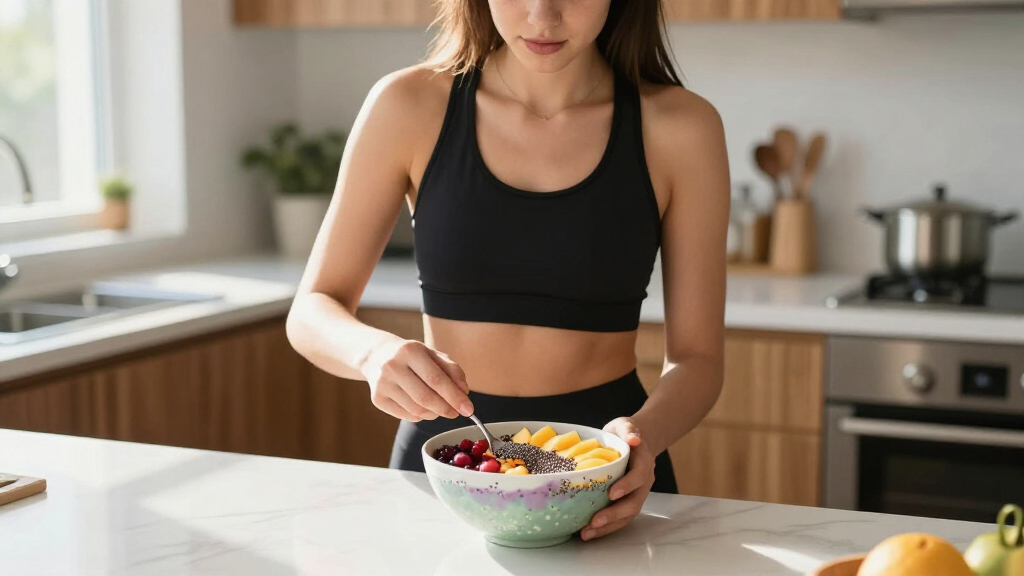
The trend of nutrient maxxing involves focusing on high nutrient intake, with some claiming it supports health while others see it as diet culture in disguise. Experts are divided on its benefits and risks.
Nutrient maxxing has become a popular trend among health-conscious individuals, aiming to maximize nutrient intake from foods and supplements. However, dietitians are divided on whether this practice genuinely promotes health or if it masks underlying diet culture tendencies. This debate is gaining traction as the trend spreads across social media and wellness communities.
The trend involves intentionally consuming high levels of specific nutrients, such as vitamins, minerals, and superfoods, often through supplements and carefully curated diets. Advocates claim that nutrient maxxing can optimize health, improve energy, and prevent deficiencies. Some dietitians, however, warn that it may lead to obsessive behaviors and nutritional imbalances, echoing patterns seen in diet culture.
According to registered dietitian Laura Simmons, ‘While focusing on nutrient-dense foods is generally positive, the obsession with maximizing nutrients can foster unhealthy fixation and neglect overall dietary balance.’ The trend has been amplified on platforms like TikTok and Instagram, where influencers showcase their nutrient-maxing routines.
Impacts of Nutrient Maxxing on Public Health Perspectives
This trend’s popularity raises concerns about whether it encourages healthier eating habits or promotes disordered eating patterns. As social media influences dietary behaviors, understanding its implications helps consumers make informed choices and avoid potential pitfalls associated with diet culture. The debate also highlights the importance of professional guidance in nutrition practices.Popular right now

Dreame H12 Pro Wet and Dry Vacuum Mop

Hisense 85 U7 Mini-LED ULED 4K UHD Smart Google TV (85U7SG, 2026)

Dyson Ball Animal 3 Upright Vacuum
As an affiliate, we earn on qualifying purchases.
Nutrient maxxing gained visibility in early 2024 through social media influencers sharing their routines of high nutrient intake. The trend echoes previous health fads that emphasize superfoods and supplementation but is distinguished by its focus on maximizing every nutrient possible. Nutrition experts have expressed concern about the trend’s potential to foster unrealistic health expectations and obsessive behaviors, especially among young audiences.
“While emphasizing nutrient-rich foods is beneficial, the obsession with maximizing nutrients can lead to disordered eating patterns and nutritional imbalances.”
— Dr. Emily Carter, Nutrition Scientist
Unconfirmed Long-term Effects and Professional Consensus
It is not yet clear whether nutrient maxxing leads to sustained health benefits or if it increases the risk of disordered eating. Scientific studies on the long-term impacts are still limited, and opinions among health professionals remain divided. Further research is needed to determine its safety and efficacy over time.Monitoring Trends and Professional Guidance Development
Health authorities and professional organizations are expected to monitor the trend’s growth and provide guidance on safe practices. Researchers may investigate the long-term health impacts, while social media platforms could implement measures to promote balanced messaging. Consumers are advised to consult qualified dietitians before adopting extreme nutrient-focused routines.Key Questions
Is nutrient maxxing safe for everyone?
Not necessarily. While focusing on nutrient-rich foods can be beneficial, excessive or obsessive behaviors may pose health risks, especially if done without professional guidance.
Can nutrient maxxing lead to disordered eating?
It can, particularly if the focus on maximizing nutrients becomes compulsive or restrictive, which are common traits in disordered eating patterns.
What should I consider before trying nutrient maxxing?
Consult a registered dietitian or healthcare professional to ensure your approach is balanced and tailored to your individual health needs.
Are there scientific studies supporting nutrient maxxing?
Currently, research on the long-term effects of nutrient maxxing is limited. Most evidence is anecdotal or based on short-term observations.
How can I distinguish between healthy habits and diet culture?
Healthy habits focus on balance, moderation, and individualized needs, while diet culture often promotes restriction, perfectionism, and obsession with appearance.
Source: rss