Taking periodic retreats allows you to step away from daily chaos and gain fresh perspectives. During these escapes, you can practice mindfulness, which calms your mind and helps process emotions more effectively. Retreats create a safe space for emotional healing, helping you confront lingering stress or pain. The tranquil environments foster lasting shifts in outlook and resilience, empowering you to live more authentically. Continue exploring how retreats can truly renew your spirit and transform your well-being.
Key Takeaways
- Regular retreats provide mental clarity, helping individuals reconnect with their inner selves and restore balance.
- They create a distraction-free environment that fosters mindfulness, reducing stress and emotional overwhelm.
- Retreats facilitate emotional healing by offering safe space for reflection, acceptance, and letting go of emotional burdens.
- The tranquil setting enhances self-awareness and resilience, promoting long-term emotional well-being.
- Periodic retreats support personal growth, empowering healthier responses to life’s challenges and cultivating authentic living.
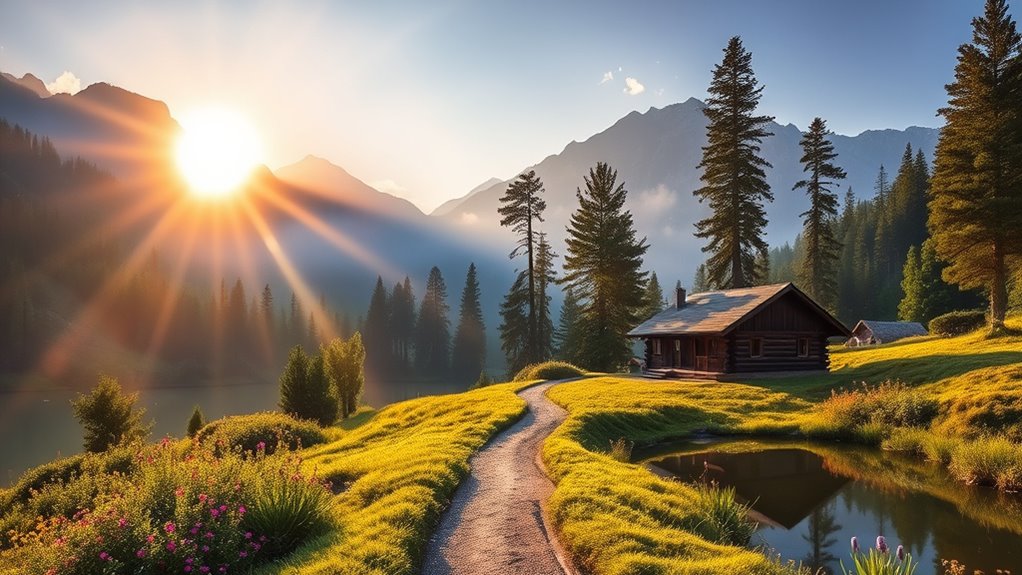
Sometimes, stepping away from the chaos of daily life can reveal new perspectives and restore your inner balance. A retreat offers that precious space to disconnect, reflect, and reconnect with yourself. During these moments, engaging in a mindfulness practice becomes especially powerful. By dedicating time to present-moment awareness, you can quiet the mental chatter that often overwhelms you. This focused attention helps you observe your thoughts and emotions without judgment, fostering a sense of calm and clarity. As you immerse yourself in mindfulness, you’re better equipped to process emotional wounds that might otherwise remain unhealed. Emotional healing takes center stage in a retreat, giving you the opportunity to confront lingering pain, anxiety, or stress. Freed from the distractions of everyday responsibilities, you can turn inward with honesty and compassion. This process isn’t about fixing yourself but about understanding your inner landscape more deeply. Through guided meditation, breathing exercises, or silent reflection, you create a safe space for release and renewal. As you gradually let go of emotional burdens, you’ll notice a lighter, more resilient version of yourself emerging. The retreat environment nurtures this healing by removing the triggers that often amplify stress—be it work pressures, social obligations, or digital overload. In this tranquil setting, your mind and body begin to recalibrate, allowing emotional wounds to surface and be addressed in a gentle, supportive way. Over time, this leads to profound shifts in your outlook and emotional well-being. The act of retreating isn’t just about escaping; it’s about engaging intentionally with your inner world. You learn to recognize patterns that contribute to emotional imbalance and develop healthier responses. Choosing a healthy breakfast can also support your physical well-being during this process, reinforcing the overall sense of renewal. The combination of mindfulness practice and emotional healing during a retreat creates a ripple effect—bringing greater self-awareness, compassion, and resilience into your everyday life. When you return from your retreat, you carry these insights with you, equipped to handle future challenges with a calmer mind and a more open heart. In this way, the power of retreat extends far beyond the physical space; it transforms your capacity to navigate life’s ups and downs with greater ease. Ultimately, taking time for yourself in a retreat isn’t a luxury—it’s a crucial act of self-care that renews your spirit and empowers you to live more authentically and peacefully.

Acurax 80-Gallon Outdoor Storage Bench, Waterproof Deck Box with Lockable Lid & Armrests for Patio, Garden, Pool, Black
Massive 80-Gallon Storage Capacity:Concealed beneath the comfortable seat is a cavernous storage compartment, perfect for stowing patio cushions,...
As an affiliate, we earn on qualifying purchases.
Frequently Asked Questions
How Often Should I Schedule a Personal Retreat?
You should schedule a personal retreat every three to six months, depending on your needs and life circumstances. Proper retreat planning helps you determine the ideal retreat frequency, ensuring you have enough time to reflect, recharge, and realign your goals. Regular retreats provide clarity and renewed energy, so listen to your intuition and adapt your retreat schedule accordingly. Consistency is key to maintaining balance and personal growth.
What Types of Retreats Are Most Beneficial for Mental Health?
Imagine a busy mind overwhelmed by daily stress—that’s when nature immersion and mindfulness practices become your sanctuary. The most beneficial retreats blend peaceful outdoor experiences with mindful meditation or breathing exercises, helping you reconnect and reset. These retreats foster mental clarity, reduce anxiety, and restore emotional balance. By immersing yourself in nature and practicing mindfulness, you give your mind the space it needs to heal, rejuvenate, and find renewed strength.
Can Retreats Help Improve Long-Term Emotional Resilience?
Yes, retreats can help improve your long-term emotional resilience. By engaging in mindfulness practices, you learn to stay present and manage stress better, while an emotional detox allows you to release negativity and regain clarity. Regularly participating in retreats gives you the tools to handle life’s challenges more effectively, strengthening your resilience over time. This ongoing process fosters a healthier, more balanced emotional outlook, empowering you to face future difficulties with confidence.
What Are Common Challenges Faced During a Retreat?
Like steering through choppy waters, you might face challenges during a retreat, such as group dynamics that cause friction or logistical planning that feels overwhelming. These hurdles test your patience and adaptability. You’ll need to communicate openly and stay flexible. Clear planning helps ease tensions, but remember, overcoming these obstacles is part of the journey to renewal. Embrace the discomfort, knowing it strengthens your retreat experience and personal growth.
How Do I Choose the Right Retreat for My Needs?
To choose the right retreat for your needs, start by identifying your goals—whether it’s mindfulness practices or seeking spiritual guidance. Research retreats that focus on these areas, and read reviews to gauge their effectiveness. Consider the location, duration, and facilitator’s expertise. Trust your intuition to select a place where you feel comfortable and inspired, ensuring it aligns with your personal growth and renewal journey.
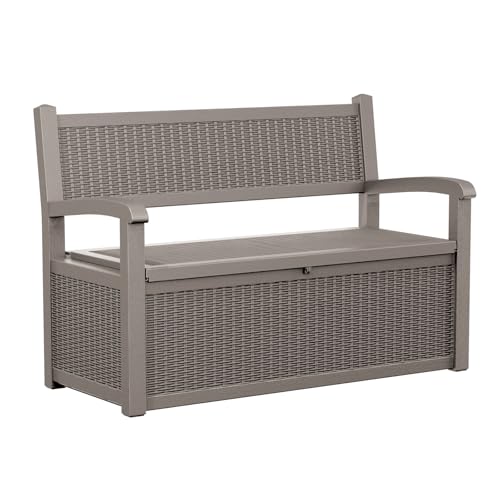
DRATO 75 Gallon Storage Bench Deck Box Outdoor Indoor,Lockable Durable All-Weather Seating with Hidden Storage,Deck Storage for Garden, Pool, Patio,Gray
【Durable Resin Construction】: Crafted from high-quality resin material, this deck box offers long-lasting strength and resistance to outdoor...
As an affiliate, we earn on qualifying purchases.
Conclusion
So, don’t wait too long to embrace the healing power of retreat. Think of it as hitting the reset button on your soul, clearing away life’s clutter so your true self can shine through. Just like a garden needs tending, your spirit needs these moments of pause to blossom fully. Make retreat a regular part of your routine, and watch how it helps you grow stronger, calmer, and more centered—like a tree standing tall through any storm.

Suncast Outdoor Storage Bench - 50 Gallon Taupe Resin Outdoor Bench with Storage for Cushions, Tools & More. All-Weather Patio Deck Box with Seat for Porch, Pool, Yard, & Garden, Made in USA
DUAL FUNCTIONALITY WITH STYLE. Enjoy 50 gallons of hidden storage plus extra seating with this all-weather storage bench...
As an affiliate, we earn on qualifying purchases.

Tangkula 46 Gallon Outdoor Bench with Storage, Outdoor PE Rattan Storage Bench with Cushion, Backrest & Acacia Wood Armrests, Metal Frame, Waterproof Deck Box Seat for Porch Backyard Poolside
Perfect Storage Solution: Offering a generous 46-gallon capacity, this outdoor storage bench is ideal for storing patio cushions,...
As an affiliate, we earn on qualifying purchases.