

When you’re facing difficult emotions, practicing self-compassion helps you respond with kindness rather than judgment. Stay present with your feelings and recognize their natural, temporary nature. Offer yourself understanding and patience, just like you would a close friend, which builds emotional resilience. Incorporate simple mindfulness exercises, like focused breathing, into your daily routine. Continuing to explore these techniques can strengthen your ability to handle challenging emotions with grace and self-compassion.
Key Takeaways
- Practice mindfulness to observe your emotions without judgment, creating space for a compassionate response.
- Recognize that difficult emotions are temporary and part of a natural human experience.
- Offer yourself kindness and understanding, treating yourself with the same compassion you’d extend to a friend.
- Use gentle breathing and body scans to stay present and reduce emotional overwhelm.
- Cultivate resilience by accepting feelings and maintaining patience and kindness toward yourself during emotional challenges.

When you’re overwhelmed by difficult emotions, it’s easy to feel like you need to push through or suppress them. But instead of battling against these feelings, consider adopting a mindful approach. A mindfulness practice helps you stay present with your emotions without judgment, giving you space to observe what you’re experiencing instead of reacting impulsively. By doing so, you build emotional resilience—the capacity to bounce back from emotional setbacks and handle stress more effectively. When you acknowledge your feelings with curiosity rather than criticism, you create a foundation for self-compassion, which is essential in steering through tough times.
Practicing mindfulness allows you to recognize emotions as natural parts of the human experience. When distressing thoughts or feelings arise, instead of trying to avoid or suppress them, meet them with gentle awareness. Notice how your body feels, what thoughts are running through your mind, and the sensations associated with your emotions. This process helps you detach from a reactive mindset and creates a clearer understanding of your emotional landscape. Over time, this awareness cultivates emotional resilience, enabling you to respond thoughtfully rather than react impulsively. You learn that emotions are temporary, not permanent states to be feared or fought against.
Meet your emotions with gentle awareness to build resilience and understanding.
Self-compassion plays a vital role in this process. When you’re kind to yourself during emotional upheavals, you acknowledge your pain without self-criticism. Instead of berating yourself for feeling upset or overwhelmed, you offer understanding and support—just as you would to a close friend. This gentle approach reduces shame and self-blame, encouraging a healthier relationship with your feelings. It’s important to remember that experiencing difficult emotions doesn’t mean you’re weak; it means you’re human. By treating yourself with kindness, you reinforce your emotional resilience and create a safe mental space where healing can begin.
In addition, understanding the concept of emotional resilience can further empower you to navigate challenging feelings effectively. Integrating mindfulness into your daily routine strengthens your capacity for self-compassion and emotional resilience. Even a few minutes of focused breathing or body scan exercises can make a significant difference. Over time, these practices help you develop a more accepting attitude toward your feelings, making it easier to handle emotional distress without becoming overwhelmed. When you approach your emotions with patience and kindness, you foster a resilient mindset that enables you to face challenges with steadiness and grace. Handling difficult emotions then becomes less about fighting against them and more about understanding and embracing them as part of your journey toward well-being.

SigMntun Healing Crystals in Jars 16 PCS, Christmas Gift for Women, Polished Crystal Chips, Trinkets and Gem Stones Set for Witchcraft Supplies, Mini Gemstones, Beginner Crystal Kit
[Great Gift Idea – Crystals in a Beautiful Gift Box] This gemstone set includes 16 mini jars filled...
As an affiliate, we earn on qualifying purchases.
Frequently Asked Questions
Can Self-Compassion Reduce the Intensity of Difficult Emotions?
Yes, self-compassion can reduce the intensity of difficult emotions. When you practice emotional awareness, you acknowledge your feelings without judgment, which helps prevent compassion fatigue. By treating yourself with kindness and understanding, you’re less likely to become overwhelmed or overwhelmed by negative emotions. This gentle approach allows you to process emotions more effectively, easing their impact and fostering resilience over time.
How Do I Practice Self-Compassion During Emotional Crises?
During emotional crises, you can practice self-compassion by embracing mindful acceptance, acknowledging your feelings without judgment. Use compassionate self-talk to soothe yourself, reminding your inner voice to be gentle and understanding. Take deep breaths, ground yourself in the present, and avoid self-criticism. This approach helps you manage intense emotions more effectively, fostering resilience and self-kindness in challenging moments.
Are There Specific Techniques to Cultivate Self-Compassion?
You can cultivate self-compassion through mindfulness exercises, which help you stay present and acknowledge your feelings without judgment. Additionally, compassionate journaling allows you to express your emotions openly and practice kindness toward yourself. By regularly engaging in these techniques, you foster a gentle attitude toward your struggles, making it easier to respond with understanding and care during difficult times.
How Does Self-Compassion Differ From Self-Indulgence?
Self-compassion differs from self-indulgence because it involves maintaining boundaries and practicing genuine self-care, rather than giving in to fleeting temptations or avoiding discomfort. While self-indulgence often stems from myths about instant gratification, self-compassion encourages understanding your emotions and setting healthy limits. You nurture yourself thoughtfully, recognizing your needs without crossing boundaries, which promotes long-term well-being instead of temporary relief.
Can Self-Compassion Improve Long-Term Emotional Resilience?
While it might seem counterintuitive, self-compassion can boost your long-term emotional resilience. By cultivating emotional awareness and practicing kindness during tough times, you build a stronger inner foundation. Instead of ignoring or criticizing yourself, you learn to treat setbacks with understanding. Over time, these kindness practices help you develop better coping skills, making you more resilient to future challenges and fostering a healthier, more balanced emotional outlook.

Crystals and Healing Stones Premium Kit Wooden Box - Chakra Stones Healing Crystals Set, Rose Quartz, Amethyst Cluster, Quartz Points, Chakra Pendulum (A Essential Chakra Collection)
NATURAL CRYSTALS AND HEALING STONES KIT – The Essential Healing Crystal Sets Gemstones is the best value for...
As an affiliate, we earn on qualifying purchases.
Conclusion
Remember, everyone faces tough emotions at times—it’s a coincidence that you’re reading this now, just when you might need it most. By practicing self-compassion, you create a safe space for yourself to heal and grow. When you’re kind to yourself during difficult moments, you realize you’re not alone in this journey. Embrace these feelings with gentle understanding, and trust that, like a coincidence, healing can happen when you least expect it.

Crystals and Healing Stones Set 31Pcs - Healing Crystals & Stones - 14 Real Raw Chakra Rocks, 7 Gemstones Bottles, 3 Essential Oils,Pendant Necklace, Pendulum Board, Amethyst Cluster, Bracelet & Guide
𝐀𝐋𝐋-𝐈𝐍-𝟏 – 14 authentic stones of 1-1.5 inch, 7 small gemstone bottles of 0.87x1.57 inch, 3 essential oils,...
As an affiliate, we earn on qualifying purchases.
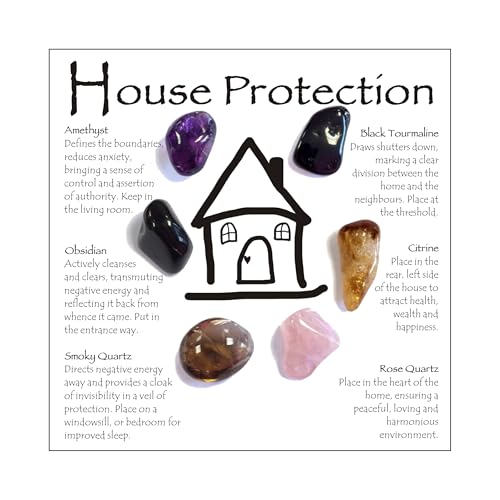
House Protection Crystal Set – Home Protection Crystals for Negative Energy Removal, EMF Cleansing & Spiritual Blessing – New Home Gift, Housewarming Kit, Healing Stones
New Home Gift for Friends -- Want to cleanse and protect your home while inviting positivity and harmony?...
As an affiliate, we earn on qualifying purchases.