

To teach children empathy through everyday activities, involve them in meaningful conversations during mealtime, encourage reflection with emotional stories, and use role-playing to explore feelings. Engage in volunteering together to develop compassion, practice gratitude daily, and teach respectful listening. These activities foster emotional awareness, patience, and kindness. By consistently incorporating these simple practices, you create opportunities for your child’s emotional growth; keep exploring for more ways to nurture empathy effectively.
Key Takeaways
- Use stories and reflection to help children recognize and discuss different emotions, fostering empathy and emotional awareness.
- Model respectful communication and active listening during daily interactions to teach patience and understanding.
- Incorporate role-playing and pretend play with animals or scenarios to develop empathy through imaginative experiences.
- Engage children in community service and group activities to promote kindness, shared humanity, and cultural understanding.
- Encourage gratitude practices like journaling and thank-you notes to build appreciation and empathetic attitudes.
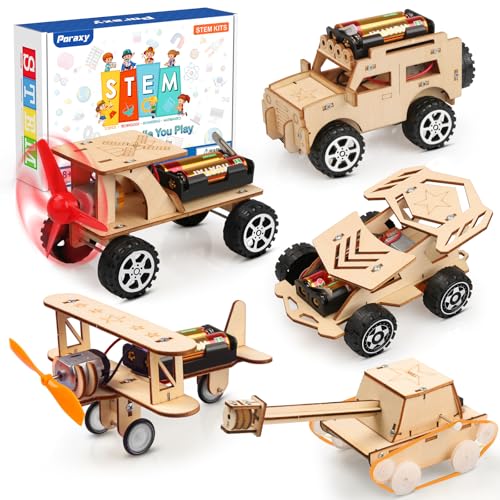
Poraxy 5 in 1 STEM Kits for Kids Age 8-10, Science Building Project Craft for 8-13, Model Car Kit, STEM Toys for Boys Girls Age 8-12, Wooden 3D Puzzles, Birthday Gifts for 6 7 8 9 10 11 12 13 Year Old
5 different kinds of model cars in one kit: This STEM kits for kids age 8-10 comes with...
As an affiliate, we earn on qualifying purchases.
Engaging in Shared Mealtime Conversations

Sharing mealtime conversations provides a natural opportunity to teach children empathy. During family meals, you can model good family meal manners, like listening attentively and speaking kindly. Encourage your child to take conversational turns, which helps them understand patience and respect for others’ opinions. When everyone shares their day or thoughts, you start fostering a sense of connection and understanding. Ask open-ended questions to invite your child to express themselves and listen actively. This practice not only improves their communication skills but also nurtures empathy by helping them see things from others’ perspectives. Recognizing and addressing narcissistic traits during conversations can further support their emotional development. Consistently practicing conversational turn taking and good manners at mealtime creates a safe space for your child to develop emotional awareness and caring behaviors naturally. Additionally, promoting trust-building activities can strengthen your child’s ability to connect and empathize with others over time. Incorporating appropriate feedback during conversations can also help children understand the impact of their words and develop greater emotional sensitivity. Being aware of emotional cues in your child’s responses can further enhance their ability to interpret others’ feelings accurately.

Yutin 5 Individual STEM Science Kits for Kids, Wood Arts and Craft Kits, STEM Toys for Boys Girls Age 8-12 8 10 12 13 14 Birthday Gift Idea, 3D Puzzles Building Engineering Model Set
5 IN 1 STEM KITS: Designed by the theme of amusement parks with fond memories of childhood. The...
As an affiliate, we earn on qualifying purchases.
Reading Stories That Explore Emotions
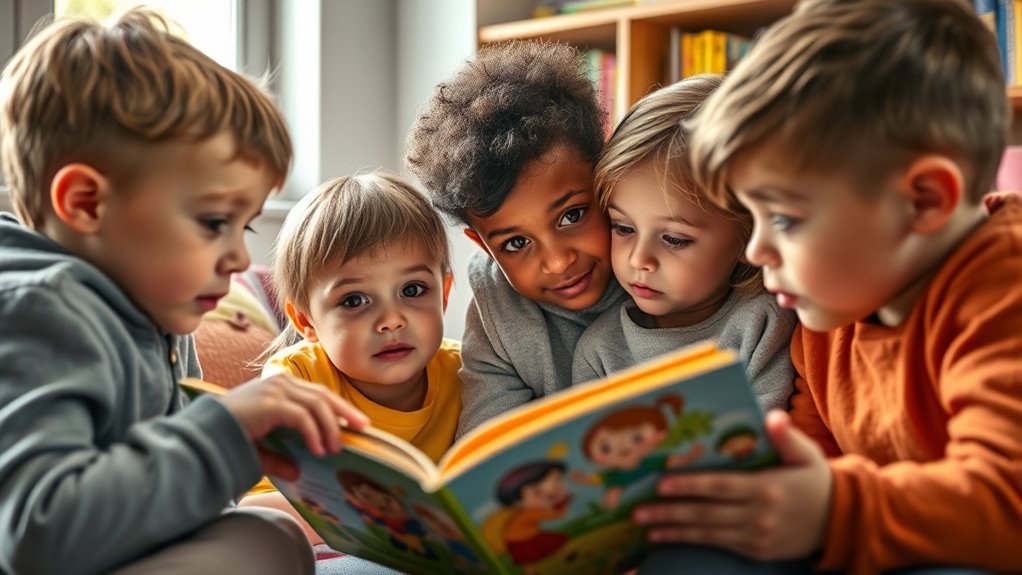
Have you ever wondered how stories can help children understand their own and others’ emotions? Reading stories that explore emotions offers a powerful way to develop emotion recognition skills. When children see characters experiencing happiness, sadness, anger, or fear, they learn to identify these feelings in themselves and others. As you read together, pause to discuss how characters might feel and why. This encourages empathy exercises, helping children put themselves in others’ shoes. Choosing books with diverse emotional situations broadens their understanding and fosters emotional intelligence. Regularly engaging in these conversations nurtures compassion and self-awareness. Additionally, understanding recurring dreams and their symbolism can help children interpret their own emotional experiences through stories. Exploring different cultural narratives can further deepen their empathy for people from various backgrounds. Recognizing emotional expressions through stories can also enhance their ability to read nonverbal cues, enriching their social skills. Developing an awareness of dream symbols may provide children with insights into their subconscious feelings and fears, fostering emotional growth. Ultimately, reading stories that explore emotions provides a natural, engaging way to teach children empathy through everyday activities.

STEM Kits for Kids Crafts 6-8 8-12, Boys Gifts Toys for 6 7 8 Year Old Boy Birthday Gift Ideas, STEM Toys Crafts 6+ 7+ yr, Robotics Science Kits Activities Robot Building Age 8-10 9 10 11 12 13 14
5 SETS STEM KIT: These science kits contain a solar powered car, a wind powered car, an obstacle...
As an affiliate, we earn on qualifying purchases.
Role-Playing Through Play and Activities
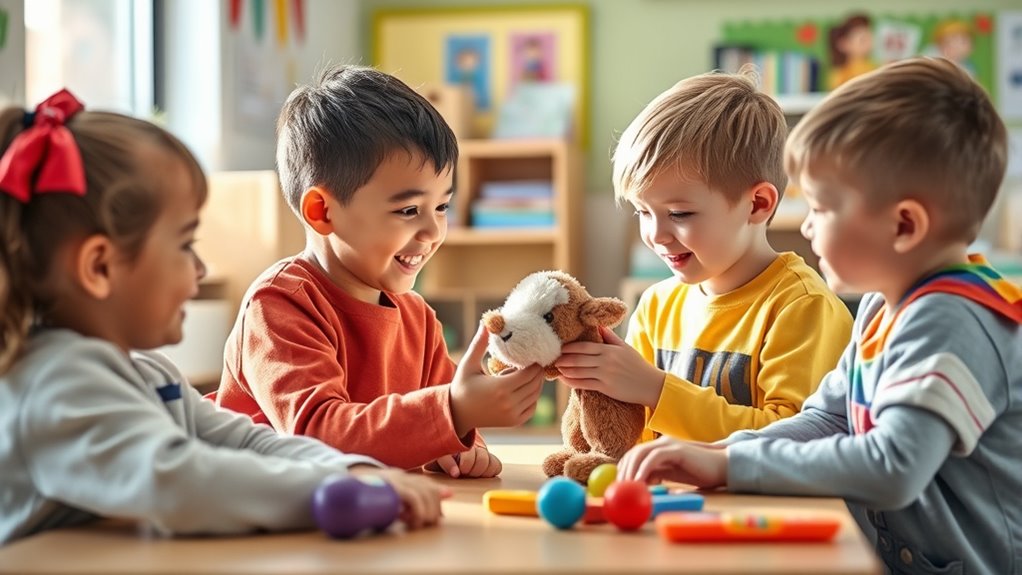
After exploring emotions through stories, you can help children deepen their understanding by encouraging role-playing activities. Using fantasy scenarios and animal characters, children can step into different roles, fostering empathy as they imagine others’ feelings. For example, set up a pretend jungle or farm where kids act out scenarios involving animals facing challenges or helping each other. This dynamic play allows children to see the world from different perspectives and practice kindness. As they navigate these imaginative situations, they develop a stronger sense of empathy and social awareness. Incorporating emotional development into play activities can further enhance their empathy skills and support holistic growth. Engaging in these activities supports their emotional growth while making learning fun. Including role-playing as a teaching tool can make abstract feelings more tangible, helping children connect emotionally with characters they create or emulate. Additionally, incorporating industry trends in play-based learning can introduce new ideas and techniques that make the activities more engaging and effective.

STEM Science Kits for Kids Ages 8-12 8-10, Wood Building Crafts Kits for Boys, STEM Toys for Ages 8-13 9 10 11 Year Old Gifts, Kids Science Engineering Experiment Projects, 3D Wooden Puzzles 10-12
STEM KITS FOR KIDS: This STEM kits for kids age 8-10 10-12 contain 5 different science experiment model...
As an affiliate, we earn on qualifying purchases.
Volunteering and Community Service Together
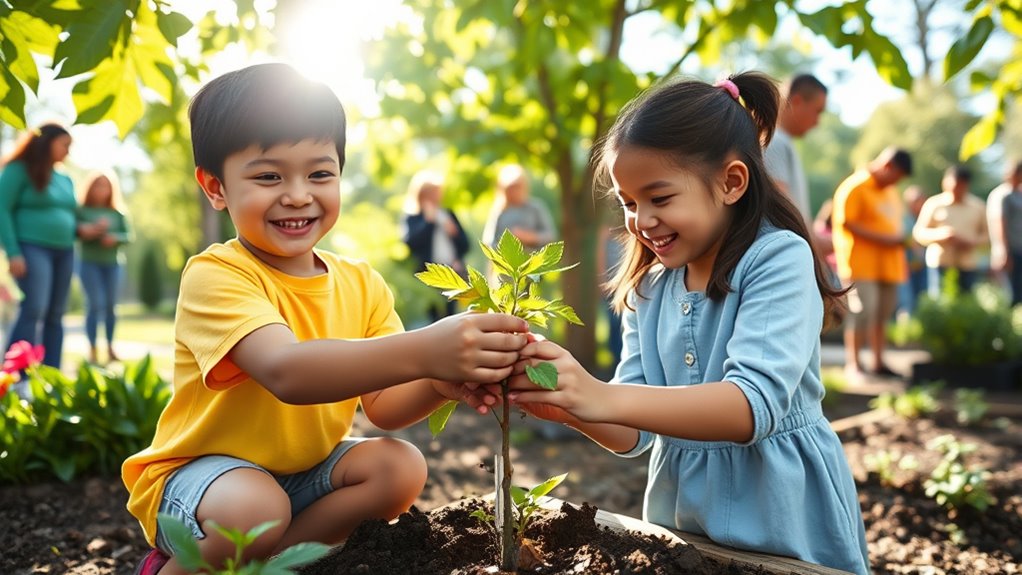
Engaging children in volunteering and community service offers a powerful way to foster empathy by helping them connect with others’ needs and experiences. When you encourage kids to share personal stories during service projects, they gain insight into different perspectives and struggles. Discussing cultural differences while volunteering broadens their understanding of diverse backgrounds, promoting acceptance. These activities teach children to listen actively, recognize shared humanity, and develop compassion. By working together in community efforts, they learn that small acts can make a meaningful impact. This shared experience not only deepens their empathy but also builds a sense of responsibility and kindness. Incorporating social-emotional learning strategies into these activities can further enhance their ability to understand and manage emotions. Additionally, reflecting on these experiences helps children internalize lessons about empathy and develop emotional intelligence, which is essential for their overall social development. Understanding the importance of community involvement can motivate children to participate more actively and see the value in collective efforts. Furthermore, integrating digital tools can facilitate communication and collaboration during community projects, making them more engaging for children. Ultimately, volunteering becomes a practical, everyday way for children to practice empathy in real-world settings.
Practicing Gratitude and Appreciation

Encouraging your child to keep a gratitude journal helps them recognize the good in everyday life. Practicing thank you notes teaches them to express appreciation sincerely. Noticing acts of kindness around them fosters a mindset of gratitude and empathy. Incorporating community support features from resources like apps or group activities can further enhance their understanding of kindness and connection. Educating children about empathy development through shared experiences promotes compassion and emotional awareness. Additionally, exploring animated movies that touch hearts can provide meaningful stories that evoke empathy and understanding. Engaging with tea accessories and merchandise designed for children, such as colorful cups or themed storage can make the practice of gratitude more engaging and relatable for young learners.
Gratitude Journaling Habits
Practicing gratitude through journaling helps children recognize and appreciate the positive aspects of their lives. By engaging in mindful reflection, they become more aware of what brings them joy and comfort. Encourage your child to set aside a few minutes each day to write about things they are thankful for, fostering a routine of daily gratitude. This habit helps them focus on the good, even during challenging times, and promotes a positive outlook. As they develop their journaling skills, they learn to notice small acts of kindness and moments of happiness, strengthening their empathy for others. Understanding copyright and trademark differences can also teach children the importance of respecting others’ creations and brands, fostering integrity. Consistent practice builds a habit of appreciation that extends beyond the page, nurturing a compassionate and grateful mindset that benefits their emotional development.
Thank You Notes Practice
Writing thank you notes is a simple yet powerful way to teach children gratitude and appreciation. When you encourage them to write thank you notes, you’re helping them recognize appreciation gestures and understand how kindness impacts others. Show your child how to express genuine thanks by mentioning specific acts or gifts. Keep the process fun by providing colorful stationery or encouraging creativity. Remind them that thank you notes are more than just good manners—they’re a way to acknowledge others’ thoughtfulness. As they practice this habit, they’ll develop a deeper sense of gratitude and empathy for those around them. Over time, writing thank you notes becomes a meaningful routine that reinforces the importance of appreciation in everyday life.
Recognizing Everyday Kindness
After teaching children to write thank you notes, it’s important to help them notice everyday acts of kindness around them. You can share compliment strategies that encourage children to express gratitude, making kindness more visible. Recognizing non-verbal cues, like a smile or a kind gesture, helps children see kindness beyond words. By practicing gratitude in daily moments, children learn to appreciate others’ efforts and foster empathy.
Some ways to do this include:
- Noticing when someone shares a smile or offers a kind look
- Praising acts like holding the door open
- Acknowledging when someone helps without asking
- Sharing stories of recent kindness they observed
- Encouraging children to thank others for small gestures
These steps deepen their understanding of kindness, making empathy a natural part of daily life.
Encouraging Active Listening and Respectful Dialogue
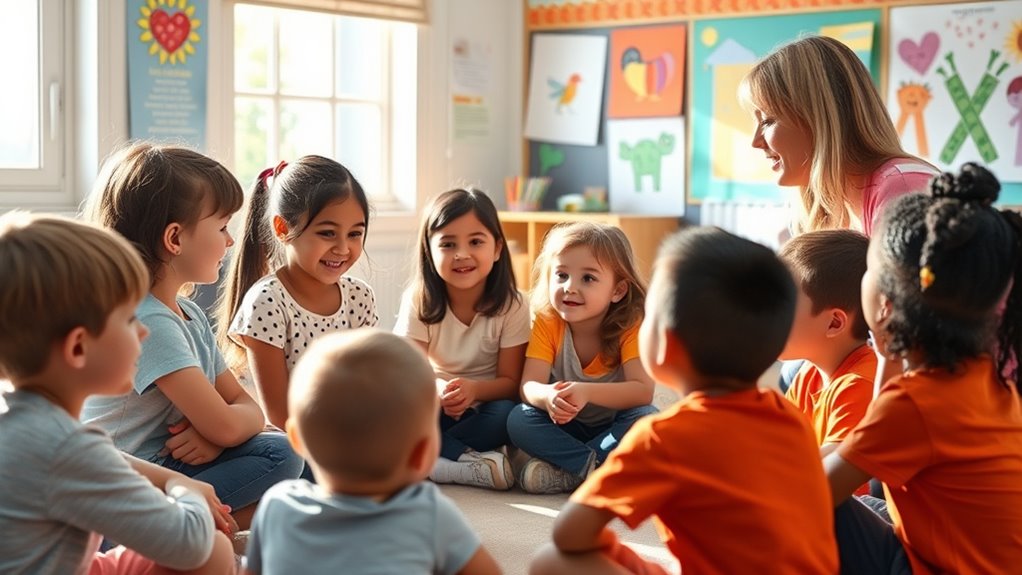
To foster empathy in children, encouraging active listening and respectful dialogue is essential. When you listen, show you’re engaged by mirroring emotions—reflect their feelings to validate their experience. This helps children understand others’ perspectives. Ask open-ended questions like, “How did that make you feel?” to encourage deeper conversation and critical thinking. Teach children to pause before responding, ensuring they fully understand what’s being shared. Remind them to maintain eye contact and avoid interrupting, which shows respect. By modeling these behaviors yourself, you set a strong example. Over time, children learn that active listening isn’t just about hearing words but genuinely understanding and respecting others’ feelings, fostering empathy and stronger connections.
Frequently Asked Questions
How Can Parents Model Empathetic Behavior Effectively?
To effectively model empathetic behavior, you should focus on role modeling and emotional coaching. Show your child how to listen actively, express understanding, and validate feelings. When you encounter conflicts or emotions, demonstrate empathy by calmly addressing the situation and discussing your feelings openly. Your consistent actions teach your child how to respond empathetically, making your behavior a powerful example for them to follow in everyday life.
What Age Is Best to Start Teaching Empathy to Children?
Imagine planting a seed in fertile soil; that’s how you start teaching empathy. You can introduce age-appropriate activities as early as infancy, where simple gestures like cuddling or sharing toys build empathy milestones. By toddlerhood, children begin understanding others’ feelings through stories and role-playing. The key is to tailor activities to their developmental stage, nurturing empathy gradually, so it grows naturally as they develop emotionally.
How to Handle a Child’S Lack of Empathy?
When handling a child’s lack of empathy, you should focus on fostering empathy development and emotional awareness. Encourage them to express their feelings and listen to others. Use real-life situations to teach understanding and compassion. Be patient and consistent, offering guidance and positive reinforcement. Remember, children learn empathy through your example, so model empathetic behavior regularly. This approach helps them develop emotional awareness and build stronger social skills.
Are There Cultural Differences in Teaching Empathy?
Think of empathy as a garden that grows differently in every climate. Cultural perceptions shape how you teach empathy, influencing what behaviors are valued and encouraged. You can adapt your approach to fit these cultural nuances, fostering empathy development in a way that resonates locally. Recognizing these differences helps you nurture understanding and compassion, ensuring your child learns empathy in a manner that respects their cultural environment and broadens their worldview.
How Can Technology Be Used to Foster Empathy?
You can use technology to foster empathy by engaging children with digital storytelling, which helps them understand diverse perspectives through compelling narratives. Virtual reality simulations offer immersive experiences that allow kids to see the world from others’ viewpoints, increasing compassion. By incorporating these tools into learning, you encourage emotional development and understanding, making it easier for children to connect with others’ feelings and experiences in a meaningful way.
Conclusion
By weaving empathy into your daily routines, you gently guide your child to understand others better. Sharing stories, mealtime chats, or small acts of kindness become natural moments for growth. Remember, it’s not about perfect moments but about creating a warm, understanding environment. With patience and love, you’ll help your child develop a kind heart and a thoughtful mind—building a foundation that shines brightly in their future interactions.