

To establish family boundaries without drama, start by recognizing your limits and understanding your emotional triggers. Communicate these limits clearly and respectfully using “I” statements, and remain consistent. When family members test boundaries, stay calm and practice emotional regulation techniques like deep breathing. Adjust boundaries as needed and handle pushback with empathy. If you’re curious about specific strategies and how to maintain balance, you’ll discover practical tips to foster respectful, drama-free relationships.
Key Takeaways
- Clearly define and communicate specific personal boundaries to prevent misunderstandings and reduce conflicts.
- Use respectful, honest communication and “I” statements to express limits calmly and effectively.
- Recognize and manage emotional triggers to maintain emotional regulation during boundary discussions.
- Stay consistent and firm when boundaries are tested, reinforcing them with calm, clear responses.
- Practice boundary flexibility and regular reevaluation to adapt to changing circumstances and nurture healthy relationships.

Setting Boundaries With Family: A Practical Guide to Overcoming Guilt, Saying No, and Protecting Your Peace
As an affiliate, we earn on qualifying purchases.
As an affiliate, we earn on qualifying purchases.
Recognize Your Family Limits Before Setting Boundaries

Before you set boundaries with your family, it’s essential to understand your own limits. Your family history shapes your patterns and responses, influencing how you react to certain situations. Reflect on past experiences to identify emotional triggers that cause stress or discomfort. Recognizing these triggers helps you understand what boundaries are necessary to protect your well-being. For example, if certain topics lead to conflict or feelings of neglect, you can set clear limits around those conversations. Knowing your limits isn’t about avoiding family entirely; it’s about safeguarding your mental health and creating a foundation for healthier interactions. Additionally, understanding your emotional responses can help you anticipate reactions and communicate boundaries more effectively. When you clearly understand your boundaries, you’re better prepared to communicate them effectively and respectfully. Incorporating traditional practices that promote mental clarity and emotional balance can further support your boundary-setting process. Developing healthy communication skills can also empower you to express your needs without escalating tensions. Recognizing your family dynamics can assist in navigating complex relationships and establishing appropriate boundaries, especially when considering how body piercings might be used as a form of personal expression within your boundaries.

The Calm Ball – Therapist-Designed Coping Skills Magic 8 Ball with 20 Calming Strategies & Guidebook – Emotional Regulation Tool & Mental Health Gift for Teens, Adults, Therapists & Classrooms
🎱 Fun and Engaging Therapist-Designed Tool: The Calm Ball is an innovative spin on a classic toy, resulting…
As an affiliate, we earn on qualifying purchases.
As an affiliate, we earn on qualifying purchases.
Why Boundaries Are Key to Healthy Family Relationships

Establishing boundaries is essential because they create a clear framework for respect and understanding within your family. When you set boundaries, you acknowledge generational differences, helping family members appreciate diverse perspectives and reduce conflicts. Boundaries also clarify cultural expectations, ensuring everyone knows what’s acceptable and what’s not, which promotes harmony. Without boundaries, misunderstandings and resentment can build, leading to family drama. By defining these limits, you foster mutual respect and trust. Boundaries encourage open dialogue about needs and feelings, making relationships healthier and more resilient. They help prevent overstepping and allow family members to maintain their individuality while staying connected. Additionally, understanding how to set effective boundaries can prevent misunderstandings related to home theatre projector technology or setup. Clear boundaries around technology use can prevent conflicts and ensure everyone’s needs are met. Recognizing and respecting personal space is also vital in maintaining a balanced family environment. Incorporating professional services to facilitate family discussions or mediate conflicts can further strengthen relationships. When boundaries are well established, they contribute to a more calm and organized home, reducing stress for everyone involved. Ultimately, boundaries are the foundation for balanced, respectful, and supportive family relationships.

Social Skills Training: for Children & Adolescents with Autism & Social-Communication Differences
As an affiliate, we earn on qualifying purchases.
As an affiliate, we earn on qualifying purchases.
How to Communicate Your Family Boundaries Clearly

Clear communication is essential when sharing your family boundaries, as it guarantees everyone understands your needs and limits. To do this effectively, focus on honest family communication and emotional expression. Use “I” statements to explain how certain behaviors affect you, avoiding blame. Be specific about what’s acceptable and what’s not, so your message isn’t misunderstood. Maintain a calm tone and choose a good time to talk, ensuring your family feels safe to listen. Encourage questions to clarify any confusion. Remember, expressing your feelings honestly helps your family see where you’re coming from, making it easier for them to respect your boundaries. Being aware of family boundaries can help prevent misunderstandings and reduce family drama. Recognizing support breakfast options, like cozy accommodations or local favorites, can also create a more comfortable environment when discussing sensitive topics. Incorporating effective communication strategies into your conversations can further strengthen understanding and respect. Using plain language to explain your boundaries ensures your message is clear and accessible, which is especially important if your family isn’t familiar with wellness or communication concepts. Additionally, practicing load calculations for household energy can provide insight into setting boundaries around shared resources, fostering mutual respect. The goal is to create a dialogue that’s open, respectful, and clear, reducing misunderstandings and family drama.
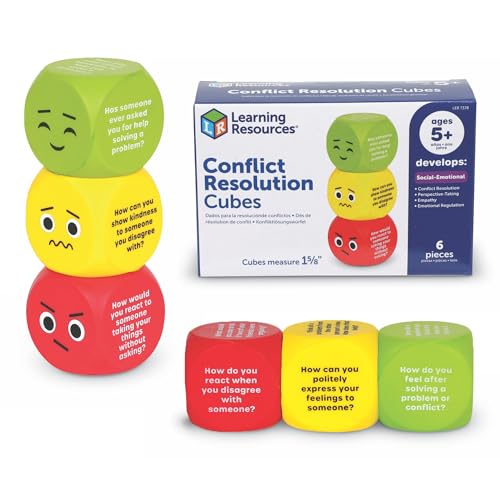
Learning Resources Conflict Resolution Cubes – Conversation Starter Cubes, Therapy Games for Kids, Social Skills Cards, Social Emotional Learning Games, Table Questions for Family Dinner
LEARNING CONVERSATION CUBES: Kids roll colorful cubes and explore 30 prompts while building communication skills; perfect for conversation…
As an affiliate, we earn on qualifying purchases.
As an affiliate, we earn on qualifying purchases.
Practical Ways to Enforce Boundaries Respectfully

Enforcing boundaries respectfully involves taking consistent and considerate actions that reinforce your limits without causing conflict. Use respectful language to communicate your needs clearly and calmly. When someone pushes or tests your boundaries, practice active listening by truly understanding their perspective before responding. This approach aligns with the importance of effective communication in boundary enforcement. This shows you respect their feelings while standing firm on your limits. Be direct but gentle, avoiding blame or judgment. If a boundary is crossed, calmly restate it and explain why it’s important to you. Consistency is key; reinforce your boundaries regularly so others know what to expect. Setting clear boundaries helps prevent misunderstandings and promotes mutual respect. Establishing a backyard transformation that reflects your limits and preferences can also contribute to a sense of personal space and comfort. Remember, respectful enforcement isn’t about control but about fostering mutual understanding. By communicating with respect and listening actively, you create a safe space for everyone to feel heard and respected.
Handling Family Pushback Without Losing Your Cool

When family pushes back, it’s important to stay calm and keep your composure. Setting clear limits helps others understand your boundaries, while empathetic listening shows you respect their feelings. This approach helps you handle resistance without losing your cool or escalating the situation. Being aware of zodiac traits can also provide insight into family members’ reactions and help you respond more effectively.
Stay Calm and Composed
Even with the best intentions, family pushback can be challenging to handle without losing your composure. Maintaining emotional resilience is key, and staying mindful of your breathing helps you stay centered. When tensions rise, pause briefly and take slow, deep breaths to calm your nerves. This mindfulness practice keeps you grounded and prevents emotional reactions. Remember, your goal is to stay calm and composed, not to escalate the situation. Practicing simplify your decisions can help you respond more thoughtfully instead of reacting impulsively. Incorporating emotional regulation techniques can further assist in managing stress during difficult conversations. Developing stress management strategies is essential for maintaining your emotional balance in challenging moments. Using breathing techniques can significantly reduce immediate stress and improve your ability to respond calmly. – Practice quick mindfulness techniques to regain clarity. – Keep your tone even and neutral to de-escalate tension. – Focus on listening actively rather than reacting impulsively.
Set Clear Limits
Setting clear boundaries is essential to maintaining your emotional well-being and preventing family pushback from spiraling into conflict. When you communicate your limits, you help others understand your emotional triggers and reduce misunderstandings. Be specific about what’s acceptable and what’s not, considering cultural norms that influence family dynamics. Stand firm when pushback occurs, calmly reiterating your boundaries without apology or defensiveness. It’s natural for family members to test limits, but consistency helps reinforce your position. Remember, setting limits isn’t about rejection; it’s about protecting your mental health. By clearly defining your boundaries, you create a healthier environment where respect replaces drama, making it easier to handle family pushback without losing your cool.
Use Empathetic Listening
Empathetic listening is a powerful tool for handling family pushback without losing your cool. By truly engaging in active listening, you show your family members that their feelings matter, which fosters emotional validation. When you listen with genuine interest, you can better understand their perspective, even if you disagree. This approach diffuses tension and encourages open dialogue. To master empathetic listening:
- Maintain eye contact and nod to demonstrate engagement.
- Paraphrase what they say to confirm understanding.
- Respond with empathy, acknowledging their emotions without judgment.
Using these techniques helps you stay calm, build trust, and navigate family pushback effectively. Remember, emotional validation doesn’t mean you agree; it simply shows you respect their feelings while maintaining your boundaries.
When and How to Adjust Boundaries Over Time

As your family dynamic evolves, it’s important to recognize when and how to modify your boundaries to maintain healthy relationships. Family boundaries aren’t set in stone; practicing boundary flexibility allows you to adapt as circumstances change. Pay attention to signs that your current boundaries aren’t working—such as feelings of resentment or discomfort. Ongoing adjustments help ensure your boundaries remain respectful and effective for everyone involved. When you notice a need for change, communicate openly and calmly with family members, explaining your reasons. Be patient and willing to reevaluate regularly. Remember, adjusting boundaries isn’t a sign of weakness but a proactive way to nurture healthy connections and prevent misunderstandings over time.
Common Family Boundary Challenges and How to Overcome Them

Setting clear limits can be tough when family members push boundaries, but it’s essential for healthy relationships. Managing emotional reactivity helps you stay calm and assertive during conflicts. By practicing these skills, you can create boundaries that protect your well-being without causing unnecessary drama.
Setting Clear Limits
Establishing clear limits can be one of the most challenging aspects of setting healthy family boundaries, especially when others may resist or misunderstand your intentions. To succeed, you need emotional awareness to recognize your needs and boundary flexibility to adapt without compromising your core values. Clearly communicate your limits with confidence, avoiding ambiguity. Be consistent but compassionate, understanding that boundaries may evolve over time. Recognize that resistance is natural; stay firm yet open to dialogue.
- Use assertive language that respects both your needs and others’
- Monitor your emotional responses to maintain clarity and calmness
- Adjust boundaries thoughtfully, balancing firm limits with emotional awareness
Managing Emotional Reactivity
Have you ever found yourself reacting emotionally when family boundaries are tested? Managing emotional reactivity starts with emotional regulation—learning to stay calm even when old triggers resurface. Becoming triggers aware helps you recognize early signs of escalating emotions, so you can pause before reacting impulsively. Practice deep breathing, grounding techniques, or brief mental pauses to regain control. Setting boundaries isn’t just about others respecting your limits; it’s about maintaining your emotional balance. When you’re mindful of your triggers, you can respond thoughtfully instead of reacting out of habit or frustration. Over time, this awareness reduces family drama and helps you navigate challenging interactions with greater calm and clarity. Building emotional regulation skills empowers you to uphold boundaries without getting overwhelmed.
Frequently Asked Questions
How Can I Maintain Boundaries Without Feeling Guilty?
You can maintain boundaries without guilt by strengthening your emotional resilience and reminding yourself that boundary enforcement is healthy. Trust your feelings and prioritize your well-being, knowing that setting limits isn’t selfish but essential. When you communicate clearly and consistently, you reinforce your boundaries and reduce guilt. Remember, healthy boundaries foster better relationships, so stand firm and practice self-compassion—your peace of mind is worth it.
What Are Subtle Signs My Family Is Overstepping?
Think of your family’s behavior like a creeping vine—subtle and persistent. You might notice emotional overreach in conversations or unspoken expectations that leave you feeling uneasy or drained. If they frequently ask intrusive questions, dismiss your feelings, or invade your personal space without permission, they’re overstepping. These small signs show your boundaries are being crossed, and recognizing them helps you stand firm without guilt.
How Do Boundaries Differ Across Various Family Structures?
You’ll find that family boundaries differ based on family roles and cultural influences. In some families, traditional roles define who makes decisions, while others have more fluid boundaries. Cultural influences shape expectations around independence and closeness, affecting how boundaries are set and respected. Recognizing these differences helps you navigate relationships better, respecting each family’s unique structure and avoiding misunderstandings or overstepping.
Can Boundaries Improve Family Communication Long-Term?
Ever wondered if boundaries could boost your family communication long-term? They absolutely can. Setting clear boundaries fosters emotional resilience, making conflicts easier to resolve and reducing misunderstandings. When you define your limits, you create a foundation for healthier interactions, encouraging open dialogue. Over time, this strengthens trust and understanding, helping your family navigate challenges with confidence. Boundaries aren’t just barriers—they’re bridges to better, more meaningful communication.
What Resources Are Available for Family Boundary Management?
You can find helpful resources for family boundary management through books, online courses, and support groups focused on conflict resolution and boundary setting techniques. Look for workshops or therapy programs that teach practical skills to establish healthy limits. Additionally, websites and forums offer advice, tools, and community support, making it easier to navigate family dynamics and reduce drama while maintaining respectful boundaries.
Conclusion
Setting family boundaries can feel like a delicate dance—firm enough to protect your peace, gentle enough to preserve love. While boundaries create space and respect, they also invite vulnerability and change. Embrace the balance between assertion and compassion, knowing that healthy limits don’t mean losing connection. In doing so, you’ll foster stronger relationships without the drama, proving that boundaries are not barriers, but bridges to a more peaceful, authentic family life.