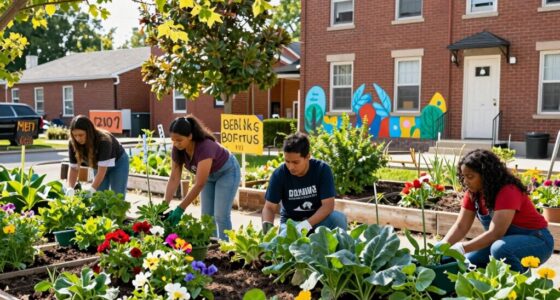

The key trick to preventing burnout is designing volunteer roles that provide clear purpose, autonomy, and recognition. Make sure each role is well-defined, with achievable goals, and allows volunteers to choose projects that excite them. Regularly acknowledge their efforts and offer opportunities to develop new skills. Foster a supportive environment where volunteers feel heard and valued, creating a positive cycle of engagement. To discover more ways to sustain motivation and avoid fatigue, keep exploring these strategies.

Get the little things that make your day delivered free — and shop member deals
- Fast, free delivery on millions of items
- Access to Prime Big Deal Days deals on October 6–7
- Prime Video, Amazon Music and more included
Key Takeaways
- Rotate responsibilities regularly to prevent monotony and maintain engagement.
- Clearly define roles and connect tasks to a larger purpose to foster motivation.
- Incorporate autonomy by allowing volunteers to choose projects aligned with their interests.
- Recognize contributions frequently to reinforce appreciation and reduce feelings of burnout.
- Provide ongoing skill development and growth opportunities to sustain enthusiasm and commitment.

Ever wonder how to make volunteer roles more engaging and effective? The key lies in designing roles that motivate volunteers while simultaneously preventing burnout. When you apply the right motivational strategies, you keep volunteers inspired and committed. Think about what truly drives people—recognition techniques play a prominent role here. Acknowledging their efforts, no matter how small, boosts morale and fosters a sense of purpose.
Start by clearly defining each role, ensuring volunteers understand the importance of their contributions. When volunteers see how their work fits into the bigger picture, they’re more likely to stay motivated. Incorporate motivational strategies like setting achievable goals and providing autonomy. Giving volunteers some control over their tasks makes them feel trusted and valued. For example, allowing volunteers to choose projects that resonate with their interests can greatly increase engagement.
Recognition techniques are equally essential. Regularly expressing appreciation—whether through personal thank-yous, certificates, or public acknowledgment—reinforces their value. When volunteers feel recognized, they’re less likely to experience burnout because they associate their efforts with positive reinforcement. Remember, recognition doesn’t need to be grand; small, sincere gestures often have the most impact. Additionally, fostering a sense of community among volunteers can enhance their belonging and motivation, which is vital for sustained engagement. Creating opportunities for social interaction and collaboration can further strengthen this sense of belonging.
Another effective method is rotating responsibilities. This prevents monotony and overuse of specific skills, which can lead to fatigue. By diversifying tasks, you keep volunteers challenged and engaged without overwhelming any one individual. Additionally, providing opportunities for skill development can energize volunteers and deepen their commitment. When they see growth potential in their roles, they’re more likely to stay motivated and less prone to burnout. Incorporating indoor air quality concepts from the broader environment can also serve as an interesting way to connect volunteer efforts to health and well-being, further increasing their sense of purpose. Recognizing and addressing volunteer motivation factors can significantly improve retention and satisfaction.
Moreover, understanding the importance of motivation in volunteer roles can help you tailor your approach more effectively. Communication also plays an important role. Regular check-ins, honest feedback, and listening to volunteers’ concerns help you adjust roles to better suit their needs. When volunteers feel heard and supported, they’re more resilient against burnout. Creating a supportive environment where volunteers feel appreciated and their efforts recognized fosters loyalty and long-term engagement. Implementing feedback mechanisms, such as surveys or informal conversations, can help identify areas for improvement and ensure volunteers feel their voices matter.
In essence, designing volunteer roles that incorporate motivational strategies and recognition techniques creates a positive cycle. Volunteers become more invested, their enthusiasm grows, and burnout diminishes. By thoughtfully structuring roles that emphasize purpose, autonomy, recognition, and development, you set the stage for a dedicated, energized volunteer team that sustains their passion over time.
volunteer role recognition certificates
As an affiliate, we earn on qualifying purchases.
As an affiliate, we earn on qualifying purchases.
Frequently Asked Questions
How Can I Measure Volunteer Satisfaction Effectively?
You can measure volunteer satisfaction effectively by regularly gathering feedback through surveys or informal check-ins. Recognize volunteers’ efforts with meaningful volunteer recognition, which boosts morale and engagement. Also, assess how role flexibility impacts their experience—if they feel empowered and adaptable, satisfaction increases. Tracking these elements helps you understand their needs, identify areas for improvement, and foster a positive environment that keeps volunteers motivated and committed.
What Are Signs of Volunteer Burnout to Watch For?
You’ll notice signs of volunteer burnout when motivation drops, enthusiasm wanes, or they seem disengaged. Volunteers may become less punctual, show frustration, or withdraw from team interactions. Lack of role clarity can deepen this stress, making tasks feel overwhelming. To prevent this, regularly check in with volunteers, acknowledge their efforts, and guarantee they understand their roles. Recognizing these signs early helps you address issues before burnout takes hold.
How Often Should Volunteer Roles Be Reviewed or Adjusted?
You should review volunteer roles every few months—because, let’s face it, even superheroes need a costume upgrade. Keep volunteer recruitment lively and role flexibility high by checking in regularly. If volunteers look exhausted or bored, it’s a sign you need a tweak. Regular reviews help prevent burnout, ensuring roles stay engaging and adaptable. Think of it as a spa day for your volunteer program—refresh, revitalize, repeat!
What Training Enhances Volunteer Resilience and Engagement?
You should focus on training that boosts volunteer motivation and promotes skill development. Providing workshops on communication, leadership, or problem-solving keeps volunteers engaged and confident. Regularly updating training sessions helps volunteers feel valued and supported, preventing burnout. Incorporate real-world scenarios and opportunities for growth. When volunteers see how their skills improve and their efforts matter, their resilience strengthens, and they stay motivated to contribute meaningfully over time.
How Do I Handle Conflicts Among Volunteers?
You handle conflicts among volunteers by prioritizing clear volunteer communication, listening actively, and addressing issues promptly. Use conflict resolution techniques that promote understanding, such as mediating discussions and encouraging empathy. Set clear expectations, foster a respectful environment, and remind everyone of shared goals. When conflicts arise, stay calm, be fair, and focus on solutions. This approach helps maintain harmony, strengthens teamwork, and keeps your volunteer community engaged and committed.
As an affiliate, we earn on qualifying purchases.
Conclusion
By applying this simple volunteer role design trick, you’ll avoid burnout like a superhero dodging fiery blasts. You’ll feel energized, fulfilled, and unstoppable in making a difference. Remember, a well-crafted role isn’t just a small change—it’s your secret weapon to sustain passion and enthusiasm long-term. So, take these tips to heart and watch your volunteering efforts soar to legendary heights. Because, with the right design, you’re unstoppable in creating positive change!
As an affiliate, we earn on qualifying purchases.
volunteer skill development kits
As an affiliate, we earn on qualifying purchases.
As an affiliate, we earn on qualifying purchases.
NFL season / tailgating Picks
team gear
As an affiliate, we earn on qualifying purchases.