

To choose a charity wisely, first identify causes that match your values and giving goals. Look for organizations that are transparent about their finances and impact, and verify their credibility through independent watchdogs like Charity Navigator or GuideStar. Consider how effectively they use donations to create real change and ensure their mission aligns with what matters most to you. If you want to learn more about making impactful giving decisions, keep exploring the essentials of charitable support.
Key Takeaways
- Research charities’ transparency, financial health, and impact data through watchdog organizations like Charity Navigator or GuideStar.
- Ensure the organization’s mission aligns with your personal values and giving goals.
- Review success stories, measurable results, and progress reports to assess effectiveness.
- Verify credibility with independent evaluations and look for positive reviews and proven track records.
- Trust your instincts and choose organizations that resonate with your beliefs and make you feel confident in your support.

Are you unsure how to choose the right charity to support? Making this decision can feel overwhelming, especially with so many options claiming to make a difference. To give wisely and ensure your donations have a real impact, you need to consider a few key factors. First, understanding the donor criteria that different charities set can help you determine whether your values align with their mission. Some organizations prioritize specific causes or communities, so clarifying your own giving goals will guide your choice. Think about whether you want your support to fund healthcare, education, disaster relief, or another area. Once you’ve identified your priorities, look for charities that meet those criteria.
Choosing a charity that aligns with your values and goals ensures your donations make a meaningful impact.
Equally important is charity transparency—this is the measure of how open and honest an organization is about its operations, finances, and impact. A transparent charity willingly shares detailed financial reports, such as annual audits and IRS Form 990 filings, so you can see exactly where your money goes. When charities are transparent, they build trust and demonstrate accountability, giving you confidence that your donation is being used effectively. Take time to review their websites, reports, and independent evaluations; reputable organizations will readily provide this information. If a charity hesitates or lacks clarity about their financial practices, it’s a red flag that they may not be managing funds responsibly.
In addition to donor criteria and transparency, consider researching a charity’s impact. Look for organizations that provide clear data on how they use donations to achieve tangible results. Many reputable charities share success stories, metrics, and progress updates that show the real-world benefits of your support. Also, check whether they are accredited by independent watchdog groups such as Charity Navigator, GuideStar, or BBB Wise Giving Alliance. These organizations evaluate charities based on financial health, accountability, and transparency, making it easier for you to make an informed decision. Furthermore, understanding the performance metrics used to assess a charity’s effectiveness can help you gauge their ability to create meaningful change.
Finally, trust your instincts. Supporting a charity isn’t just about numbers—it’s about aligning with an organization whose values resonate with yours. By focusing on donor criteria, charity transparency, impact, and credibility, you can confidently choose a charity that maximizes your giving power and creates genuine change. Giving thoughtfully means not only making a difference but also feeling assured that your generosity is truly appreciated and effectively used.

for Magsafe Portable Charger, 12000mAh Wireless Magnetic Power Bank with Stand& PD 20W Fast Charging, for Magsafe Battery Pack Compatible with iPhone 17/16/15/14/13 Series,Powerbank for Travel Cruise
Magnetic Power Bank — Snap On and Go: Crafted for Magsafe-compatible phones, the CHUSII magnetic power bank features...
As an affiliate, we earn on qualifying purchases.
Frequently Asked Questions
How Do I Evaluate a Charity’s Financial Transparency?
You can evaluate a charity’s financial transparency by reviewing their financial reporting and donor accountability practices. Check if they provide clear, detailed reports on how funds are used, including annual reports and IRS filings like Form 990. Look for transparency in their financial statements, ensuring they prioritize honesty and openness. A trustworthy charity openly shares financial info, demonstrating strong donor accountability, which helps you make informed, impactful giving decisions.
What Are Tax Benefits of Charitable Giving?
Imagine opening your mailbox and finding a thank-you note from a charity you donated to. That’s because your gift may qualify for tax deductions under IRS regulations, reducing your taxable income. Charitable giving provides tax benefits like deductions that can lower your tax bill, making your generosity more impactful. By understanding IRS rules, you maximize these benefits, ensuring your contributions support causes you care about while also saving you money come tax time.
How Can I Ensure My Donation Is Used Effectively?
To guarantee your donation is used effectively, focus on donation planning and research. Look for charities with transparent impact measurement, showing how funds are used and the results achieved. Check their financial health and accountability. You can also ask for reports or evidence of outcomes. By staying informed and choosing organizations that prioritize impact measurement, you maximize your donation’s effectiveness and ensure your support truly makes a difference.
Are There Specific Causes That Need More Support Now?
You should focus on emerging crises, underfunded areas, and urgent needs. These causes need your support now more than ever—climate change impacts, mental health services, and global health initiatives. By directing your donations toward these essential areas, you help address pressing issues, fill crucial gaps, and make a meaningful impact. Prioritize causes that align with your values and where your contribution can truly make a difference in times of crisis.
How Can I Involve My Family in Charitable Giving?
You can involve your family in charitable giving by creating family traditions around giving, like annual donation days or volunteering together. Share stories about causes you care about, and encourage everyone to suggest ideas. Engage in shared volunteering activities to foster teamwork and empathy. These experiences help your family bond while making a positive impact, making giving a meaningful and lasting part of your family life.
Amazon Product B0FG29X42V
As an affiliate, we earn on qualifying purchases.
Conclusion
By taking the time to research and choose a charity that aligns with your values, you guarantee your giving makes a real difference. Think of it like planting a seed—you want to nurture it wisely so it grows strong and fruitful. When you give thoughtfully, your support can transform lives and create lasting change. So, be intentional, stay informed, and give with purpose. Your generosity can be a powerful force for good, just like a beacon guiding others toward kindness.
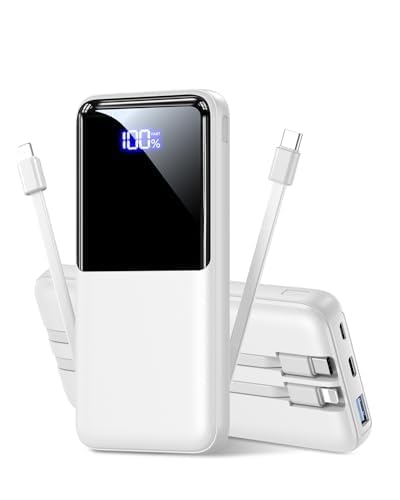
Portable Charger Power Bank - 15000mAh Battery Pack Portable Phone Charger with Built in Cable 22.5W Fast Charging Powerbank Compatible with iPhone Android Samsung Phone, Travel Camping Essential
Power Bank with Built-in Cable for Tangle-Free Charging: Say goodbye to cable clutter! Built-in USB C cable and...
As an affiliate, we earn on qualifying purchases.

Portable Charger 50800mAh Power Bank with 3 Built in Cables,25W PD QC4.0 Fast Charging USB C Battery Pack,6 Outputs 2 Inputs Travel Essentials Portable Phone Charger for iPhone 17/16/15,Google,Android
【Massive 50800mAh Portable Charger with 3 Built-in Cables】 Versatile portable charger built-in 3 cables (Type-C, for iPhone, Micro),...
As an affiliate, we earn on qualifying purchases.