
TL;DR

Get the little things that make your day delivered free with Prime
- Fast, free delivery on millions of items
- Prime Video, Amazon Music and more included
- Member-only deals all year
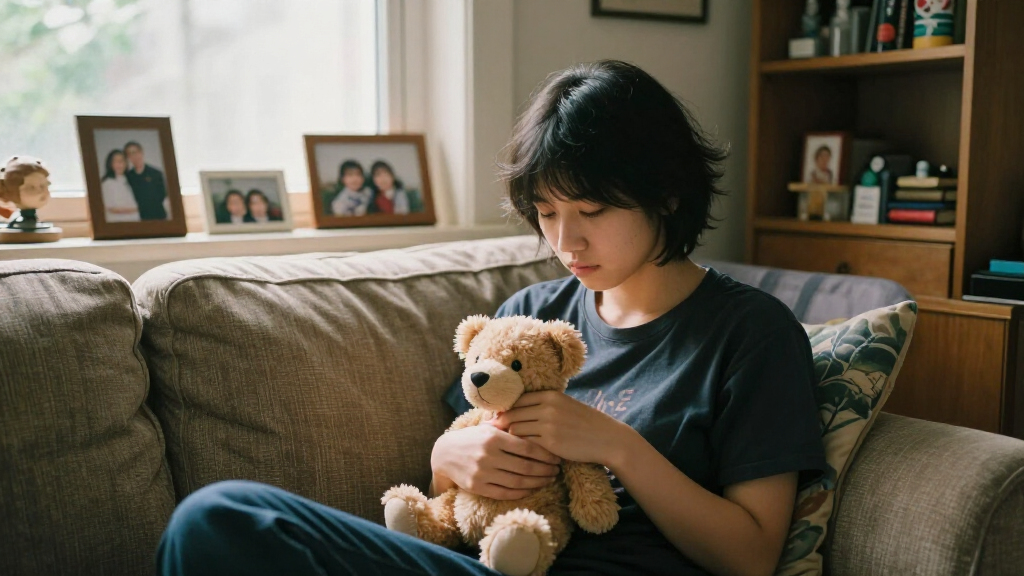
A notable increase in posts on Bluesky shows users sharing childhood fears, reflecting a trending social media phenomenon. The trend’s origins and full scope remain unconfirmed, but it is gaining attention.
Users on the social media platform Bluesky are actively sharing childhood fears, leading to a trending topic that has attracted significant attention. The trend appears to involve a large number of posts where users recount fears from their early years, although the origin and full scope of the trend remain unconfirmed. This development matters because it highlights a collective reflection on childhood experiences and reveals the ways social media fosters shared personal narratives.
The trend on Bluesky emerged over the past few days, with posts ranging from simple confessions to detailed stories about childhood fears. These fears include common anxieties such as fear of the dark, monsters under the bed, and abandonment, as well as more unusual concerns like fear of certain animals or specific objects. Social media analysts note that the trend’s rapid growth indicates a significant level of engagement, with many users participating or commenting on posts.
While the exact trigger for this surge remains unclear, some speculate it could be linked to broader cultural conversations about mental health, childhood trauma, or a viral challenge encouraging users to share personal stories. Notably, the trend has sparked discussions about how childhood fears shape adult perspectives, with some users expressing nostalgia or vulnerability. However, there is no confirmed coordinated campaign or official origin for this phenomenon, and the trend appears to be organic in nature.
Implications of Sharing Childhood Fears Publicly
This trend underscores the importance of childhood experiences in shaping adult identity and emotional well-being. By sharing fears openly, users may be engaging in collective catharsis or seeking connection through vulnerability. It also reflects a broader societal shift toward destigmatizing mental health and personal struggles, especially amid increased social media use. For mental health professionals, the trend may indicate a growing openness among younger populations to discuss psychological topics publicly, which could influence future conversations around childhood trauma and emotional resilience.
childhood fear anxiety relief products
As an affiliate, we earn on qualifying purchases.
As an affiliate, we earn on qualifying purchases.
Over recent years, social media has increasingly become a space for sharing personal stories, including childhood memories and fears. Platforms like Twitter, TikTok, and now Bluesky have seen trends where users recount formative experiences, often for entertainment, support, or community-building. This particular surge on Bluesky appears to be part of a broader pattern of users seeking authentic connection through personal disclosures. Historically, sharing childhood fears has been a common theme in therapy or personal reflection, but its emergence as a trending online phenomenon marks a shift toward more open, public dialogue.
It is worth noting that Bluesky, as a newer platform, is still developing its user base and content trends, which may influence how this phenomenon spreads and evolves. The current spike in sharing fears is consistent with digital culture’s tendency toward vulnerability and authenticity, though it is still uncertain whether this will sustain or fade over time.
As an affiliate, we earn on qualifying purchases.
Unconfirmed Origins and Future Trajectory of the Trend
It is not yet clear what precisely triggered this surge in sharing childhood fears on Bluesky. The origin remains unconfirmed, and whether this is part of a coordinated campaign, a viral challenge, or simply organic growth is unknown. Additionally, the longevity of the trend and whether it will spread to other platforms or fade quickly are still uncertain. Experts caution that social media trends can be unpredictable, and further observation is needed to understand its full scope and implications.
As an affiliate, we earn on qualifying purchases.
Monitoring the Trend’s Development and Impact
The next steps include tracking the trend’s growth on Bluesky and other platforms, analyzing user engagement, and observing whether it prompts broader conversations about childhood and mental health. Researchers and mental health advocates may also monitor the trend’s influence on public discourse and individual well-being. As the trend continues, platforms might implement moderation or support measures if necessary, and further insights could emerge about how digital spaces facilitate personal storytelling.
As an affiliate, we earn on qualifying purchases.
Key Questions
Why are people sharing childhood fears now?
While the exact reason is unclear, it may relate to a broader cultural shift toward openness about mental health, or it could be driven by social media’s tendency to amplify personal stories and vulnerability.
Is this trend harmful or beneficial?
Sharing childhood fears can be beneficial by fostering connection and emotional release, but it may also evoke distress if not managed carefully. Mental health professionals suggest moderation and support if needed.
Will this trend continue or spread to other platforms?
The future trajectory is uncertain. It could remain a Bluesky-specific phenomenon or inspire similar sharing on other social media sites, depending on user interest and platform dynamics.
Are there any risks associated with sharing personal fears publicly?
Potential risks include exposure to negative comments, privacy concerns, or emotional distress. Users are advised to share thoughtfully and seek support if feelings become overwhelming.
Source: bluesky
Halloween Picks
halloween
As an affiliate, we earn on qualifying purchases.