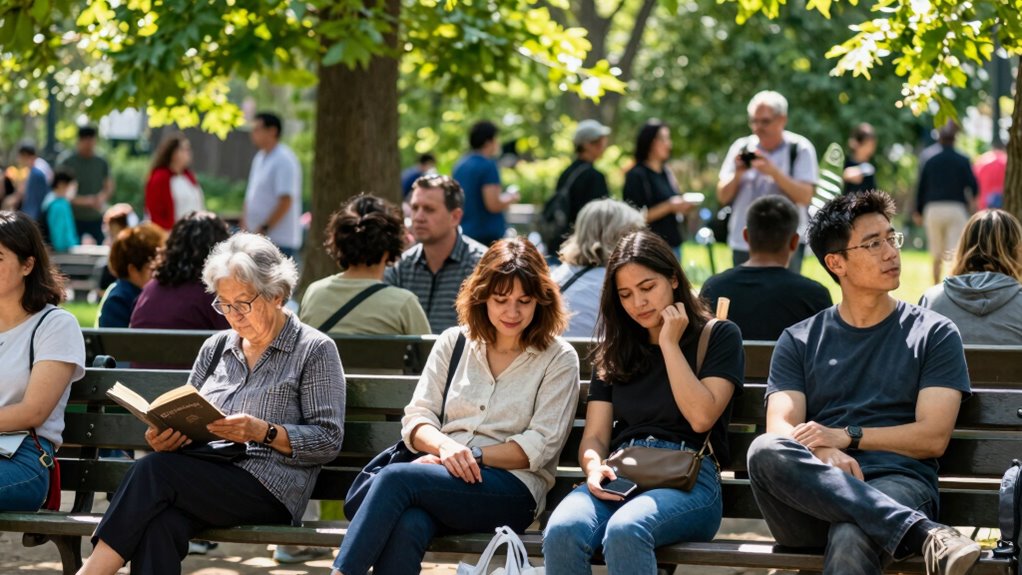

Some weeks feel overwhelming because your social battery drains faster due to mental effort from processing conversations and cues in large or high-energy environments. Stress, fatigue, and busy schedules can reduce your capacity to handle social demands, leading to exhaustion even if you enjoy the company. Recognizing signs of fatigue early and taking breaks helps you recharge and avoid burnout. If you want to understand more about managing your social energy, keep exploring how setting boundaries makes a difference.

Get the little things that make your day delivered free with Prime
- Fast, free delivery on millions of items
- Prime Video, Amazon Music and more included
- Member-only deals all year
Key Takeaways
- Multiple social engagements in a short period deplete mental reserves, leading to increased fatigue and feeling overwhelmed.
- High-energy environments and large groups demand more cognitive effort, accelerating social battery depletion.
- Stress, fatigue from other sources, or health issues reduce the capacity to handle social interactions.
- Ignoring early signs of fatigue and not taking breaks prolongs exhaustion during busy weeks.
- Lack of downtime between commitments prevents recharging, intensifying the feeling of being “people-heavy.”

Have you ever felt drained after socializing, even when you enjoyed the company? That sensation isn’t just in your head—it’s a real phenomenon driven by energy depletion and social fatigue. When you spend time around others, especially in large groups or high-energy environments, your brain works harder to process conversations, read social cues, and stay engaged. This mental effort burns through your mental reserves, leaving you feeling exhausted afterward. Even if you’re an extrovert who usually thrives on social interaction, there will be days when your social battery feels drained faster than usual.
Feeling exhausted after socializing? Your brain works harder to process cues, draining your mental reserves and energy.
This feeling of being worn out isn’t about disliking the people you’re with. It’s about how your mind and body respond to social demands. Your social battery, a metaphor many use to describe your capacity for social interaction, can run low after just a few hours of active engagement. When your energy levels dip, you may notice a decline in enthusiasm, increased irritability, or a tendency to withdraw. This isn’t necessarily a sign of social aversion but a natural response to the toll that social fatigue takes on your mental and physical resources. The more you push yourself without breaks, the more your energy depletion accumulates, making social interactions feel increasingly draining.
Certain factors can intensify this effect. If you’re dealing with stress, fatigue from other sources, or health issues, your capacity to handle social stimulation drops even faster. Busy weeks filled with multiple meetups, work commitments, and social obligations can leave you feeling overwhelmed. During these times, you might find yourself craving solitude or quiet moments to recharge—these aren’t signs of introversion, but simply your body’s way of restoring balance. Recognizing the importance of rest and recovery can help you better understand your limits and prevent burnout. Ignoring these signals can lead to burnout, which only prolongs recovery and deepens your sense of social fatigue. Being aware of your mental reserves can help you pace yourself and avoid overextending during demanding periods. Furthermore, understanding the role of energy management in social situations can empower you to set healthier boundaries and prioritize your well-being.
Understanding your personal limits is key. Recognize when your energy is starting to wane and allow yourself the space to step back and recharge. It’s okay to decline invitations or seek downtime without guilt. Your social battery isn’t infinite, and respecting its boundaries helps prevent exhaustion and preserves your mental well-being. Being aware of social fatigue and how it impacts your overall energy levels can help you better manage your social commitments. By tuning into your body’s signals and pacing yourself, you can navigate busy weeks more smoothly, enjoying social interactions without feeling drained long after they end. Remember, safeguarding your energy isn’t a sign of weakness—it’s a necessary step toward maintaining a healthy balance between social life and personal rest.
As an affiliate, we earn on qualifying purchases.
Frequently Asked Questions
How Can I Recharge My Social Battery Effectively?
To recharge your social battery, focus on boosting your emotional resilience and managing your energy wisely. Take quiet moments alone to reflect and reset, allowing yourself to recover emotionally. Engage in activities that bring you joy and relaxation, like reading or walking. Limit social interactions when needed, and prioritize self-care. These steps help replenish your energy, making you more prepared for social engagements and preventing burnout.
Is Feeling Drained After Social Events Normal?
Feeling drained after social events? Absolutely, it’s your body’s way of saying you’ve hit the limit of social fatigue. Your energy depletes faster than a smartphone battery on a binging spree. It’s perfectly normal, really—kind of like a badge of honor for maneuvering the social jungle. Just remember to rest and recharge; your social battery deserves a timeout after such heroic efforts.
Do Introverts Experience This Problem More Often?
Yes, introverts often experience this problem more frequently because their social energy management requires more effort. Their introvert resilience helps them recharge, but social interactions tend to drain their energy faster. You might notice you’ll need more alone time after busy weeks, as your social battery depletes quickly. Understanding your limits allows you to better manage your social energy, helping you avoid exhaustion and maintain balance.
Can Certain Activities Help Conserve Social Energy?
Yes, certain activities can help you conserve social energy. To do this, focus on activity strategies like taking short breaks during social events and engaging in calming, solo activities afterward. Prioritize restful routines, such as reading or walking, to recharge. These strategies allow you to manage your energy better, making social interactions feel less draining and helping you maintain your social stamina throughout busy weeks.
When Should I Seek Professional Help for Social Exhaustion?
You should seek professional help for social exhaustion if it persists despite rest and self-care, or if it starts affecting your mental health considerably. Recognizing signs of burnout, such as persistent fatigue, anxiety, or withdrawal, is essential for burnout prevention. A mental health professional can help you develop strategies to manage social overload, restore your energy, and guarantee your overall well-being, preventing future episodes of exhaustion.
mental fatigue relief supplement
As an affiliate, we earn on qualifying purchases.
As an affiliate, we earn on qualifying purchases.
Conclusion
So, when social stamina sags and weeks feel too weighty with too many faces, remember: self-care is your secret sanctuary. Give yourself grace, embrace solitude, and don’t hesitate to hit pause. Prioritize peace over pressure, and gradually regain your social strength. Because, in the end, nurturing your natural nudge toward balance is the best way to beat the social battery burnout and bounce back brighter, bolder, and more balanced.
As an affiliate, we earn on qualifying purchases.
As an affiliate, we earn on qualifying purchases.
NFL season / tailgating Picks
team gear
As an affiliate, we earn on qualifying purchases.