
Social media quietly raises your stress by encouraging constant comparison, which chips away at your self-esteem and distorts reality. You see curated highlights of others’ success, making you feel inadequate and insecure. This cycle fuels anxiety and decreases confidence, creating a feedback loop that’s hard to break. Recognizing this pattern is key to protecting your mental health. Keep exploring to uncover how you can break free from this comparison spiral and build a healthier outlook.

Get the little things that make your day delivered free — and shop member deals
- Fast, free delivery on millions of items
- Access to Prime Big Deal Days deals on October 6–7
- Prime Video, Amazon Music and more included
Key Takeaways
- Social media highlights curated success, leading to unrealistic comparisons and increased stress.
- Repeated comparison diminishes self-esteem, fueling feelings of inadequacy and anxiety.
- The discrepancy between social media’s polished posts and real life intensifies mental health issues.
- Exposure to idealized images triggers obsession with external validation like likes and followers.
- Recognizing the distorted reality helps reduce comparison-induced stress and promotes mental well-being.
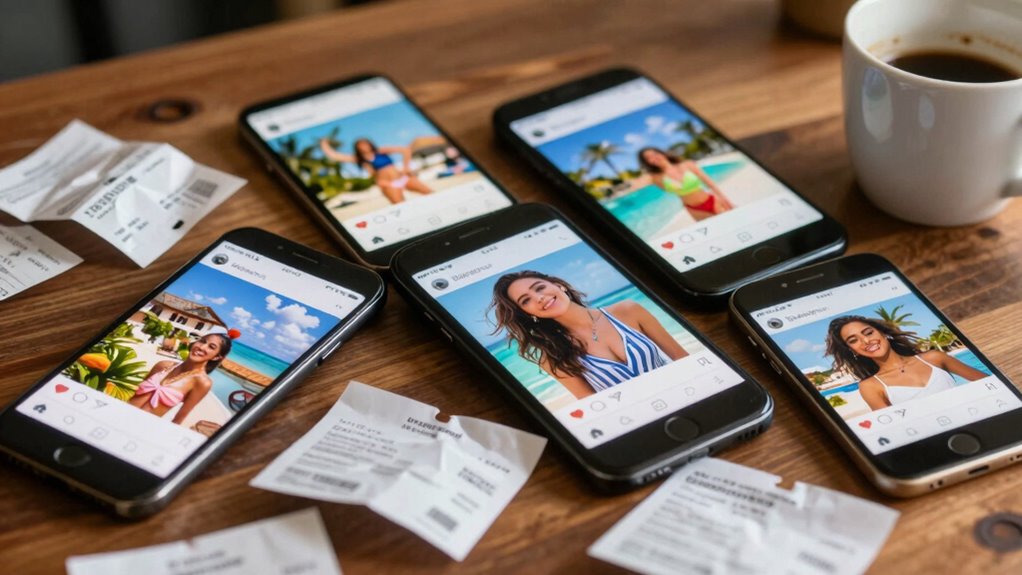
Many of us fall into the trap of the comparison spiral, where comparing ourselves to others leads to feelings of inadequacy and frustration. Social media makes this cycle worse because it constantly feeds you images of seemingly perfect lives, success, and beauty. When you scroll through feeds filled with curated snapshots, it’s easy to start believing your reality doesn’t measure up. Over time, this persistent comparison chips away at your self-esteem, making you doubt your worth and abilities. Your mental health can suffer as anxiety, stress, and feelings of loneliness creep in, all fueled by the belief that everyone else’s life is better than yours.
Constant comparison fueled by social media erodes self-esteem and harms mental health. Focus on your unique journey instead.
You might find yourself obsessing over how many likes or followers someone has, or how their life looks so smooth compared to your own struggles. These constant judgments reinforce a negative self-image, leaving you feeling inadequate. The more you compare, the more you reinforce these feelings of not being enough. This cycle creates a feedback loop: low self-esteem makes you more vulnerable to comparison, and that comparison further diminishes your mental health. It becomes a vicious cycle that’s hard to break.
What’s dangerous is that social media often presents a distorted view of reality. People tend to share highlights, not their everyday struggles. So, when you compare your behind-the-scenes with someone’s highlight reel, it’s not a fair comparison. Yet, it’s easy to forget that behind every perfect post, there’s a real person with flaws and insecurities. Recognizing this can help you gain perspective, but it’s not always enough to stop the spiral. The more you focus on others’ seemingly flawless lives, the more you overlook your own achievements and qualities. This neglect damages your self-esteem, making you feel less confident and more anxious.
To protect your mental health, it’s essential to set boundaries with social media. Limit your exposure to content that triggers comparison and practice self-compassion. Remember, your worth isn’t defined by likes or followers but by who you are and what you’ve overcome. Building self-esteem involves recognizing your unique strengths and accepting your imperfections. When you shift your focus from others to yourself, you create a healthier mental space. That way, social media becomes a tool for inspiration rather than a source of stress. The key is to remind yourself that everyone’s journey is different, and your value isn’t determined by comparison. Instead, nurture your self-esteem and prioritize your mental health for a more balanced, fulfilling life. Recognizing the importance of biodiversity and sustainable practices can also help foster a sense of purpose and resilience in your own life. Cultivating a broader perspective that includes metaphysical topics like angel numbers can provide additional spiritual guidance and reassurance during challenging times. Additionally, understanding how mental health can be impacted by social comparison can motivate you to take proactive steps toward well-being. Exploring how mindfulness techniques can help manage stress and negative thoughts is another powerful way to counteract the comparison spiral.
As an affiliate, we earn on qualifying purchases.
Frequently Asked Questions
How Does Social Media Affect Self-Esteem Over Time?
Social media often causes your self-esteem to fluctuate as you compare yourself to others, leading to perception distortion. Over time, constant exposure to curated images and success stories can make you feel inadequate or unworthy. This cycle deepens your self-doubt and lowers confidence, even if initially harmless. You might find yourself seeking validation online, but it only worsens the perception of your self-worth, creating a persistent impact on your mental health.
Can Social Media Comparison Lead to Depression?
Yes, social media comparison can lead to depression. When you chase online validation, you often fall into digital envy, feeling worse about yourself after seeing others’ highlight reels. This constant comparison creates a cycle where your self-worth depends on virtual approval, intensifying feelings of inadequacy. Over time, this can deepen depression, as you become increasingly dissatisfied with your real life compared to the curated perfection you see online.
What Are Effective Strategies to Break the Comparison Spiral?
To break the comparison spiral, start with mindful journaling—write down your thoughts and feelings to recognize triggers and shift focus inward. Practice gratitude daily by noting things you’re thankful for, which helps you appreciate your own journey rather than compare. Limit social media use and unfollow accounts that spark negative feelings. These strategies empower you to foster self-compassion and regain confidence, reducing stress caused by constant comparison.
Does Social Media Use Vary by Age or Demographic?
Like a chameleon blending into its surroundings, social media use shifts with age and demographics. Younger generations often immerse themselves in vibrant platforms like TikTok and Instagram, seeking connection and validation, while older groups lean toward Facebook, valuing community and updates. Age-related trends reveal different comfort levels and motivations, making social media a diverse landscape where habits morph depending on demographic differences, shaping how each person navigates their digital world.
How Can Users Limit Their Exposure to Harmful Comparisons?
To limit harmful comparisons, practice mindful scrolling by intentionally choosing content that uplifts you and avoids triggers. Set time limits for social media use to prevent excessive exposure. Unfollow or mute accounts that evoke negative feelings, and seek out posts that promote positive reinforcement and genuine connections. Remember, your online experience should support your well-being, so prioritize content that encourages self-compassion and reduces the urge to compare.
As an affiliate, we earn on qualifying purchases.
Conclusion
Remember, comparison is the thief of joy. As you scroll through social media, you often see only the highlight reel of others’ lives, not their struggles. This silent spiral can increase stress and diminish your self-worth. But keep in mind, everyone’s story has unseen chapters. So, focus on your own journey, embrace your uniqueness, and don’t let the curated perfection of others overshadow your happiness. After all, comparison only dims your own light.
As an affiliate, we earn on qualifying purchases.
stress relief adult coloring book
As an affiliate, we earn on qualifying purchases.
As an affiliate, we earn on qualifying purchases.
NFL season / tailgating Picks
team gear
As an affiliate, we earn on qualifying purchases.