Building resilience involves developing mental toughness and emotional agility to bounce back after setbacks. Focus on maintaining a growth mindset, viewing challenges as opportunities to learn, and controlling your attitude and effort. Recognize and accept your emotions without judgment, then respond thoughtfully instead of reacting impulsively. Practicing self-discipline and setting realistic goals strengthen your ability to recover and grow stronger. Keep exploring these strategies to turn setbacks into stepping stones toward success.
Key Takeaways
- Develop a growth mindset to view setbacks as learning opportunities rather than failures.
- Practice emotional agility by recognizing and accepting emotions to prevent overwhelm.
- Focus on controllable factors like effort, attitude, and perspective to maintain focus and motivation.
- Cultivate self-discipline and set realistic goals to build confidence and resilience over time.
- Use setbacks as stepping stones for reflection, adjustment, and growth, strengthening mental toughness.

Have you ever wondered what it takes to bounce back stronger from setbacks? Building resilience isn’t about avoiding failure or pain; it’s about developing the inner strength to recover and grow from these experiences. At the core of resilience lies mental toughness—a essential quality that helps you stay focused, confident, and composed during tough times. Mental toughness allows you to face adversity head-on without losing sight of your goals, and it fuels your ability to keep pushing forward despite obstacles. But mental toughness alone isn’t enough. You also need emotional agility: the capacity to recognize, accept, and adapt to your emotional responses without being overwhelmed by them.
Building resilience requires mental toughness and emotional agility to recover and grow from setbacks.
When setbacks hit, your initial reaction might be to feel discouraged, frustrated, or even defeated. That’s natural, but resilience demands that you don’t get stuck there. Instead, cultivate emotional agility by observing your feelings without judgment. Recognize that disappointment, fear, or anger are temporary states—they don’t define you. By practicing mindfulness and self-awareness, you can create space between your emotions and your actions. This allows you to respond thoughtfully rather than react impulsively, which is pivotal for bouncing back stronger.
Building mental toughness involves developing a growth mindset—believing that challenges are opportunities to learn and improve. When you see setbacks as part of the journey, they become less intimidating. Focus on what you can control, such as your attitude, effort, and perspective. Small wins matter; each time you overcome a hurdle, you reinforce your resilience and belief in your ability to adapt. Consistently practicing self-discipline, setting realistic goals, and maintaining a positive outlook strengthen your mental toughness over time.
Simultaneously, emotional agility helps you manage your internal landscape. Instead of suppressing emotions, acknowledge them and explore what they’re telling you. This process builds emotional resilience, making it easier to recover from setbacks because you’re better equipped to handle the emotional rollercoaster. When you’re emotionally agile, setbacks become opportunities to reflect, learn, and adjust your approach. You’re less likely to become overwhelmed or give up, and more likely to see setbacks as temporary hurdles rather than permanent failures.
In essence, resilience is a blend of mental toughness and emotional agility. When you cultivate both, you empower yourself to face adversity with confidence and grace. You learn to absorb the impact of setbacks, process your emotions constructively, and bounce back stronger than before. Resilience isn’t a trait you’re born with; it’s a skill you can develop through deliberate effort and perseverance. And once you master it, setbacks become simply stepping stones toward greater growth and success.

Fit Geno Back Brace Posture Corrector for Women and Men, Shoulder Straightener, Adjustable Full Back Support, Upper and Lower Back Pain Relief - Scoliosis, Hunchback, Hump, Thoracic, Spine Corrector
SUPERIOR POSTURE SUPPORT: Designed for men and women, Fit Geno posture corrector improves posture comfortably without underarm discomfort,...
As an affiliate, we earn on qualifying purchases.
Frequently Asked Questions
How Long Does It Typically Take to Rebuild Resilience After a Setback?
The recovery timeline for rebuilding resilience varies based on the setback and individual circumstances. Typically, resilience duration can range from a few weeks to several months, depending on your coping strategies and support system. You might find that with consistent effort, emotional recovery speeds up. Remember, patience is key—allow yourself time to heal, learn from setbacks, and gradually regain your strength and confidence.
Can Resilience Be Learned or Improved Over Time?
Yes, resilience can definitely be learned and improved over time. While setbacks may feel overwhelming, developing coping mechanisms and emotional flexibility helps you adapt and grow stronger. Think of resilience as a muscle—you can strengthen it through practice, learning to navigate challenges with confidence. The more you work on emotional flexibility and coping strategies, the better you become at bouncing back, even from life’s toughest setbacks.
Are There Specific Habits That Enhance Resilience?
Yes, you can enhance resilience by adopting specific habits. Practice mindfulness regularly to stay present and manage stress effectively. Seek social support; connecting with trusted friends or family provides emotional strength during tough times. Additionally, maintaining a positive outlook, setting realistic goals, and reflecting on past successes help build your resilience. These habits strengthen your ability to bounce back after setbacks, making you more adaptable and resilient over time.
How Do Cultural Differences Influence Resilience Strategies?
Cultural differences shape your resilience strategies through unique cultural coping mechanisms, which influence how you respond to setbacks. For example, some cultures emphasize community support, fostering collective resilience, while others focus on individual strength. Cross-cultural resilience shows that adapting these diverse strategies enhances your ability to bounce back. Understanding and integrating these cultural coping mechanisms can strengthen your resilience, helping you navigate setbacks more effectively across various cultural contexts.
What Are Signs of Declining Resilience During Tough Times?
You might notice your emotional awareness dimming, like a fading lighthouse in a storm, signaling declining resilience. Stress management becomes harder, and you feel overwhelmed, like a boat caught in turbulent waves. Signs include difficulty concentrating, irritability, or withdrawal. When your inner compass falters, it’s time to consciously nurture resilience by practicing self-awareness, managing stress, and seeking support, helping you navigate back to calmer waters.
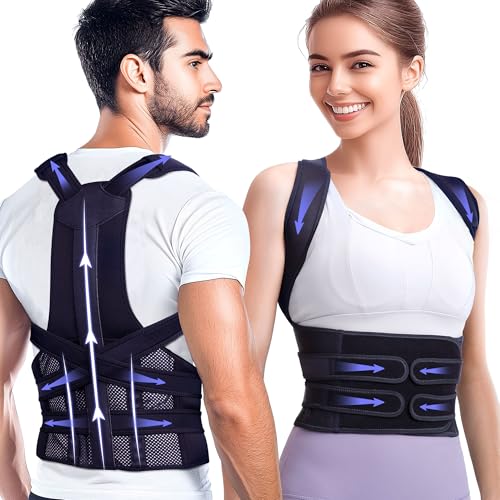
Kepwaa Posture Corrector for Women and Men, Upgraded Full Back Brace Support, Adjustable Shoulder Straightener for Improving Back Posture, Relief for Upper and Lower Back, Lumbar, Neck, Shoulder Pain
3 in 1 Corrector Support: Our adjustable back support brace with an ergonomic design, features 4 flexible ABS...
As an affiliate, we earn on qualifying purchases.
Conclusion
Remember, resilience is like a rubber band—you may stretch and bend, but you don’t break. When you face setbacks, think of a phoenix rising from ashes, stronger than before. According to research, resilient people bounce back faster and handle stress better. So, embrace challenges as opportunities to grow. Keep stretching, keep rising—your strength lies in how you bounce back and keep moving forward. Every setback is just a setup for a stronger comeback.

Back Brace Posture Corrector for Women and Men, Upgraded Breathable Full Back Support, Comfortable Shoulder Straightener, Pain Relief for Upper/Lower Back, Support for Scoliosis, Hunchback, Thoracic Spine, (Medium)
【3-in-1 Reliable Support】Our posture corrector offers exceptional support, designed to help with back and shoulder discomfort, spinal alignment,...
As an affiliate, we earn on qualifying purchases.

ComfyBrace Posture Corrector-Back Brace for Men and Women- Fully Adjustable Straightener for Mid, Upper Spine Support- Neck, Shoulder, Clavicle and Back Pain Relief-Breathable
Say Hello to a Pain-Free Life- The Comfy Brace posture corrector aims to relieve chronic back pain and...
As an affiliate, we earn on qualifying purchases.