
TL;DR

Get the little things that make your day delivered free with Prime
- Fast, free delivery on millions of items
- Prime Video, Amazon Music and more included
- Member-only deals all year
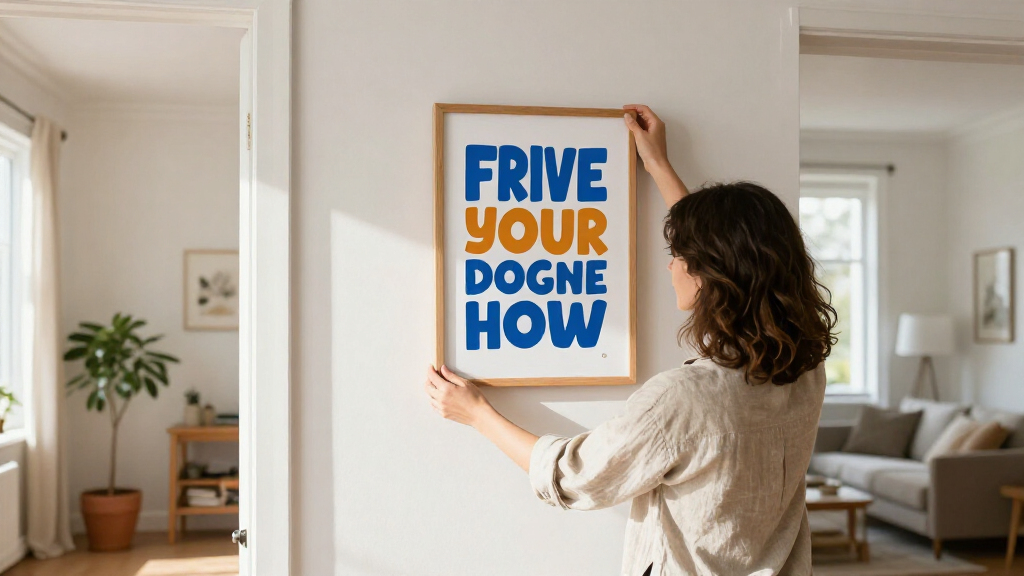
Motivational quote wall art pairs a written message with visual design to decorate a home, office, classroom, or other space. Choose wording that feels personal, make sure the text is readable from where you will see it, and match the material and size to the room. Treat it as a meaningful reminder, not a guaranteed fix for mood or productivity.
A quote can look inspiring on your phone and feel completely different when it hangs above your desk for a year. Motivational quote wall art combines written messages with visual design to decorate a home, office, classroom, or other space. It can be a framed print, canvas, poster, decal, handmade sign, or digital display.
The right piece gives you a small, visible reminder of what matters to you. The wrong one can become visual clutter: tiny script you can’t read, a slogan that doesn’t sound like you, or colors that clash with the room. You’ll learn how to choose wording, size the piece, compare materials, and place it where it earns a glance. The goal is a thoughtful detail that belongs in your space, not a promise that a few words will solve everything.
Choose wording that feels personal and fits the room’s purpose.
Check legibility at the size and viewing distance you will use; test the layout from your usual seat.
Compare material, hanging needs, care instructions, and total cost before ordering.
Use a paper mockup to check dimensions and placement before you hang or apply the art.
Treat quote art as a visible reminder, not a guaranteed answer to a difficult day.
Choose a message that sounds like you
A good motivational quote for your wall is concise, accurate, and meaningful to the person who will see it. Match its tone to the room: a gentle reminder might suit a bedroom, while a crisp prompt to focus may fit a work area. Personal meaning lasts longer than a slogan chosen only because it is popular.
Ask yourself what you want the words to do when you notice them. A phrase about patience may feel grounding during a hectic morning; a reminder to keep going might speak to someone practicing guitar after work. If “you can do anything” feels too grand, a quieter line such as “one page at a time” may feel more honest. That difference matters: art should invite reflection, not scold you for having an ordinary hard day.
For a shared office or classroom, think about who will read it. A message like “Progress takes practice” can encourage effort without implying that everyone faces the same obstacles or works at the same pace. You can also create a custom print in your own words, language, or cultural context, which often feels more authentic than a widely repeated quote.
Check the wording and author before printing a famous quotation, especially if you plan to sell the design or publish it commercially. A quote appearing all over social media does not automatically mean you can reproduce it freely. Accurate attribution protects the person being quoted and helps your finished piece feel considered.
Popular right now

Ninja Espresso and Coffee Maker with Built-In Frother, CFN601

Dyson Supersonic Nural Hair Dryer

iRobot Roomba Plus 678 Robot Vacuum and Mop with AutoWash Dock
As an affiliate, we earn on qualifying purchases.
Make every word readable from across the room
Readable motivational quote wall art uses clear type, strong contrast, generous spacing, and a size suited to its viewing distance. Ornate lettering can look beautiful on a product page yet turn into a dark tangle from across your living room. Readability is part of the design, not a detail to fix later.
Imagine a 30-centimeter print above a home-office desk. If it contains a long quotation in thin, pale-gray script, you may have to lean forward to decipher it. A shorter phrase in a clear typeface, printed in dark ink on a light background, is easier to catch between video calls. For an entryway, a few large words can read well while you walk past carrying groceries.
Before ordering, preview the print at the size you intend to buy. If possible, display the design on a screen at roughly its final dimensions, then step back to the distance where you’ll view it. Check the lighting too: a window’s glare on glass can wash out pale lettering, while a nearby lamp may cast a shadow across a dark canvas.
Design trends such as minimalist typography, neutral palettes, bold color accents, and handmade finishes offer plenty of styles to choose from. But style should support the message. A clean sans-serif might suit a short focus prompt; a softer hand-painted look might suit a cozy reading nook. Keep a busy background from competing with the words.
Compare materials before you buy
The best material depends on your budget, room, wall surface, and how often you may want to move the art. Paper prints are light and easy to frame; canvas and wood bring texture; decals suit smooth surfaces; digital displays let you change the message. Each option has a different feel and care routine.
Picture a bright kitchen with occasional splashes near the counter. A delicate paper print may need a frame and a safer spot away from moisture, while another material may handle everyday cleaning better if its care instructions allow it. In a rented room, a removable decal may be appealing, but only if the wall surface is suitable and you follow the maker’s guidance. No single format works best everywhere.
Before you choose, compare the details that affect the finished piece: dimensions, print quality, whether a frame is included, hanging hardware, customization, care instructions, shipping, and return terms. A low-cost poster can become a bigger expense once you add a frame. A handmade wooden sign may offer pleasing grain and texture, but its weight can call for sturdier hanging support.
| Format | What it offers | What to check |
|---|---|---|
| Paper print | Lightweight and easy to frame | Frame size, glazing, and moisture exposure |
| Canvas | Soft texture and a finished look | Cleaning guidance and mounting hardware |
| Wood sign | Warm grain and a handmade feel | Weight, finish, and safe hanging |
| Wall decal | Flexible styling without a frame | Surface compatibility and removal directions |
| Digital display | Messages you can change | Screen placement, power, and glare |
Put the art where your eyes naturally go
Place quote wall art where its intended reader can comfortably see and read it, with furniture, glare, and shadows out of the way. Above a desk or in a frequently used hallway, a short message can become part of your normal routine. A beautiful print hidden behind a door can’t serve as a visible reminder.
Consider a small home office: you might hang a focus-related quote where you can see it while seated, rather than high above a bookcase across the room. In a family kitchen, a warm message near the breakfast table may meet more eyes than a long text placed beside a cupboard. A classroom design should be large enough for students to read from their seats and use language that welcomes them.
Measure the wall and the furniture below it before you settle on a size. A piece that looks generous in an online thumbnail may feel tiny over a wide sofa; a long quotation can look cramped on a narrow strip of wall. Tape paper cut to the intended dimensions onto the wall, then look at it from the doorway and the usual viewing spot. That quick mockup often reveals sizing problems before you buy.
Lighting can change the result. Glass may reflect a window at certain hours, while a wall lamp can throw a sharp shadow over lettering. Try shifting your mockup slightly or checking the wall at different times of day. A few minutes of testing can save you from mounting a piece that looks good only in one patch of afternoon sun.
Make a custom piece in five practical steps
You can make quote art yourself by choosing a short message, planning its layout, picking a format, preparing the surface, and checking placement before hanging. Digital printing and online customization make it easy to change wording, colors, sizes, and layouts. A simple design can feel polished when you give the words room to breathe.
- Write the message. Keep it concise enough to read easily and check every word and attribution.
- Choose a format. Decide whether a framed print, painted sign, decal, or digital layout suits your room and budget.
- Plan the design. Pick a clear typeface, readable contrast, and spacing that leaves breathing room around the text.
- Prepare the surface. For a painted sign or decal, follow product directions and use a clean, suitable surface; test materials in an inconspicuous spot when appropriate.
- Mock up the placement. Use paper in the finished size, check it from the room’s usual viewing distance, then hang or apply the piece according to its instructions.
For example, you could create a small print with “Take the next step” in charcoal letters on a warm cream background. Print it at home, place it in a frame you already own, and tape a paper copy beside your desk for a day. If the words feel cramped or sit in your sightline during video calls, adjust the layout before you print the final version.
DIY work gives you control over the wording and finish, but it still calls for care. Use hanging hardware suited to the piece’s weight and wall type, and follow instructions for adhesives, paint, and surfaces. Printable files are convenient, but check the license before using them for commercial products.
Keep the reminder useful, not demanding
Motivational quote wall art works best as a decorative personal reminder, not as a guaranteed way to change your mood, productivity, or mental health. A few words can keep an intention in view; they can’t do the work of support, rest, or practical help on their own. The right tone respects that difference.
Suppose you’re setting up a shared workspace during a stressful project. “Keep pushing, no excuses” may feel energizing to one person and shaming to someone else who is sick, caregiving, or simply exhausted. “Make room for the next small step” leaves space for different circumstances. In a gym, classroom, or family home, wording that encourages effort without judging people can make the art easier for everyone to live with.
Use the room’s actual needs as your guide. A quiet corner may suit a calming phrase, while a busy workshop could benefit from a brief prompt about attention. If a quote starts to feel irritating, outdated, or out of tune with your life, you can take it down or replace it. Reminders can change as your priorities do.
A quote can point toward an intention; your daily choices and real-world support give that intention room to grow.
For a gift, choose words and colors that reflect the recipient’s taste instead of guessing what they need to hear. A framed line a friend already says may feel thoughtful; a generic command to “be positive” could land badly during a difficult season. A kind gift leaves the recipient free to enjoy it in their own way.
Frequently Asked Questions
What makes a good motivational quote for a wall?
Choose a concise, accurate message that feels meaningful to the person who will see it and suits the room’s purpose. A short phrase such as “One step at a time” may feel more usable in a busy office than a long passage in small type.
Where should I place motivational wall art?
Put it at a comfortable reading height where the intended viewer naturally spends time, such as above a desk or in a frequently used hallway. Check for glare, shadows, and furniture that could block the words.
What size quote art should I choose?
Measure the wall and nearby furniture, then check the design from the distance where you will read it. A paper mockup in the intended dimensions can show whether a print feels too small, too wide, or crowded with text.
Which material is best: paper, canvas, wood, or a decal?
It depends on the look you want, the room, your budget, and whether you may move or clean the piece. Paper is light and easy to frame, canvas and wood add texture, and decals suit compatible smooth surfaces; check care and hanging instructions before choosing.
How do I make the words easy to read?
Choose clear lettering, strong contrast, generous spacing, and a font size suited to the viewing distance. Step away from a screen preview or paper mockup and read it from the place where you expect to see the finished art.
Can I use a famous quote on a product I sell?
Check the wording, attribution, copyright status, and rules that apply where you plan to sell or publish it. A quotation being widely shared online does not automatically give you permission to reproduce it commercially.
Conclusion
Choose quote art you can read easily and still believe when an ordinary day gets messy. Measure the wall, test the lettering from your usual viewing spot, and pick a message that sounds like you or the person receiving it. Then let it sit where your eyes naturally land—a small, steady note on the wall, not a demand to feel inspired every minute.