
TL;DR
A individual shares their journey from wishing to be smaller to embracing the power of being ‘jacked.’ The story highlights personal growth and changing perceptions of strength.
A personal story reveals how an individual spent years wishing they were smaller before discovering the confidence and empowerment that comes with being ‘jacked.’ This narrative highlights a shift in self-perception and challenges traditional beauty standards.

Get the little things that make your day delivered free with Prime
- Fast, free delivery on millions of items
- Prime Video, Amazon Music and more included
- Member-only deals all year
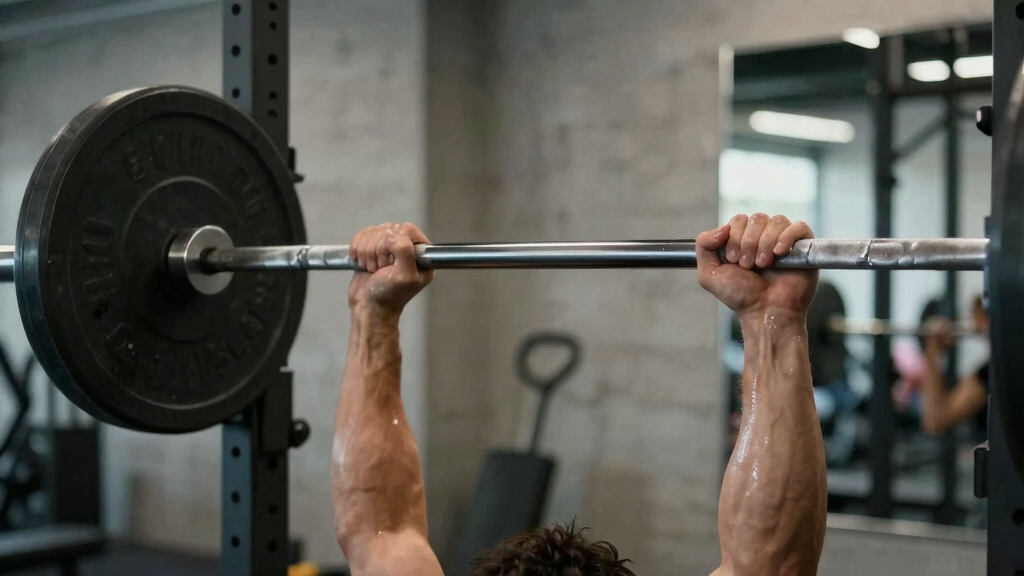
The individual, whose identity is not disclosed, explained that they initially desired a smaller physique, influenced by societal ideals of slimness. Over time, they began weight training and embracing a muscular, ‘jacked’ appearance, which transformed their self-esteem and sense of power.
According to the person, this change was driven by a desire to feel stronger and more confident, rather than conforming to external expectations. They report that adopting a muscular physique helped them reclaim control over their body image and mental health.
The story underscores a broader cultural shift where strength and muscularity are increasingly recognized as symbols of empowerment, challenging conventional notions of beauty and femininity/masculinity.
Why Embracing Muscularity Changes Self-Perception
This story matters because it illustrates how personal perceptions of body image can evolve, emphasizing strength and confidence over societal beauty standards. It highlights the importance of mental health and self-empowerment in body transformation journeys.
It also reflects a growing acceptance of muscularity as a positive attribute, countering stereotypes that associate being ‘jacked’ solely with masculinity or aggression. For many, this shift can foster greater self-acceptance and mental well-being.
Popular right now

Dyson Ball Animal 3 Upright Corded Vacuum

Vitamix VX1 Professional-Grade Blender, 64 oz, Black

Vitamix Touch & Go Advance 32-Ounce Bar Blender, White
As an affiliate, we earn on qualifying purchases.
Cultural Shifts Toward Strength and Body Positivity
In recent years, there has been increased visibility and acceptance of muscular physiques across genders, driven by social media, fitness communities, and changing cultural narratives. This has challenged traditional beauty standards that favored slimness or unathletic appearances.
The individual’s story echoes a broader movement where strength and muscularity are seen as symbols of empowerment, resilience, and health. Historically, societal pressures often promoted a slender ideal, but recent trends show a diversification of body ideals.
“I spent years wishing I was smaller, but learning to be ‘jacked’ gave me a new sense of power and confidence that I never knew I needed.”
— the individual
Uncertainties About Broader Adoption of Body Positivity
It remains unclear how widespread this shift is across different demographics or whether societal perceptions will continue to evolve favorably towards muscularity. The personal story reflects individual experience, but broader acceptance is still developing.
There is also ongoing debate about how media and cultural narratives influence perceptions of strength and beauty, and whether these perceptions will be sustained long-term.
Future Trends in Body Image and Personal Empowerment
As conversations about body positivity and mental health continue to grow, more individuals may feel empowered to pursue strength-based fitness and embrace muscularity. Fitness communities and social platforms are likely to play a role in shaping these perceptions further.
Researchers and advocates may also focus on promoting diverse body images and challenging stereotypes, fostering a more inclusive understanding of strength and beauty.
Key Questions
Why did the individual initially wish to be smaller?
The individual was influenced by societal ideals favoring slimness and perceived it as a standard of beauty and acceptability.
How did embracing muscularity change their self-perception?
They reported feeling more confident, empowered, and in control of their body image, which improved their mental health and overall well-being.
Is muscularity becoming more accepted for all genders?
Yes, social media and fitness culture are increasingly promoting muscularity as a positive attribute across genders, challenging traditional stereotypes.
What challenges remain for those embracing muscularity?
Societal stereotypes and media portrayals still influence perceptions, and some individuals may face stigma or misunderstanding about muscular bodies.
What are the next steps for promoting body positivity?
Efforts include expanding representation of diverse body types, encouraging mental health awareness, and fostering inclusive conversations around strength and beauty.
Source: rss