

The most overlooked part of leading across generations is prioritizing interpersonal communication and emotional intelligence over new tools or policies. You often focus on technical solutions, but building genuine connections and understanding unspoken needs are key to fostering trust and engagement. Tailoring your communication style to each generation’s preferences and showing empathy can transform your leadership. Keep exploring how softer skills can create stronger relationships—what you discover may change how you lead entirely.
Key Takeaways
- The importance of authentic, personalized interpersonal communication often gets overlooked in favor of technical or strategic leadership skills.
- Building emotional intelligence and trust is frequently neglected, yet they are crucial for cross-generational cohesion.
- Recognizing and adapting to individual communication preferences is more impactful than relying solely on generational stereotypes.
- Creating safe spaces for open dialogue and active listening fosters understanding beyond age-related differences.
- Emphasizing softer interpersonal skills can be overlooked but are essential for motivating and engaging diverse teams.

Have you ever wondered what often gets overlooked when leading across different generations? It’s easy to focus on shifting work styles or technological preferences, but the real challenge lies in the subtler art of interpersonal communication. While adapting to different values or expectations is important, the core of effective leadership across generations depends on how well you connect on a personal level. This is where interpersonal communication plays a crucial role. When you engage authentically, listen actively, and show genuine interest, you build trust that transcends age differences. Recognizing that each generation has its unique communication preferences allows you to tailor your approach, making your message clearer and more impactful.
Effective leadership across generations relies on authentic connection and tailored communication to build trust and understanding.
However, simply knowing about these differences isn’t enough. You need adaptive strategies that help bridge gaps and foster understanding. For example, younger team members might prefer quick, informal check-ins via messaging apps, while older colleagues may appreciate more structured, face-to-face conversations. By adjusting your communication style to meet their needs, you demonstrate empathy and respect, which encourages openness and collaboration. It’s important to avoid a one-size-fits-all approach because what works for one group might alienate another. Instead, you should be flexible—adapting your tone, medium, and timing based on the individual or team you’re working with. This agility shows that you value diverse perspectives, helping to overcome generational stereotypes or misunderstandings.
You also need to be mindful of the way you deliver feedback. Younger generations might respond better to constructive input framed positively and with an emphasis on growth, while older team members might prefer direct, straightforward communication. Recognizing these nuances and adjusting your approach accordingly helps prevent miscommunication and potential conflicts. Building strong relationships across generations requires patience and a genuine effort to understand where others are coming from. It’s about creating a safe space for open dialogue, where everyone feels heard and respected. This isn’t just about avoiding missteps; it’s about actively fostering an environment where diverse ideas thrive. Developing effective communication skills can significantly boost your ability to lead successfully across different age groups.
Additionally, understanding the importance of interpersonal communication and its role in building trust can significantly enhance your leadership effectiveness. When you focus on developing emotional intelligence, you become more attuned to the unspoken needs and feelings of your team members, which is crucial for cross-generational leadership. In the end, the most overlooked part of leading across generations isn’t just about adopting new tools or policies. It’s about investing in interpersonal communication and employing adaptive strategies that resonate with each individual. When you prioritize understanding and connection over assumptions, you set the stage for a more cohesive, innovative, and motivated team. The effort you put into these softer skills pays off in stronger relationships, higher engagement, and ultimately, more successful leadership across generational divides.

Emotional Intelligence 2.0
- Condition: Great condition
As an affiliate, we earn on qualifying purchases.
As an affiliate, we earn on qualifying purchases.
Frequently Asked Questions
How Do Generational Differences Influence Leadership Styles?
You recognize that generational differences shape leadership styles by influencing communication, motivation, and decision-making. By embracing intergenerational mentorship, you foster mutual learning and respect. Adaptive leadership helps you adjust your approach to meet diverse needs, ensuring everyone feels valued. Understanding these differences allows you to create inclusive environments where all generations thrive, strengthening your leadership effectiveness and promoting collaboration across age groups.
What Common Misconceptions Exist About Leading Multiple Generations?
Don’t judge a book by its cover; many believe that leading multiple generations is about managing age stereotypes, but that’s a misconception. People assume leadership biases automatically fade with age, yet biases often persist. You might think younger leaders lack experience, or older ones resist change, but these stereotypes oversimplify reality. Effective leadership across generations requires understanding individual strengths beyond age, breaking down these false assumptions to foster genuine collaboration.
How Can Leaders Bridge Communication Gaps Across Age Groups?
You can bridge communication gaps across age groups by focusing on interpersonal dynamics and technology adaptation. Recognize each generation’s preferred communication style and adapt your approach accordingly. Use clear, respectful language and actively listen to their perspectives. Embrace new technologies to facilitate collaboration, making sure everyone feels included. By understanding these factors, you foster trust, improve engagement, and create a cohesive environment where all generations can thrive together.
What Role Does Emotional Intelligence Play in Multigenerational Leadership?
Emotional intelligence is essential in multigenerational leadership because it helps you understand and connect with diverse team members. By focusing on empathy development and engaging in self-awareness training, you improve your ability to recognize your emotions and those of others. This fosters trust and collaboration across generations, enabling you to navigate differences effectively. Ultimately, emotional intelligence strengthens your leadership, creating a more inclusive, resilient, and motivated team.
How Can Organizations Foster Inclusive Leadership Across Generations?
Imagine a vibrant garden where diverse generations bloom together. To foster inclusive leadership, you should promote intergenerational mentorship, connecting experienced voices with fresh perspectives. Encourage inclusive decision-making by creating open forums where everyone’s ideas matter. By nurturing these practices, you cultivate a culture where all ages feel valued, inspiring collaboration and innovation. This approach turns your organization into a thriving ecosystem, resilient and rich with shared wisdom and new growth.
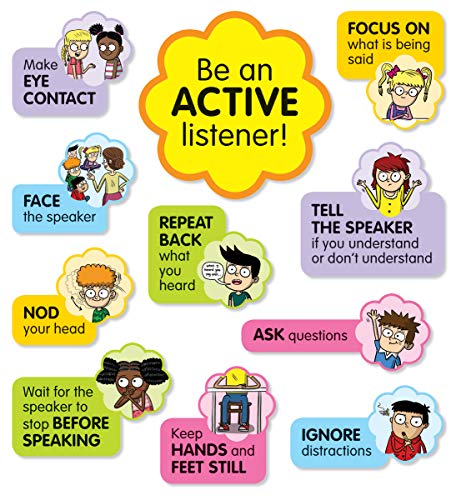
Bulletin Board: Active Listening
- Purpose: Supports social-emotional learning
- Design: Bright and colorful
- Type: Interactive bulletin board
As an affiliate, we earn on qualifying purchases.
As an affiliate, we earn on qualifying purchases.
Conclusion
If you ignore this vital part of leading across generations, you’ll risk causing chaos on a scale so epic, it could make history books tremble! Think about it: overlooking this one element could turn your leadership journey into a disaster movie, with you as the unwitting star. Don’t let that happen. Embrace this overlooked secret, master it, and watch your cross-generational leadership soar to heights so incredible, they’ll be legendary for ages!
As an affiliate, we earn on qualifying purchases.
As an affiliate, we earn on qualifying purchases.