

Handling leadership loneliness starts with building trust and genuine relationships within your team through consistency, transparency, and integrity. Focus on developing emotional resilience to handle setbacks and pressure calmly. Remember, seeking support from mentors or peers can create a crucial network of encouragement and advice. By strengthening your internal resilience and fostering trust, you turn isolation into collaboration. If you want practical ways to create that support system, discover more strategies that can help you lead with confidence.
Key Takeaways
- Build genuine relationships through transparency, consistency, and integrity to foster trust and reduce feelings of isolation.
- Seek support from mentors, peers, or professional networks to share challenges and gain perspective.
- Develop emotional resilience by practicing self-awareness, mindfulness, and maintaining a growth mindset.
- Focus on internal strength and trust in yourself to handle tough decisions confidently.
- Prioritize creating a community of support that emphasizes collaboration and shared purpose over solitary leadership.

Leadership can be a lonely journey, especially when you’re making tough decisions that others may not understand or support. It’s a path filled with pressure, responsibility, and often, a sense of isolation. But one of the most essential skills you can develop is building trust—not just with your team but also within yourself. When you foster genuine relationships and demonstrate consistency, transparency, and integrity, others are more likely to confide in you and offer support. Building trust takes time, but it’s the foundation that can turn a lonely leadership experience into one filled with collaboration and shared purpose. As you work on building trust, you’ll find that your emotional resilience also strengthens. Emotional resilience is what allows you to bounce back from setbacks, handle criticism, and stay focused amid chaos. It’s indispensable because leadership inevitably comes with tough moments, and your ability to stay composed influences those around you. When you’re emotionally resilient, you can manage stress better, make clearer decisions, and project confidence—even in uncertain times. This resilience isn’t something you’re born with; it’s cultivated through deliberate practices like self-awareness, mindfulness, and developing a growth mindset. Recognizing your emotional triggers and learning how to regulate your responses will help you maintain a steady course, even when external pressures threaten to overwhelm you. Building trust and emotional resilience go hand in hand. The more you trust yourself to handle difficult situations, the more your team will trust you. Conversely, when you’re resilient, you’re better equipped to handle the emotional toll that leadership can take, preventing burnout and feelings of isolation from taking over. Incorporating such skills into your leadership approach can also improve your capacity to make strategic decisions and adapt to change more effectively. As you navigate decision-making, remember that transparency and consistency are your allies—they show your team that you’re dependable, which in turn fosters trust. Also, don’t hesitate to seek support from mentors, peers, or professional networks. Sharing your experiences and challenges can lessen feelings of loneliness and provide new perspectives. Remember, leadership doesn’t mean you have to do it all alone. By consciously working on building trust and strengthening your emotional resilience, you create a support system that sustains you. This support doesn’t just come from others; it’s built from your own inner strength and integrity. When you prioritize these elements, you’ll find that handling leadership loneliness becomes less about facing it solo and more about creating a community of trust and resilience that uplifts everyone involved.

FLASHFORGE Adventurer 5M 3D Printer with Fully Auto Leveling, Max 600mm/s High Speed Printing, 280°C Direct Extruder with 3S Detachable Nozzle, CoreXY All Metal Structure, Print Size 220x220x220mm
One-Click Automatic Printing: Experience hassle-free 3D printing with the Adventurer 5M Series. Enjoy automatic bed leveling for flawless...
As an affiliate, we earn on qualifying purchases.
Frequently Asked Questions
How Can Leaders Build Genuine Peer Support Networks?
You can build genuine peer support networks by actively seeking out peer mentorship and forming informal alliances with trusted colleagues. Engage in open conversations, share your challenges, and listen to theirs. Attend industry events or join leadership groups to connect regularly. Foster trust through consistency and confidentiality, making these alliances a safe space for honest feedback. Over time, these genuine relationships will provide the support you need at the top.
What Are Common Signs of Loneliness Among Executives?
You often feel isolated, with executive isolation making it hard to share concerns openly. Signs of loneliness include a sense of leadership solitude, emotional distance from your team, and difficulty trusting others with your struggles. You might notice increased stress, fatigue, or a lack of genuine connection. Recognizing these signs helps you address leadership solitude early, allowing you to seek support and build meaningful relationships to combat feelings of loneliness.
How Does Leadership Loneliness Impact Organizational Performance?
Leadership loneliness can hinder your emotional resilience and decision-making agility, impacting organizational performance. When you’re isolated, you may struggle to adapt quickly and maintain clarity under pressure. This can lead to poor choices, reduced team morale, and decreased productivity. To counteract this, seek support and foster connections that strengthen your resilience, ensuring you stay agile and effective in guiding your organization through challenges.
Are There Specific Activities That Help Reduce Leadership Isolation?
You can reduce leadership isolation through activities like mentorship programs and peer mentoring. Engaging in regular peer discussions helps you share challenges and gain new perspectives, making you feel less alone. Mentorship programs connect you with experienced leaders who offer guidance and support. These activities foster relationships, boost your confidence, and create a sense of community, ultimately helping you navigate leadership loneliness more effectively and improve your organizational impact.
When Should a Leader Seek Professional Mental Health Support?
Think of your mind as a garden; without proper care, weeds of stress can overrun it. You should seek professional mental health support when you notice persistent feelings of overwhelm, emotional exhaustion, or difficulty maintaining your mental clarity. These moments signal mentality shifts that threaten your resilience. Prioritizing support helps you nurture emotional resilience, ensuring you stay strong and focused at the top, rather than succumbing to leadership loneliness.

AOSEED 3D Printer for Kids, AI-Powered Fully Assembled 3D Printer with Up to 400mm/s Speed, Auto Leveling, 1500+ Models & 16+ Modules, Includes 8 PLA Filaments for Home and School Use, X-MAKER JOY AI+
AI-Powered Creativity Made Easy: The AOSEED X-MAKER JOY AI+ is an AI 3D printer that helps kids bring...
As an affiliate, we earn on qualifying purchases.
Conclusion
Leadership loneliness can feel overwhelming, but it doesn’t have to stay that way. The support you seek might be closer than you think, waiting just beyond your comfort zone. Are you willing to reach out and discover who’s truly there for you? The next step could change everything—if you take it. Don’t let loneliness define your journey. The real breakthrough might be just one decision away. Will you make it now?
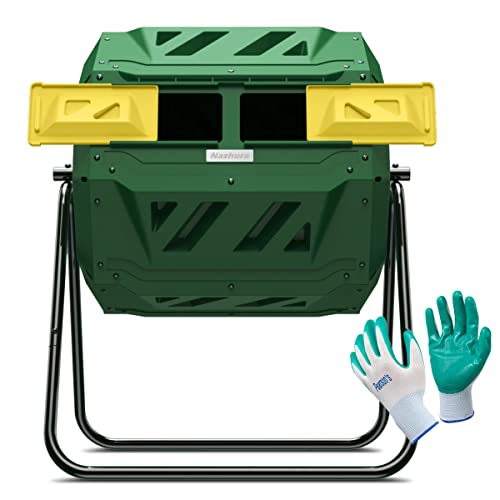
Compost Tumbler Bin Composter Dual Chamber 43 Gallon (Bundled with Pearson's Gardening Gloves)
✅Speed Up Composing Process: More advanced models use rotating to bring oxygen to the center of the bin...
As an affiliate, we earn on qualifying purchases.

MAZE Two Stage 65 gal Compost Tumbler with Large Double Doors and Open Frame and Comes with Maze Compost Cart, 1.85 Gal Kitchen Caddie Compost Bin, 3 Rolls of Corn Bags and a Retractable Plant Caddie
Composter: 65 gallon capacity drum; Extra Large double doors, Made from UV high impact plastic; Large open frame...
As an affiliate, we earn on qualifying purchases.