

Leadership agility is vital in today’s fast-changing world. To adapt your style, focus on developing emotional intelligence, which helps you recognize and manage your emotions while understanding others’. Stay flexible by being open to feedback and ready to pivot when needed. Maintain calm decision-making under pressure and adjust your communication to address team needs. Cultivating these skills will boost your effectiveness—discover more strategies to strengthen your leadership in dynamic environments.
Key Takeaways
- Cultivate emotional intelligence to recognize team needs and adjust your communication style accordingly.
- Stay open to feedback and challenge assumptions to enhance adaptability and leadership flexibility.
- Assess situations quickly, incorporating both emotional cues and factual data to inform decisions.
- Use supportive strategies to foster resilience and navigate change effectively within your team.
- Develop self-awareness and resilience to pivot approaches and lead confidently through uncertainty.

Have you ever wondered what sets truly effective leaders apart in today’s fast-changing world? It often boils down to their ability to adapt their leadership style to meet new challenges head-on. This adaptability is at the core of leadership agility. When you cultivate this quality, you become better equipped to handle uncertainty, foster innovation, and inspire your team. One of the foundational skills you need to develop is emotional intelligence. Recognizing and managing your own emotions, while understanding others’, enables you to respond thoughtfully rather than react impulsively. Emotional intelligence enhances your decision-making process because it allows you to assess situations more holistically. Instead of relying solely on logic, you consider the emotional undercurrents influencing your team and stakeholders. This awareness helps you make more informed, empathetic decisions that garner trust and foster collaboration.
In a rapidly changing environment, decisions often need to be made quickly, but that doesn’t mean you should sacrifice quality for speed. Your ability to stay calm under pressure, assess all relevant factors, and adapt your approach as new information surfaces is essential. When you incorporate emotional intelligence into your decision-making, you’re better at gauging how your choices will affect your team’s morale and motivation. You learn to read between the lines, noticing subtle cues that might signal resistance or confusion. This insight allows you to adjust your communication style or the decision itself, ensuring you maintain engagement and buy-in. Additionally, using comfort and support solutions can help your team navigate challenges more effectively, fostering a resilient and adaptable work environment.
Leadership agility also requires you to be flexible in your thinking. You need to be open to feedback, willing to challenge your own assumptions, and ready to pivot when necessary. The more emotionally intelligent you are, the easier it becomes to accept constructive criticism and use it as a tool for growth. As you develop these skills, you’ll find it easier to navigate complex situations where clear-cut answers are rare. You’ll be able to weigh the emotional landscape alongside factual data, making decisions that are not only strategic but also considerate of your team’s needs.
Ultimately, your capacity to adapt your leadership style hinges on your emotional intelligence and your decision-making acumen. By honing these skills, you create a resilient, responsive leadership approach capable of thriving amid change. This agility empowers you to lead with confidence, inspire trust, and steer your team successfully through any turbulence that comes your way.
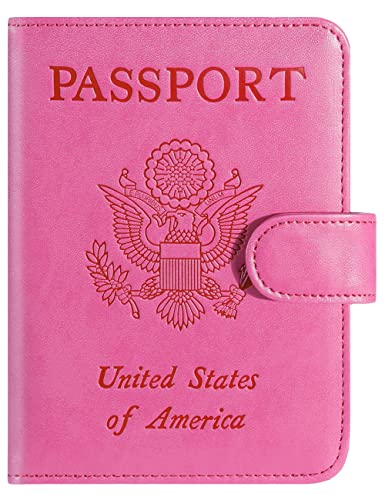
Passport Holder Cover Wallet RFID Blocking Leather Card Case Travel Accessories for Women Men (Pink)
【CLASSIC VERSION / HIGH-QUALITY】 - We are a team of 28 experienced craftsmen with more than 10 years'...
As an affiliate, we earn on qualifying purchases.
Frequently Asked Questions
How Can Leaders Identify Their Current Leadership Style?
You can identify your current leadership style by using self-assessment tools and gathering feedback mechanisms. Reflect on your behavior, decision-making, and communication patterns through these tools. Seek honest feedback from colleagues, team members, or mentors to gain insights into how you lead. This combination helps you understand your strengths and areas for growth, enabling you to adapt your leadership style to meet changing circumstances effectively.
What Are Common Barriers to Developing Leadership Agility?
Imagine climbing a ladder with each rung representing a barrier. Common obstacles include rigid mindsets, where you resist change, and fear of vulnerability. To break through, you need mindset shifts that open you to new perspectives. Feedback loops act as your safety harness, guiding your growth. Without embracing these, developing leadership agility stalls, leaving you stuck. Overcoming these barriers helps you adapt swiftly to change, like a chameleon blending into new environments.
How Does Emotional Intelligence Influence Adaptable Leadership?
Emotional intelligence plays a vital role in adaptable leadership by enhancing your emotional awareness and empathy development. When you understand your own emotions and recognize others’ feelings, you can respond more flexibly to changing circumstances. This awareness helps you build trust, foster collaboration, and adjust your approach effectively. By strengthening these skills, you become more responsive, resilient, and capable of leading through uncertainty with confidence and compassion.
Can Leadership Agility Be Learned or Is It Innate?
Think of leadership agility as a muscle you can strengthen. Yes, it can be learned. Your leadership mindset fuels your adaptability skills, allowing you to flow with change like a river carving new paths. With intentional effort, practice, and openness, you develop the flexibility needed to navigate shifting landscapes. You don’t have to be born with it; you can cultivate leadership agility and transform challenges into opportunities for growth.
What Role Does Organizational Culture Play in Leadership Adaptability?
Organizational culture shapes your leadership adaptability by embedding organizational values that influence behaviors and decision-making. When these values support innovation and flexibility, you find it easier to adapt. However, cultural resistance can hinder your efforts, making change difficult. To succeed, you need to understand and navigate these cultural nuances, aligning your leadership style with organizational values while overcoming resistance to foster a more adaptable environment.

Forvencer Passport Holder Cover with Safe Zipper Closure, Premium Passport Wallet for Travel, Cute RFID Blocking Card Case, Waterproof Travel Accessories for Women, Black
Zipper Closure for Extra Security: This passport holder features a secure zipper to keep your cards, money, and...
As an affiliate, we earn on qualifying purchases.
Conclusion
In today’s fast-paced world, embracing leadership agility is essential. By adapting your style—whether shifting from directive to collaborative—you stay relevant and effective. Imagine leading a team through a sudden market shift; by quickly embracing new strategies and encouraging innovation, you turn challenges into opportunities. Remember, agility isn’t just a skill; it’s a mindset that keeps you resilient. Stay flexible, keep learning, and lead confidently through change.
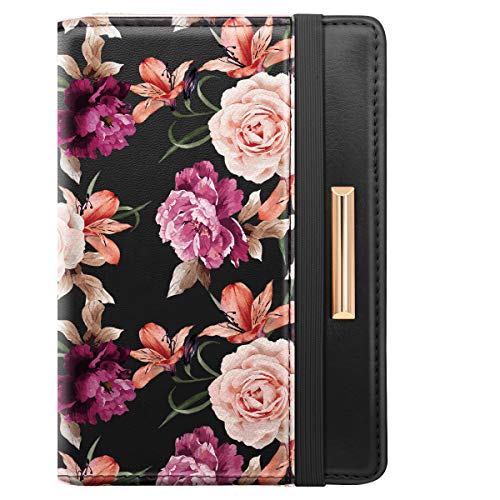
Passport Holder Cover RFID Blocking Cute Slim Travel Passport Wallet for Women,Black
★【Multifunction Passport Cover】:Coco Rossi Multifunction Passport holder cover for women,features 1 passport holder,4 card slots,1 cash holder (also...
As an affiliate, we earn on qualifying purchases.

FINTIE Passport Holder, Slim Travel Wallet RFID Blocking Card Case Cover Passport Cover Protector Essentials with Credit Card Slots for Women/Men, Denim Charcoal Brown
Durable and Soft: The passport holder is made of synthetic leather both on the exterior and interior. This...
As an affiliate, we earn on qualifying purchases.