

You’ll find that clarity beats charisma every time because it builds trust and reduces misunderstandings. When you communicate clearly, your team understands expectations and stays motivated, fostering loyalty and confidence. Charisma might get attention temporarily, but clarity creates lasting influence and strong relationships. People respect leaders who are transparent and straightforward, making influence sustainable. If you want to understand how clear, honest communication can transform your leadership, keep exploring this powerful approach.
Key Takeaways
- Clarity builds trust and understanding, forming a stronger foundation than superficial charm.
- Clear communication ensures consistent expectations, fostering long-term loyalty and credibility.
- Clarity reduces misunderstandings, increasing team cohesion and effective collaboration.
- Transparent messages guide organizations through change, minimizing resistance and confusion.
- Enduring leadership relies on clarity to establish credibility, while charisma offers only temporary attention.

Have you ever wondered why some leaders succeed not because they charm the room but because they communicate clearly? It’s because effective communication creates a foundation of trust and understanding that charisma alone can’t match. When you prioritize clarity, your messages become easier for others to grasp, making your leadership influence stronger and more sustainable. Communication effectiveness isn’t just about speaking well; it’s about ensuring your ideas resonate and inspire action. Leaders who focus on clarity remove ambiguity, so everyone on your team knows exactly what’s expected, what the goals are, and how to contribute. This transparency builds confidence and reduces misunderstandings, which can derail progress.
Charisma might turn heads in the short term, but clarity secures long-term loyalty and commitment. When your words are precise and straightforward, you eliminate confusion, and that clarity demonstrates respect for your team’s time and intelligence. It’s a sign that you value their understanding and are committed to guiding them effectively. As a result, your leadership influence grows because people feel more confident and motivated under your guidance. They’re less likely to second-guess your intentions or get distracted by misinterpreted messages. Instead, they trust your direction because it’s clear, consistent, and actionable.
Clear and straightforward words build trust, boost confidence, and foster lasting leadership influence.
You’ll find that sharpening your communication effectiveness enhances your ability to lead through change. Clear messages cut through noise and help others see the bigger picture. When you communicate with precision, you reduce resistance and foster cooperation. People are more willing to follow someone whose instructions make sense and who consistently articulates their vision without confusion. This ability to be understood also improves teamwork, as everyone can align their efforts toward shared objectives. Your influence isn’t dependent on charm or superficial appeal—it’s rooted in your capacity to convey ideas clearly and convincingly. Recognizing the importance of effective communication can elevate your leadership to new heights. Moreover, developing this skill is crucial for building trust and establishing a strong organizational culture.
Additionally, understanding the role of biodiversity in sustaining ecosystems reminds us that clarity in communication is essential for collaboration and conservation efforts. In complex organizations, clear communication acts as a guiding principle that aligns diverse teams toward a common goal. Ultimately, clarity empowers you to lead with confidence, not just with charisma. It’s about creating a culture where transparency and understanding are the norms. When you make your points clear and your intentions transparent, you build a reputation as a leader who is dependable and effective. This consistency in communication earns respect and trust over time, making your leadership influence more impactful and enduring. Charisma might turn heads temporarily, but clarity holds the keys to lasting leadership success.

Writing That Works; How to Communicate Effectively In Business
- Effective Business Communication: Craft emails, memos, and letters that get read and acted upon
- Persuasive Proposals and Presentations: Create proposals and presentations that sell ideas
- Action-Oriented Reports and Plans: Develop plans and reports that drive results
As an affiliate, we earn on qualifying purchases.
As an affiliate, we earn on qualifying purchases.
Frequently Asked Questions
How Does Clarity Improve Long-Term Decision-Making?
Clarity improves your long-term decision-making by sharpening your strategic focus and reducing cognitive complexity. When you’re clear about your goals and priorities, you make consistent choices aligned with your vision. Cognitive simplicity helps you avoid distractions and impulsive actions, ensuring you stay on course. This steady focus leads to better outcomes over time, as you’re less likely to be swayed by fleeting trends or emotional reactions.
Can Charisma Compensate for Lack of Clarity in Leadership?
Charisma alone can’t compensate for a lack of clarity in leadership, especially when it comes to personal branding and emotional intelligence. Without clarity, your message may seem inconsistent, confusing your team and undermining trust. Charisma might attract attention temporarily, but emotional intelligence and clear communication build genuine connections and inspire confidence. Ultimately, clarity guarantees your leadership remains authentic and effective, making your influence sustainable beyond just charm.
What Are Common Barriers to Achieving Clarity?
Coincidences often reveal hidden barriers to clarity. You might struggle with perception biases that distort your understanding or get caught in emotional distractions that cloud your judgment. These barriers make it hard to communicate clearly and set a unified direction. To overcome them, you need to consciously challenge assumptions and create space for focused thinking. Recognizing these obstacles is the first step toward achieving true clarity in your leadership.
How Does Clarity Influence Team Productivity?
Clarity boosts your team’s productivity by enhancing communication effectiveness and ensuring everyone understands their roles and goals. When you communicate clearly, team members can focus on their tasks without confusion or misinterpretation. This goal alignment minimizes errors and accelerates decision-making, leading to a more efficient workflow. Ultimately, clarity creates a cohesive environment where your team operates smoothly, boosting overall performance and achieving objectives faster.
Is Clarity More Important Than Charisma in Sales Success?
Clarity is more important than charisma in sales success because it strengthens your persuasion techniques and builds trust. When you communicate clearly, you make it easier for prospects to understand the value you offer, reducing confusion and resistance. While emotional appeal matters, clarity ensures your message is compelling and credible. You can charm a crowd, but without clarity, your persuasive efforts fall flat. Clear communication ultimately drives more consistent sales results.
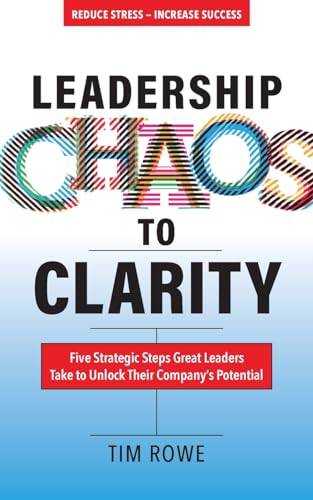
Leadership Chaos to Clarity: Five Strategic Steps Great Leaders Take to Unlock Their Company’s Potential
As an affiliate, we earn on qualifying purchases.
As an affiliate, we earn on qualifying purchases.
Conclusion
Remember, clarity is like a lighthouse guiding ships through foggy waters—steadfast and reliable. Charisma may turn heads, but without clear direction, it’s like a boat without a rudder: destined to drift aimlessly. When you communicate with clarity, you’re planting seeds in fertile soil, nurturing trust and understanding. So, embrace clarity as your compass, and watch your influence grow steadily, outlasting fleeting waves of charisma. After all, true leadership is about guiding others home, not just catching their attention.

160 Team Building Cards for Managers – Build Trust & Improve Team Performance – 4 Categories from Light Icebreakers to Strategic Team Questions – For Meetings & 1-on-1s | Say This Not That Cards
- Work-Safe and Unscreened: Tested with real teams, no awkward questions
- Four Strategic Categories: Organized by connection level for easy selection
- Color-Coded for Convenience: Instantly identify card categories by color
As an affiliate, we earn on qualifying purchases.
As an affiliate, we earn on qualifying purchases.

As an affiliate, we earn on qualifying purchases.