
Understanding true altruism means recognizing when kindness comes from genuine concern and moral duty, not selfish motives. When actions prioritize others’ needs over personal gain, they reflect an authentic moral compass. Countless acts create a ripple effect, strengthening trust and fostering societal harmony. If you want to explore how moral motivations influence kindness and the difference between selfish and selfless acts, keep exploring the deeper layers behind altruistic behaviors.
Key Takeaways
- True altruism is driven by genuine concern and moral duty, prioritizing others’ needs over personal gain.
- Selfish acts may appear altruistic but are motivated by self-benefit, such as approval or emotional satisfaction.
- Understanding subconscious cues, like dream symbols, can reveal whether kindness stems from true altruism or self-interest.
- Genuine acts of kindness foster societal trust, cooperation, and empathy, creating a positive ripple effect.
- The line between selfless and selfish motives can blur, but authentic altruism aligns with an internal moral compass.

What truly motivates acts of kindness? It’s a question that often leaves us pondering whether people act out of genuine concern or if there’s an underlying selfish reason. When you think about moral motivations, it becomes clear that many acts of altruism are driven by an internal sense of right and wrong. You might feel compelled to help someone simply because you believe it’s the morally correct thing to do. This sense of moral duty fuels your actions, making kindness feel like an intrinsic part of your character rather than a mere response to external rewards. It’s this moral motivation that often guides individuals to go beyond personal comfort, risking their own wellbeing for the benefit of others. These acts, rooted in a deep sense of morality, also shape the societal impact of kindness. When you act out of genuine concern, you contribute to creating a more compassionate community. Others observe your actions and may feel inspired to follow suit, therefore amplifying the societal impact of one person’s moral motivations. Over time, such acts foster trust, cooperation, and social cohesion, laying the groundwork for a more empathetic society.
Additionally, understanding the role of dream symbols in subconscious expression can offer insights into your true motivations and emotional state, enriching your understanding of altruistic behaviors. However, it’s essential to recognize that the line between true altruism and self-interest can sometimes blur. Some might argue that even moral motivations have an element of self-benefit—like feeling good about oneself, gaining social approval, or avoiding guilt. Yet, when your actions are primarily aimed at improving the lives of others, regardless of personal gain, you’re experiencing a form of true altruism. It’s about prioritizing the needs of others over your own desires, driven by an authentic moral compass. This selflessness often results in a ripple effect: your kindness encourages others to act similarly, strengthening the societal fabric. The societal impact of true altruism can be profound, fostering a culture where helping others becomes a shared value. When you act out of genuine concern, you not only make a difference in someone’s life but also set a powerful example that can inspire a collective movement toward greater compassion.
In the end, understanding true altruism involves recognizing that moral motivations are at the core of many acts of kindness. Whether driven by a sense of moral duty or a desire to positively influence society, these actions create a ripple effect that benefits everyone. You might hesitate to label your kindness as purely selfless, but the societal impact of genuine altruism is undeniable. It nurtures trust, encourages cooperation, and helps build a world where compassion isn’t just an ideal but a daily reality.

SigMntun Healing Crystals in Jars 16 PCS, Christmas Gift for Women, Polished Crystal Chips, Trinkets and Gem Stones Set for Witchcraft Supplies, Mini Gemstones, Beginner Crystal Kit
[Great Gift Idea – Crystals in a Beautiful Gift Box] This gemstone set includes 16 mini jars filled...
As an affiliate, we earn on qualifying purchases.
Frequently Asked Questions
Can True Altruism Exist Without Any Personal Gain?
Yes, true altruism can exist without any selfish motives. When you help others out of genuine concern, you’re acting selflessly, not expecting personal gain. Your actions are driven by compassion and a desire to make a difference, rather than any hidden benefit. While some argue selfish motives may influence kindness, genuine concern allows you to act purely for others’ well-being, embodying true altruism.
How Do Cultural Differences Influence Perceptions of Altruism?
You might find it fascinating that 65% of people believe altruism varies considerably across cultures. Cultural norms heavily influence how you perceive altruism; what’s seen as selfless in one society could be viewed differently elsewhere. Moral relativism plays a key role, shaping your understanding of acts of kindness. So, your view of altruism isn’t universal—it’s shaped by the cultural lens through which you interpret others’ actions.
Is Altruism Always Motivated by Genuine Concern?
Altruism isn’t always driven by genuine concern; sometimes, your motivational motives stem from moral dilemmas or personal gains. You might act selflessly to feel good about yourself or to gain social approval. While some acts are truly selfless, others are influenced by internal conflicts or external pressures. Recognizing these motives helps you understand that genuine concern isn’t always the sole reason behind altruistic behavior.
What Neurological Factors Are Involved in Altruistic Behavior?
Your brain is like a symphony, with neural pathways and brain chemistry orchestrating altruistic acts. When you feel compelled to help others, it’s often driven by activity in regions like the ventral striatum and prefrontal cortex. Neurotransmitters like oxytocin and dopamine play key roles, reinforcing feelings of reward and connection. These neurological factors turn compassion into a powerful, automatic response, making selfless acts feel natural and fulfilling.
Can Altruism Be Cultivated or Developed Intentionally?
Yes, you can cultivate altruism intentionally by applying principles from motivational psychology and moral development. You might start by practicing empathy, recognizing others’ needs, and engaging in acts of kindness regularly. Reflecting on moral values helps reinforce altruistic behavior, making it more natural. Over time, these deliberate efforts strengthen neural pathways associated with compassion, enabling you to develop a more selfless outlook and foster genuine concern for others.

Crystals and Healing Stones Premium Kit Wooden Box - Chakra Stones Healing Crystals Set, Rose Quartz, Amethyst Cluster, Quartz Points, Chakra Pendulum (A Essential Chakra Collection)
NATURAL CRYSTALS AND HEALING STONES KIT – The Essential Healing Crystal Sets Gemstones is the best value for...
As an affiliate, we earn on qualifying purchases.
Conclusion
Ultimately, true altruism is like a lighthouse guiding ships through darkness. It shines brightly, not for recognition, but to lead others safely, even if it means risking your own comfort. When you act selflessly, you become that guiding light, illuminating kindness in a world that often overlooks it. Remember, the most genuine acts of giving are those that radiate from a sincere desire to help, not from the need for praise. Stay that beacon of compassion.

Crystals and Healing Stones Set 31Pcs - Healing Crystals & Stones - 14 Real Raw Chakra Rocks, 7 Gemstones Bottles, 3 Essential Oils,Pendant Necklace, Pendulum Board, Amethyst Cluster, Bracelet & Guide
𝐀𝐋𝐋-𝐈𝐍-𝟏 – 14 authentic stones of 1-1.5 inch, 7 small gemstone bottles of 0.87x1.57 inch, 3 essential oils,...
As an affiliate, we earn on qualifying purchases.
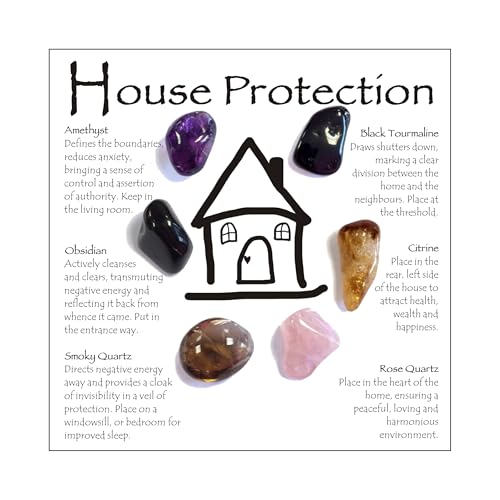
House Protection Crystal Set – Home Protection Crystals for Negative Energy Removal, EMF Cleansing & Spiritual Blessing – New Home Gift, Housewarming Kit, Healing Stones
New Home Gift for Friends -- Want to cleanse and protect your home while inviting positivity and harmony?...
As an affiliate, we earn on qualifying purchases.