

True altruism is truly selfless. It stems from genuine moral motivation and empathy, not from personal gain or external rewards. When you act out of compassion and a desire to help others, your actions reflect inner values rather than selfish interests. Developing and understanding your empathy and moral sense deepens your ability to act altruistically. If you want to explore how these qualities shape authentic kindness, there’s much more to discover.
Key Takeaways
- True altruism is driven by moral motivation and genuine empathy, not external rewards or self-interest.
- Developing empathy deepens emotional connections, making helping behaviors more authentic and selfless.
- Moral responsibility and internal values guide genuine acts of kindness, even without external recognition.
- Altruistic actions are part of an ongoing process of moral and emotional growth toward authentic compassion.
- Genuine altruism benefits others selflessly, rooted in internal moral and emotional commitment rather than selfish motives.

What truly motivates acts of kindness? You might think it’s purely about feeling good or avoiding guilt, but often, it’s deeper than that. At the heart of genuine altruism lies moral motivation—the internal drive to do the right thing because you believe in fairness, compassion, and the well-being of others. When your actions stem from moral motivation, they aren’t driven by external rewards but by an authentic sense of duty. You recognize that helping someone isn’t just a nice gesture; it’s a moral obligation rooted in your values. This sense of moral responsibility pushes you to act even when no one is watching or when it’s inconvenient. It’s this internal compass that separates fleeting kindness from true altruism.
Developing empathy plays a vital role in nurturing moral motivation. As you develop empathy, you begin to see the world from others’ perspectives, feeling their joys and pains as if they were your own. This emotional connection fuels your desire to help, not out of obligation alone but because you genuinely understand their needs. Empathy development makes acts of kindness feel personal and meaningful—you’re not just performing a duty, but responding to someone’s suffering or happiness with heartfelt concern. It’s this emotional resonance that often transforms a simple gesture into a genuine act of altruism. When you empathize deeply, helping becomes less about external expectations and more about an intrinsic urge to alleviate suffering or share in happiness.
Moreover, this process of moral motivation and empathy development is ongoing. You constantly refine your understanding of what it means to be kind and compassionate. As you grow, your motivations become more aligned with authentic altruism. You start recognizing that true kindness isn’t about self-interest or appearances; it’s about a sincere desire to improve others’ lives, motivated by an internal sense of morality. This conscious awareness deepens your empathy, making your acts of kindness more consistent and heartfelt. Additionally, understanding the importance of trustworthiness can reinforce your commitment to genuine acts of kindness. Over time, you realize that the more you develop your moral motivation and empathy, the more natural and effortless your acts of altruism become. It’s a cycle—by caring more deeply, you’re motivated to act more morally, which in turn further enhances your capacity for genuine kindness. In this way, understanding true altruism involves recognizing that moral motivation and empathy development are intertwined, guiding you toward selfless acts that truly benefit others without expecting anything in return.

SigMntun Healing Crystals in Jars 16 PCS, Christmas Gift for Women, Polished Crystal Chips, Trinkets and Gem Stones Set for Witchcraft Supplies, Mini Gemstones, Beginner Crystal Kit
[Great Gift Idea – Crystals in a Beautiful Gift Box] This gemstone set includes 16 mini jars filled...
As an affiliate, we earn on qualifying purchases.
Frequently Asked Questions
Can True Altruism Exist Without Expecting Any Reward?
Yes, true altruism can exist without expecting any reward. When your motivational factors are purely ethical, like genuine compassion or a desire to help others, you act selflessly. You don’t seek recognition or benefits; instead, your actions are driven by a sincere concern for others’ well-being. This form of altruism reflects a deep commitment to moral principles, showing that genuine kindness often comes from within, not from external rewards.
How Do Cultural Differences Influence Perceptions of Altruism?
You see that cultural differences greatly shape how people perceive altruism. Cross-cultural norms influence whether helping others is seen as genuine or obligatory, while moral relativity suggests what’s considered altruistic in one culture might differ elsewhere. You might find that in some societies, selflessness is highly valued, whereas in others, mutual benefit or social harmony takes precedence. Recognizing these differences helps you understand the diverse ways altruism is expressed worldwide.
Is There a Biological Basis for Altruistic Behavior?
You might think altruism is purely a choice, but there’s a biological basis behind it. Evolutionary advantage plays a role, encouraging behaviors that benefit others and boost survival. Brain circuitry, especially regions linked to empathy and reward, lights up during altruistic acts. It’s like an internal compass guiding you toward helpful actions, showing that your motivation could be wired into your biology, not just your conscience.
Can Self-Interest Ever Be Compatible With Genuine Altruism?
Yes, self-interest can align with genuine motives through the self-interest paradox, where helping others also benefits you. When your actions create a sense of fulfillment or social connection, they reflect authentic altruism. You might find that your desire to support others is intertwined with personal growth or happiness, proving that self-interest and genuine altruism aren’t mutually exclusive but can coexist, enriching both your life and those you help.
How Does Altruism Impact Mental Health and Well-Being?
Altruism can skyrocket your mental health, turning everyday moments into giant waves of emotional resilience and floods of social support. When you help others, you build a fortress of purpose and connection that shields you from life’s storms. This selfless act creates a ripple effect, boosting your happiness and reducing stress. Essentially, giving not only uplifts others but transforms your own well-being into a powerhouse of positivity.

Crystals and Healing Stones Premium Kit Wooden Box - Chakra Stones Healing Crystals Set, Rose Quartz, Amethyst Cluster, Quartz Points, Chakra Pendulum (A Essential Chakra Collection)
NATURAL CRYSTALS AND HEALING STONES KIT – The Essential Healing Crystal Sets Gemstones is the best value for...
As an affiliate, we earn on qualifying purchases.
Conclusion
You might think true altruism is impossible, that everyone’s actions are selfish at heart. But by recognizing genuine kindness in others—and in yourself—you see that selflessness can exist without hidden motives. It’s not about denying your needs but choosing to act kindly anyway. Embracing this shifts your perspective: altruism isn’t about perfection but about aiming to help others, even when it benefits you. That’s where real kindness truly begins.

Crystals and Healing Stones Set 31Pcs - Healing Crystals & Stones - 14 Real Raw Chakra Rocks, 7 Gemstones Bottles, 3 Essential Oils,Pendant Necklace, Pendulum Board, Amethyst Cluster, Bracelet & Guide
𝐀𝐋𝐋-𝐈𝐍-𝟏 – 14 authentic stones of 1-1.5 inch, 7 small gemstone bottles of 0.87x1.57 inch, 3 essential oils,...
As an affiliate, we earn on qualifying purchases.
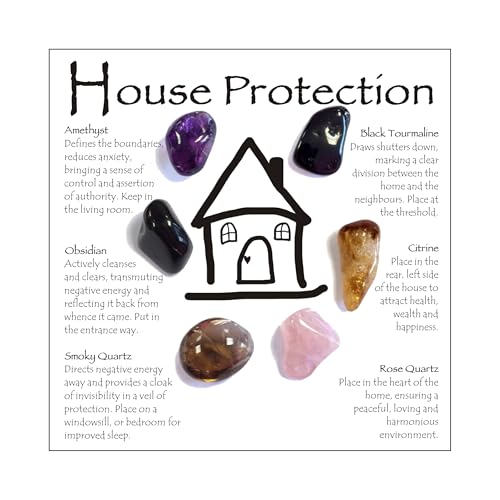
House Protection Crystal Set – Home Protection Crystals for Negative Energy Removal, EMF Cleansing & Spiritual Blessing – New Home Gift, Housewarming Kit, Healing Stones
New Home Gift for Friends -- Want to cleanse and protect your home while inviting positivity and harmony?...
As an affiliate, we earn on qualifying purchases.