

The kindness skill that’s harder than being nice involves building genuine connections through empathy and authentic effort. It requires you to look beyond superficial politeness and truly understand others’ feelings, perspectives, and biases. You must actively listen, show compassion, and sometimes step out of your comfort zone to support others sincerely. This kind of kindness takes consistent effort, patience, and resilience, but it ultimately creates trust and real relationships. Keep exploring to learn how to develop this deeper form of kindness.

Get the little things that make your day delivered free — and shop member deals
- Fast, free delivery on millions of items
- Access to Prime Big Deal Days deals on October 6–7
- Prime Video, Amazon Music and more included
Key Takeaways
- True kindness requires genuine empathy and understanding beyond superficial politeness.
- Developing authentic kindness involves active listening and stepping into others’ perspectives.
- Acts of compassion demand effort, support, and sometimes inconvenience, unlike simple politeness.
- Sustaining meaningful kindness requires ongoing effort, patience, and emotional resilience.
- Deep kindness fosters trust, authentic connections, and lasting positive impact on others’ lives.
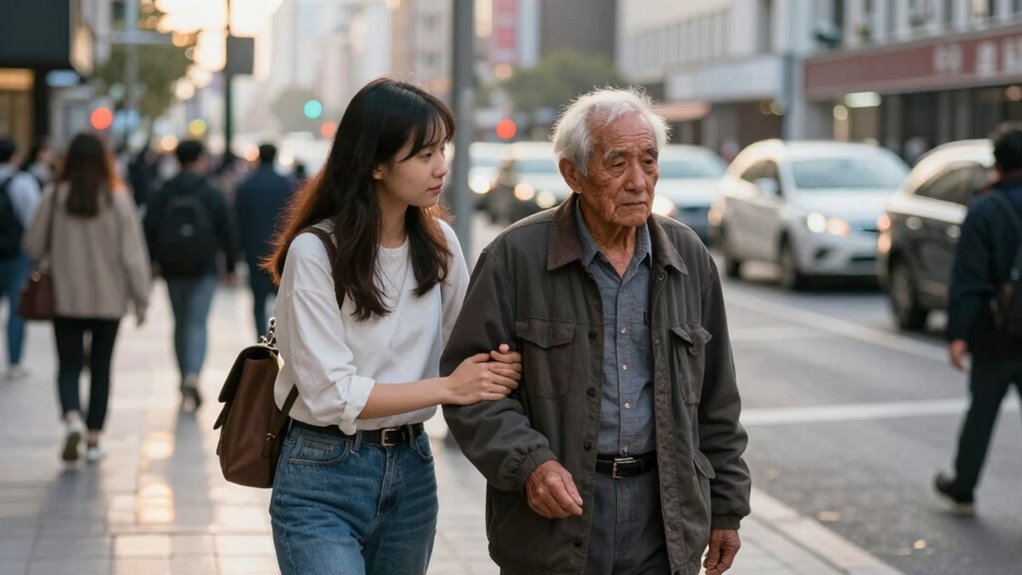
Being nice is often seen as simple politeness, but true kindness requires a deeper level of connection and effort that’s often harder to practice. It’s not just about saying “please” and “thank you” or offering a friendly smile. Genuine kindness involves understanding where others are coming from, which calls for empathy development. When you truly grasp what someone else is experiencing, your actions become more meaningful. You don’t just perform superficial gestures—you connect on a human level, showing that you genuinely care about their feelings and struggles.
Developing empathy isn’t always easy. It demands you listen actively, set aside your assumptions, and resist the urge to jump to conclusions. You have to be willing to see beyond your perspective and step into someone else’s shoes. This process deepens your understanding of their context and fosters a stronger sense of connection. As you cultivate empathy, your responses become more thoughtful and authentic. Instead of offering empty platitudes, you can provide support that truly resonates, making your kindness more impactful. Cultivating emotional intelligence is essential for this growth, as it helps you better manage your own feelings while understanding others’. Recognizing the importance of self-awareness can help you identify your own biases and improve your ability to connect genuinely. Additionally, understanding the psychology of human behavior can enhance your capacity to respond compassionately and appropriately, especially in complex social situations.
Listening actively and setting aside assumptions fosters genuine understanding and more impactful kindness.
Genuine compassion is the next step that makes kindness more than just a surface act. It requires you to act in ways that genuinely benefit others, even when it’s inconvenient or difficult. Compassion isn’t about feeling sorry for someone; it’s about actively doing something to alleviate their pain or hardship. When you combine empathy development with authentic compassion, your acts of kindness become rooted in sincerity, not obligation. This sincerity transforms your gestures from superficial to heartfelt, creating bonds that last beyond fleeting moments. Cultivating authenticity ensures your kindness remains genuine and trustworthy.
Practicing this kind of kindness takes effort. It means being present, listening without judgment, and responding with intentionality. You might find yourself challenging your own biases or stepping out of your comfort zone to help someone in need. These actions aren’t always easy, but they’re what differentiate true kindness from mere politeness. When you prioritize empathy and genuine compassion, your interactions become more meaningful, fostering trust and understanding. Over time, this approach shapes your character and influences those around you, encouraging a culture of authentic kindness that’s resilient even under stress. Moreover, understanding the role of patience can help you sustain these efforts over the long term, especially when immediate results are not visible.
Ultimately, the skill of kindness that’s harder than being nice isn’t about grand gestures or superficial politeness. It’s about developing the emotional intelligence to connect deeply and act with sincerity. When you commit to empathy development and genuine compassion, you elevate your kindness from a simple act to a powerful force for good—one that can truly make a difference in the lives of others.
As an affiliate, we earn on qualifying purchases.
Frequently Asked Questions
How Is Kindness Different From Genuine Compassion?
Kindness involves polite actions or words, but genuine compassion goes deeper with emotional authenticity. When you’re truly compassionate, you connect on a personal level, understanding and sharing others’ feelings, rather than just being polite. It requires you to be vulnerable and sincere, showing real concern. While kindness can be superficial, compassion challenges you to act from the heart, making a meaningful difference beyond surface politeness.
Can Kindness Be Harmful in Certain Situations?
Yes, kindness can sometimes be harmful if it leads to unintended consequences or manipulative gestures. When your kindness is misunderstood or used against you, it can foster dependency or resentment. For example, offering help just to gain control might backfire, causing more harm than good. Always consider the situation carefully before acting kindly, ensuring your intentions are genuine and that your actions support healthy boundaries and mutual respect.
How Do Cultural Differences Affect Kindness?
Cultural differences shape kindness like a colorful tapestry, influencing how you show respect versus hospitality. In some cultures, expressing kindness through gestures and language is essential, while others prioritize actions over words. You might find that cultural expressions of kindness can sometimes seem distant or overly familiar, depending on customs. To navigate this, you need to understand each culture’s boundaries between respect and hospitality, fostering genuine connections across diverse backgrounds.
Is Kindness Always the Best Response?
Kindness isn’t always the best response, especially when it conflicts with your intentional boundaries. You might need to prioritize honesty or assertiveness over kindness to protect yourself or others. Sometimes, kindness can blur into politeness, which isn’t always genuine or helpful. You should evaluate each situation carefully, balancing kindness versus politeness, and decide whether a compassionate response aligns with your boundaries or if a different approach is necessary.
How Do I Practice Kindness When I’M Upset?
When you’re upset, practice kindness by focusing on emotional regulation first. Take deep breaths or step away to calm your emotions. Then, develop empathy by putting yourself in the other person’s shoes, understanding their perspective. This helps you respond kindly instead of reacting impulsively. Consistently practicing these steps strengthens your kindness muscle, making it easier to show compassion even when you’re struggling emotionally.
As an affiliate, we earn on qualifying purchases.
Conclusion
Mastering kindness isn’t always straightforward—it’s about gentle navigation through tricky waters. Sometimes, it’s easier to stay on the surface and be nice, but true kindness requires a deeper, more subtle touch. When you choose to go beyond superficial pleasantries, you’re gently steering toward genuine understanding and connection. So, keep softly steering your boat through those rough patches. The true reward lies in the quiet, often unseen, acts of kindness that truly make a difference.
As an affiliate, we earn on qualifying purchases.
As an affiliate, we earn on qualifying purchases.
NFL season / tailgating Picks
team gear
As an affiliate, we earn on qualifying purchases.