

Respect is a quiet but powerful kindness language that forms the foundation of genuine relationships and emotional growth. By recognizing respectful behaviors like active listening, kind gestures, and honest communication, you can build trust and foster a more compassionate environment. Many believe respect means obedience or agreement, but it’s about valuing others’ perspectives and boundaries. Keep exploring how small acts of respect can transform your connections and community—you’ll find more ways to kindness hiding in everyday moments.
Key Takeaways
- Respect affirms others’ dignity, fostering empathy and emotional intelligence essential for genuine kindness.
- Small daily gestures, like active listening and polite words, build trust and demonstrate respect.
- Respect involves valuing diverse perspectives and personal choices without surrendering boundaries.
- Leading by example through respectful communication encourages a culture of kindness and mutual regard.
- Building self-respect inspires others and creates a foundation for respectful relationships and community harmony.
What Is Respect and Why Is It Key to Kindness
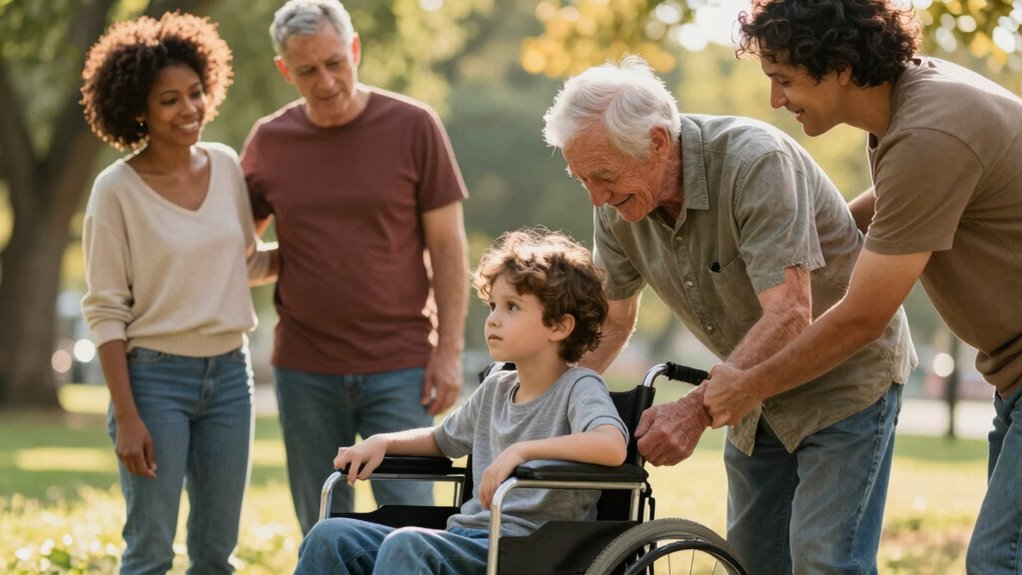
Respect is the foundation of genuine kindness because it acknowledges the value and dignity of others. When you show respect, you foster empathy development, allowing you to understand and share others’ feelings more deeply. This understanding encourages you to see beyond your own perspective and appreciate diverse experiences. Respect also enhances cultural awareness, helping you recognize and honor different backgrounds, beliefs, and traditions. By practicing respect, you create an environment where kindness thrives naturally. It’s not just about manners; it’s about valuing people for who they are. When you genuinely respect others, you build trust and connection, making kindness an authentic and powerful part of your interactions. Developing emotional intelligence is essential for understanding and practicing respect in everyday life. Respect truly is the key to fostering a compassionate and inclusive world, as it promotes interpersonal understanding and meaningful relationships. Understanding home environment and the importance of social harmony can also help reinforce respectful behaviors in daily interactions. Additionally, being aware of halal standards in food and beverage choices can demonstrate respect for different cultural and religious practices, fostering greater social harmony. Recognizing the importance of cultural diversity can further deepen your appreciation for the varied ways people express respect and kindness in their communities.
How to Recognize Respectful Behavior Every Day

Recognizing respectful behavior in daily interactions can substantially enhance your relationships and foster kindness. Respect looks different across cultural differences, so pay attention to how others communicate and show appreciation. For example, some cultures value direct eye contact, while others view it as intrusive. In the workplace, respectful behavior includes listening actively, acknowledging others’ ideas, and maintaining professionalism. Notice when someone asks for your opinion kindly or respects your boundaries. Small gestures like saying “please” and “thank you” also demonstrate respect. By observing these cues, you can better understand when others are showing respect and when they might need more consideration. Recognizing respectful behavior helps build trust, encourages positive interactions, and creates a more inclusive environment every day. Being aware of cultural differences in communication allows you to navigate interactions more thoughtfully and respectfully. Additionally, understanding the importance of energetic alignment can help you foster more genuine and respectful connections with others. Developing emotional intelligence can further enhance your ability to recognize and respond to respectful behavior in various contexts. Paying attention to non-verbal cues can also reveal underlying feelings and levels of respect during interactions.
Common Myths About Respect That Hold You Back

Many people assume respect is always about obedience or agreement, but this isn’t true. Respect misconceptions often lead you to believe that respecting someone means always agreeing or surrendering your opinions. This stereotype can prevent genuine interactions and growth. Respect isn’t about blind compliance; it’s about valuing others’ perspectives without losing your own. Recognizing the healthy boundaries importance of healthy boundaries can help distinguish respect from surrender. Building mutual understanding requires balancing respect and assertiveness, ensuring that both parties feel valued without overstepping personal limits. Understanding different nail styles can also reflect how respect manifests through individual expression and choices, emphasizing the importance of honoring personal preferences. Additionally, just as zodiac traits influence personalities, respecting diverse personalities and traits fosters more authentic connections.
Simple Ways to Show Respect Every Day

You can show respect every day through simple, honest communication, like listening actively and speaking kindly. Small gestures, such as holding the door or offering a genuine compliment, also make a big difference. These everyday actions build trust and demonstrate your regard for others’ feelings and perspectives. Incorporating modern communication techniques can further enhance respectful interactions in our connected world. Being mindful of emotional intelligence can help you respond more empathetically and foster genuine respect in all your relationships. Recognizing the importance of trustworthiness in daily interactions helps reinforce mutual respect and understanding. Additionally, understanding the complexity of human emotions allows for more compassionate and respectful responses in various situations. Paying attention to attention to detail can also ensure that your actions consistently convey respect and consideration.
Respectful Communication Practices
Respectful communication starts with simple, everyday actions that demonstrate genuine consideration for others. Paying attention to non-verbal cues, like eye contact, facial expressions, and body language, shows you’re engaged and respectful. These cues often speak louder than words and help you understand others’ feelings without interrupting. Additionally, practicing active listening means giving your full attention, nodding, and paraphrasing what’s said to confirm understanding. It signals that you value the speaker’s perspective. Avoid distractions, such as checking your phone, and resist interrupting. Small gestures like maintaining open posture and using supportive gestures help foster trust and respect. By consciously applying these practices daily, you create a respectful environment where everyone feels heard and appreciated. Embracing a culture of kindness can further enhance respectful interactions in all areas of life. Being mindful of body language not only improves communication but also helps build stronger, more empathetic relationships. Recognizing key traits of successful communicators can guide you in developing more effective and respectful interactions. Developing awareness of non-verbal communication can significantly improve your ability to connect respectfully with others. Incorporating these respectful habits can also prevent misunderstandings and promote positive interactions that strengthen connections.
Thoughtful Daily Gestures
Simple, everyday gestures can make a meaningful difference in showing respect and kindness. Small acts like holding the door open, offering a genuine smile, or saying thank you demonstrate your consideration for others. These daily kindness moments may seem minor, but they carry powerful messages of respect. Taking a moment to listen attentively or giving a compliment can brighten someone’s day and foster a positive connection. Consistently practicing thoughtful daily gestures shows that you value others’ feelings and time. These small acts build trust and create a respectful environment, whether at work, home, or in your community. Remember, kindness isn’t grand gestures alone; it’s the accumulation of everyday actions that truly reflect respect and care.
How Respect Builds Trust and Strengthens Relationships
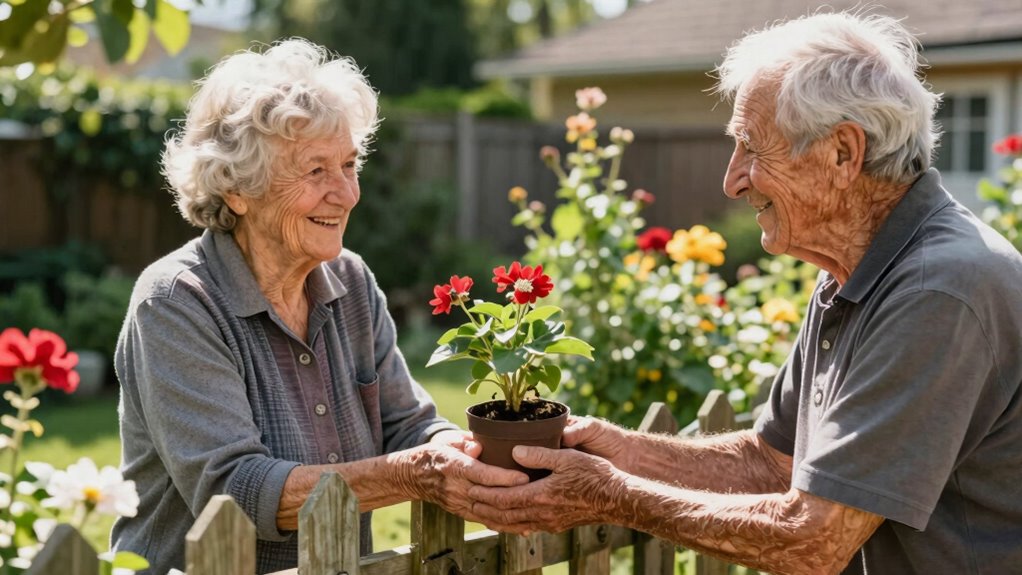
When people feel genuinely respected, trust naturally follows. Respect demonstrates your emotional intelligence by showing you value others’ feelings and perspectives. It also involves active listening, where you fully focus on what they’re saying without interrupting or dismissing their thoughts. This creates a safe space for honest communication and deepens your connection. Consider the following ways respect strengthens relationships:
| Respect Acts | Trust Builds |
|---|---|
| Listening actively | Feeling understood |
| Acknowledging feelings | Emotional safety |
| Valuing opinions | Mutual reliability |
When you practice consistent respect, your relationships grow stronger. People feel valued and are more likely to open up, creating a foundation of trust that lasts. Respect isn’t just kindness; it’s the key to meaningful bonds.
How Respect Fosters a More Compassionate Community

Respect is a powerful catalyst for building a more compassionate community because it encourages you to see beyond your own perspectives and recognize others’ inherent worth. When you embrace respect in leadership, you foster an environment where diverse cultural differences are acknowledged and valued. This openness promotes understanding and reduces conflicts rooted in misunderstanding. By demonstrating respect, you create space for dialogue, empathy, and cooperation among community members. It encourages everyone to listen actively and appreciate different viewpoints, strengthening social bonds. Ultimately, respect cultivates an atmosphere of kindness and acceptance, making your community more inclusive and supportive. When respect becomes a shared value, it transforms interactions and nurtures a culture of compassion that benefits all.
Building Respect in Yourself and Inspiring It in Others
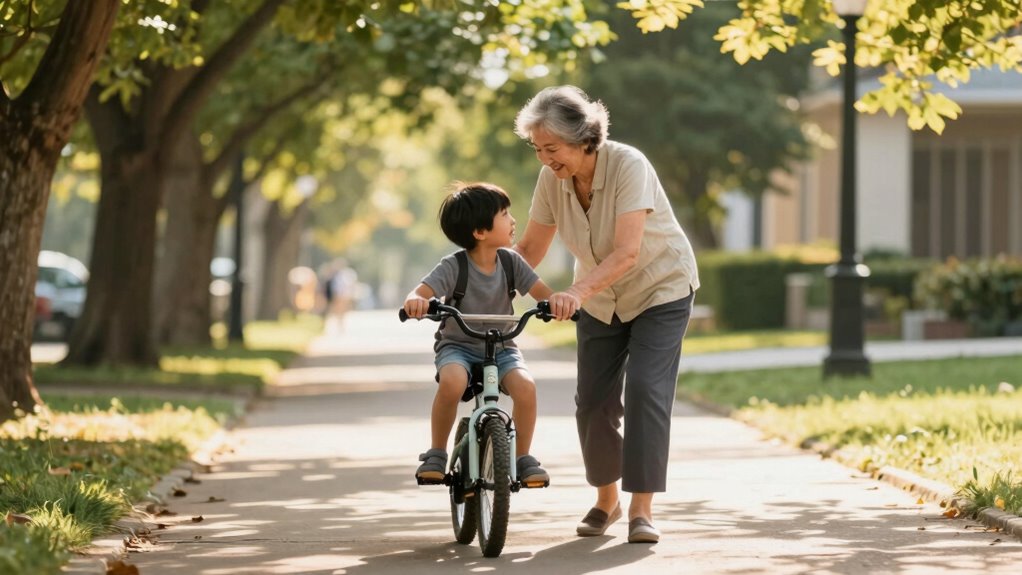
To build respect in yourself and inspire it in others, start by practicing self-respect daily and showing respect through your actions. Lead by example in your interactions, demonstrating kindness and integrity. Remember, respectful communication fosters trust and encourages others to follow suit.
Practice Self-Respect Daily
Practicing self-respect daily starts with setting clear boundaries and honoring your own needs. When you prioritize self-compassion, you acknowledge your worth and treat yourself with kindness, especially during setbacks. This fosters emotional resilience, helping you bounce back from challenges without sacrificing your integrity. Consistently reaffirm your values and speak to yourself with respect, even in difficult moments. By doing so, you reinforce your self-esteem and create a solid foundation for authentic respect. When you respect yourself, others are more likely to mirror that attitude. Small daily actions—like listening to your needs, avoiding self-criticism, and celebrating your progress—build a habit of self-respect. Over time, this practice not only strengthens your inner confidence but also inspires respect in those around you.
Lead By Respectful Actions
When you lead by respectful actions, you set a powerful example that encourages others to do the same. Your respectful leadership fosters mutual understanding, strengthening relationships and building trust. By consistently demonstrating kindness, patience, and openness, you create an environment where respect flourishes naturally. Others are inspired to mirror your behavior, creating a ripple effect of positive interactions. Here are ways to embody respectful leadership:
- Listen actively without interrupting
- Acknowledge others’ perspectives
- Show appreciation sincerely
- Maintain honesty and transparency
- Handle conflicts calmly and constructively
These actions promote mutual understanding and reinforce the importance of respect. When you lead through respectful actions, you inspire others to follow suit, cultivating a culture rooted in kindness and genuine regard.
Cultivate Respectful Communication
Cultivating respectful communication starts with being mindful of how you speak and listen. When you practice empathy development, you show others that their feelings matter, fostering trust and connection. Active listening is key—you focus fully on what’s being said, avoiding interruptions and judgments. This signals respect and encourages open dialogue. By paying attention to tone, body language, and words, you create a safe space for honest exchange. When you respond thoughtfully, you reinforce mutual respect and inspire it in others. Respectful communication isn’t just about words; it’s about genuine engagement. As you develop these habits, you set a powerful example, making respect a natural part of your interactions, inspiring others to follow suit.
Frequently Asked Questions
How Does Respect Differ Across Various Cultures?
You’ll notice respect varies across cultures through different cross-cultural gestures and notions of hierarchy. In some places, bowing or eye contact signals respect, while in others, silence or physical distance carry more significance. You might find that respecting hierarchy is essential in certain societies, shaping how you interact with elders or authority figures. Understanding these differences helps you show respect appropriately, fostering better connections across diverse cultural contexts.
Can Respect Be Learned if It Wasn’t Modeled Early?
Respect is like a fragile flower you can nurture even if it wasn’t planted early. You can definitely learn it later by practicing respectful communication and showing genuine empathy. As you engage with others, you’re building understanding and trust, gradually developing respect. It takes patience and intentional effort, but with each interaction, you grow more capable of demonstrating respect, regardless of past experiences.
What Are Subtle Signs Someone Is Not Showing Respect?
You can spot someone not showing respect through subtle signs like closed body language cues such as crossed arms or avoiding eye contact. Their tone of voice might sound dismissive or impatient, signaling a lack of regard. You may notice they interrupt frequently or dismiss your opinions. These small cues, often unnoticed, indicate a disregard for respect, making it clear they’re not valuing your perspective or feelings.
How Does Respect Influence Workplace Productivity?
Respect directly boosts workplace productivity by fostering better communication styles and trust development. When you show respect, colleagues feel valued and understood, leading to open dialogue and collaboration. This positive environment encourages innovation and efficiency, as team members are more willing to share ideas and support each other. Ultimately, respect creates a foundation of mutual trust, making it easier to meet goals and handle challenges effectively.
Is It Possible to Respect Someone Without Liking Them?
Yes, you can respect someone without liking them by setting clear boundaries and focusing on mutual understanding. Respect involves valuing their position and maintaining professionalism, even if you don’t share personal feelings. You actively demonstrate this by listening attentively, honoring their opinions, and keeping interactions respectful. This approach helps foster a healthy environment where boundaries are clear, and mutual understanding thrives, proving that respect isn’t about liking, but about valuing others’ dignity.
Conclusion
Just like a well-tended garden blooms with care, showing respect nurtures trust and kindness around you. When you practice respect daily, you become the steady hand guiding relationships toward harmony, much like a gentle river carving its path. Remember, your actions plant seeds of compassion in others, shaping a community where kindness flourishes. Embrace respect as your guiding light, and watch how it transforms your world into a vibrant, interconnected tapestry.