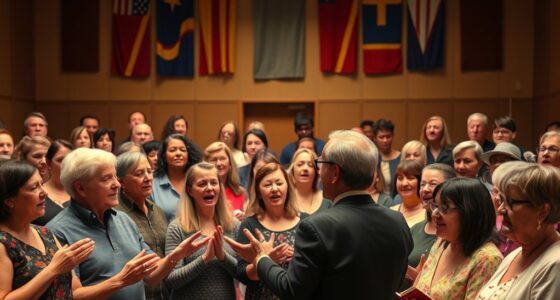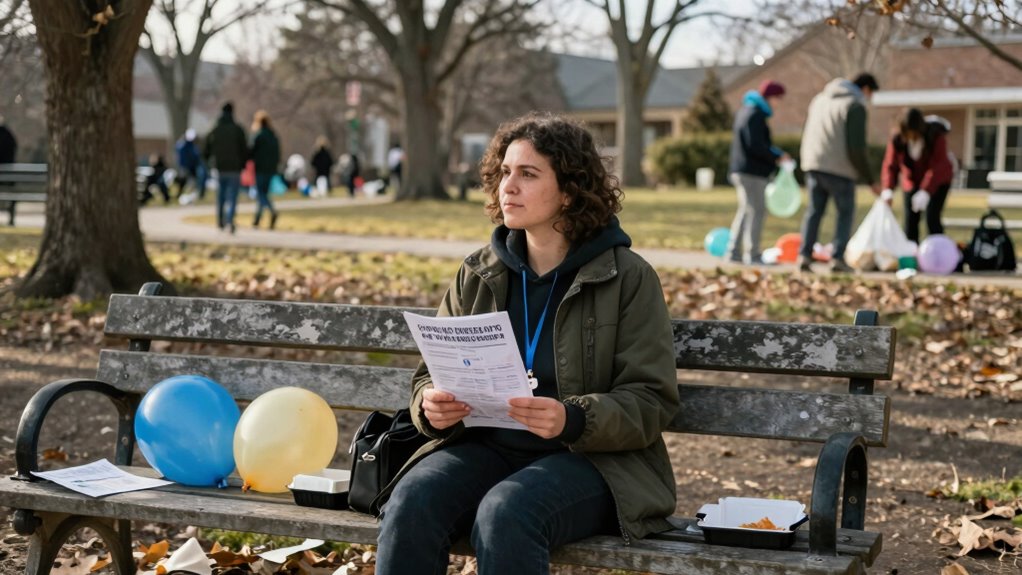

After a community event doesn’t go as planned, start by collecting honest feedback from attendees, volunteers, and your team to identify what went wrong. Use that insight to refine your marketing, engage volunteers more effectively, and incorporate community input for future events. Set achievable goals to rebuild confidence and celebrate small wins along the way. If you keep focused on learning and adapting, you’ll be better prepared to turn setbacks into successes.

Get the little things that make your day delivered free — and shop member deals
- Fast, free delivery on millions of items
- Access to Prime Big Deal Days deals on October 6–7
- Prime Video, Amazon Music and more included
Key Takeaways
- Gather honest feedback from attendees and volunteers to identify specific issues and areas for improvement.
- Reassess and refine marketing strategies to better target and engage the community.
- Recognize volunteer efforts and involve them in planning to boost morale and commitment.
- Use community engagement tactics and sustainable practices to foster stronger local support.
- Set realistic, small goals for future events, celebrating progress to build confidence and resilience.
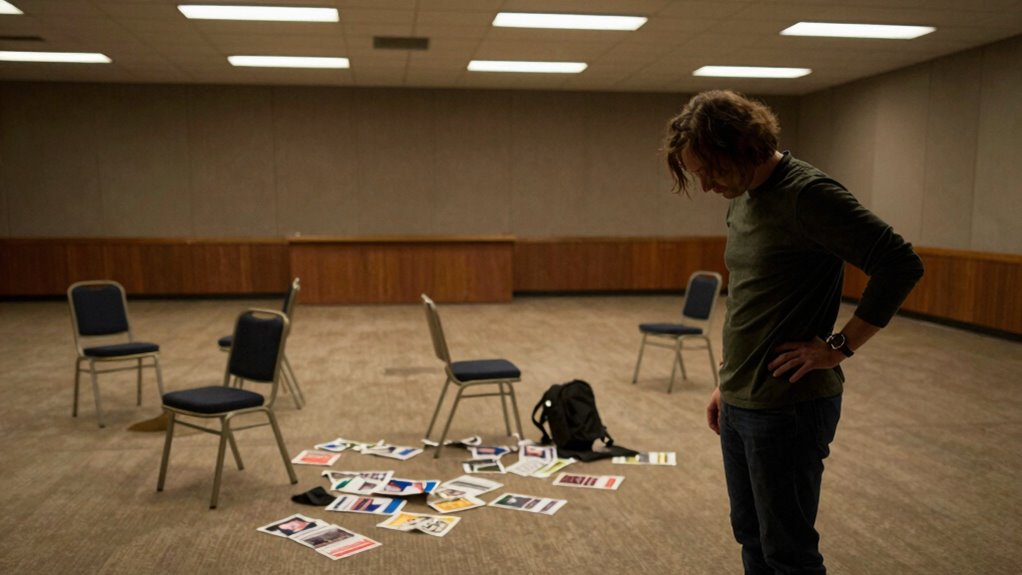
When a community event doesn’t go as planned, it’s easy to feel discouraged or embarrassed. You might question whether your efforts were enough or wonder what went wrong. But instead of dwelling on the disappointment, it’s crucial to refocus and strategize your next steps. The key to recovery lies in understanding what didn’t work and leveraging the right tools like volunteer engagement and marketing strategies to turn things around.
First, take a moment to gather feedback from attendees, volunteers, and your team. Honest insights will help you identify the gaps and areas for improvement. Don’t shy away from constructive criticism—embrace it. Once you understand what caused the flop, you can develop a targeted plan to address those issues. For example, if attendance was lower than expected, it might be time to revisit your marketing strategies. Maybe your outreach wasn’t broad enough, or your messaging didn’t resonate with your target audience. Use social media, local press, and community networks to spread the word more effectively next time. Reworking your marketing approach ensures that you reach a wider audience and generate more interest.
Volunteer engagement also plays a vital role in recovery. When an event doesn’t meet expectations, rally your volunteers and involve them in the process of rebuilding. Recognize their efforts and show appreciation for their dedication. Engaged volunteers are more invested in the success of future events, and their enthusiasm can be contagious. Assign them specific roles in planning and promotion, making them feel valued and integral to the process. Their firsthand knowledge can provide valuable insights into what needs to change, and their increased involvement boosts morale and commitment. Additionally, incorporating community engagement strategies can help foster a stronger sense of ownership and participation from local residents. Incorporating feedback mechanisms can further enhance your understanding of community needs and preferences, ensuring future events are more aligned with local interests. Furthermore, integrating sustainable practices can add value to your events by attracting environmentally conscious attendees and partners.
Moreover, don’t be afraid to start small and set realistic goals for your next event. Celebrate small wins to build momentum and confidence. Keep communication transparent with your team and community members, so everyone feels involved and motivated. Remember, setbacks are part of the learning curve. The most successful community projects often emerge from resilience and the willingness to adapt. Recognizing the importance of biodiversity and sustainable practices can also inspire new ideas and partnerships that strengthen future events.
In the end, recovering from a failed event isn’t just about fixing what went wrong; it’s about transforming disappointment into motivation. By honing your marketing strategies, actively engaging volunteers, and learning from your experience, you set the stage for a more successful community event in the future. Your persistence and willingness to adapt will ultimately strengthen your community bonds and lead to more impactful gatherings ahead.
As an affiliate, we earn on qualifying purchases.
Frequently Asked Questions
How Do I Handle Negative Feedback From Attendees?
When handling negative feedback from attendees, you actively listen and show appreciation for their honesty. Use feedback collection to identify specific concerns and areas for improvement. Engage with attendees by responding promptly and empathetically, demonstrating you value their input. This approach boosts attendee engagement, reassures them their opinions matter, and helps you refine future events. Always view negative feedback as a constructive step toward creating better community experiences.
When Should I Plan a Follow-Up Event?
Think of planning a follow-up event like planting a seed—you need patience and timing. You should schedule it when you notice increased attendee engagement and positive feedback, ideally within a few months. Use event marketing strategies to build excitement and show you’re listening to your community’s needs. This way, you maintain momentum and demonstrate your commitment, turning a setback into an opportunity for growth and stronger connections.
How Can I Motivate My Team After a Setback?
You can motivate your team after a setback by recognizing their efforts through team recognition, which boosts morale. Encourage open dialogue to reassess goals, making adjustments that align with your team’s strengths. Celebrate small wins to rebuild confidence and maintain a positive outlook. Reminding your team of past successes helps foster resilience, ensuring they stay motivated and focused on future improvements despite recent challenges.
What Signs Indicate a Need for Major Event Changes?
You should consider major event changes if you notice declining attendee engagement or issues with event logistics, such as long wait times or overcrowding. These signs suggest your event isn’t meeting audience expectations or running smoothly. When feedback indicates dissatisfaction, or attendance drops despite marketing efforts, it’s time to rethink your approach. Make data-driven decisions, streamline logistics, and focus on boosting engagement to guarantee future events are successful and well-received.
How Do I Rebuild Community Trust Quickly?
You can rebuild community trust quickly by actively engaging with your community. Show genuine concern and listen to their feedback, making them feel heard. Use transparent event promotion to demonstrate your commitment, and host small, consistent gatherings to rebuild relationships. Think of trust as a delicate plant—you need to water it regularly with honesty and community engagement, nurturing your connections back to strength even after setbacks.
community event marketing materials
As an affiliate, we earn on qualifying purchases.
As an affiliate, we earn on qualifying purchases.
Conclusion
Remember, setbacks are just setups for comebacks. Reflect on what went wrong, learn from every mistake, and adjust your approach. Reach out to your community, rebuild trust, and show your commitment. Stay positive, stay persistent, and stay proactive. Every flop is a chance to grow, a lesson to master, and a step toward success. Keep moving forward, keep improving, and keep your eyes on the future. Your resilience will turn setbacks into comebacks.
As an affiliate, we earn on qualifying purchases.
As an affiliate, we earn on qualifying purchases.
Halloween Picks
halloween
As an affiliate, we earn on qualifying purchases.