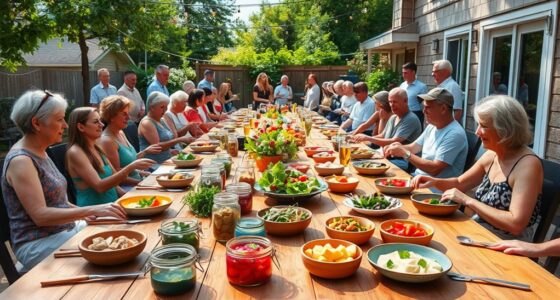
To host a listening circle people trust, start by clearly communicating that the space is safe, respectful, and confidential. Model active listening through patience, empathy, and neutral body language, encouraging others to share openly. Be mindful of cultural differences, validate diverse perspectives, and address conflicts calmly. Foster trust by creating an inclusive environment where everyone feels valued. If you keep exploring, you’ll discover even more ways to build genuine connection and trust within your circle.

Get the little things that make your day delivered free with Prime
- Fast, free delivery on millions of items
- Prime Video, Amazon Music and more included
- Member-only deals all year
Key Takeaways
- Clearly communicate the purpose, emphasizing confidentiality, respect, and the importance of every voice.
- Model active listening behaviors like patience, empathy, and neutrality to set a trustworthy example.
- Create a safe, inclusive environment that values diverse perspectives and encourages openness.
- Address conflicts calmly, promoting honest expression while maintaining respect and understanding.
- Foster consistent, respectful engagement through body language, affirmations, and cultural sensitivity.
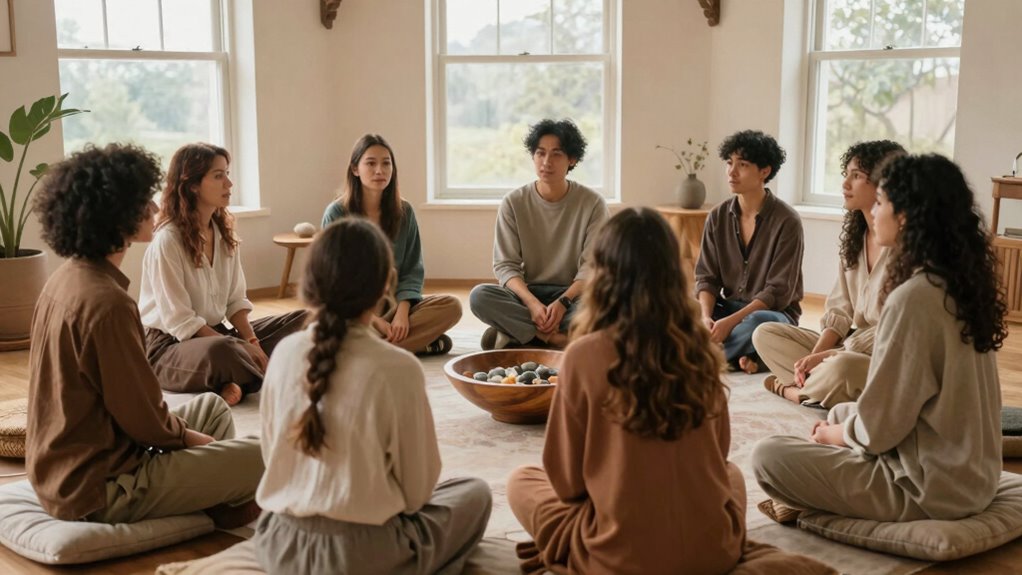
Ever wonder how to create a space where people genuinely feel heard and trusted? Hosting a listening circle that fosters trust requires more than just gathering people in a room. It’s about establishing an environment rooted in cultural sensitivity and effective conflict resolution. When you approach this with openness and respect, participants feel safe sharing their thoughts without fear of judgment or misunderstanding.
Start by setting clear intentions. Let everyone know this is a space dedicated to respectful listening and honest dialogue. Emphasize that each voice matters and that confidentiality is essential. As the host, your role is to model active listening, demonstrating patience, empathy, and neutrality. When someone shares, show genuine interest through body language and affirmations like nodding or brief verbal acknowledgments. This encourages others to open up and reinforces a sense of trust.
Create a safe space by modeling active listening, patience, empathy, and neutrality to foster trust and open dialogue.
Cultural sensitivity plays a fundamental role in shaping the atmosphere. Recognize that participants come from diverse backgrounds, each with unique perspectives and communication styles. Be mindful of cultural norms, traditions, and potential language barriers. Avoid making assumptions or generalizations. Instead, ask clarifying questions when necessary and validate different viewpoints. Creating this inclusive environment shows respect for everyone’s experiences and helps prevent misunderstandings that could hinder open dialogue. Developing trust-building skills can further enhance group cohesion and facilitate smoother interactions.
Additionally, understanding conflict resolution techniques is vital to navigating disagreements constructively. Conflict resolution is inevitable in any group discussion, especially when sensitive topics are involved. When disagreements arise, address them calmly and constructively. Encourage participants to express their feelings honestly while respecting others’ perspectives. If tension escalates, step back and remind everyone of the circle’s purpose—listening and understanding, not winning debates. Use neutral language to de-escalate conflicts and seek common ground. Facilitating these moments skillfully helps maintain trust and keeps the circle productive.
listening circle facilitator guide
As an affiliate, we earn on qualifying purchases.
As an affiliate, we earn on qualifying purchases.
Frequently Asked Questions
What Is the Ideal Group Size for a Listening Circle?
The ideal group size for a listening circle is between 6 to 12 participants. This range fosters trust building and guarantees everyone has a chance to speak, enhancing positive group dynamics. Smaller groups allow for deeper sharing and stronger connections, while larger groups can become overwhelming and hinder trust. By keeping the size manageable, you create a safe space where participants feel valued, heard, and comfortable sharing openly.
How Long Should Each Session Last?
Each listening circle session should last about 60 to 90 minutes, allowing you to foster emotional safety and cultural sensitivity without feeling rushed. Imagine a gentle river flowing steadily, giving space for genuine sharing and deep listening. Keeping sessions within this timeframe helps maintain focus and respect, ensuring everyone feels heard and valued. Too long, and energy wanes; too short, and meaningful connection is missed. Balance is key.
How Do I Handle Conflicts During the Circle?
When conflicts arise during a listening circle, prioritize conflict resolution by calmly acknowledging differing opinions and encouraging respectful dialogue. Focus on maintaining emotional safety for everyone by listening without judgment and validating feelings. Set clear ground rules beforehand to foster trust and guarantee everyone feels heard. If tension escalates, suggest a short break or revisit the discussion later, helping to de-escalate and keep the space safe for open sharing.
What if Someone Dominates the Conversation?
Imagine a soloist hogging the stage, drowning out everyone else—classic power dynamic. To prevent this, gently remind the dominant participant about active listening’s magic: sharing the spotlight. Set clear ground rules emphasizing equal voices and encourage quieter members to speak. Use a talking stick or timed turns to balance power. By fostering awareness of power dynamics, you guarantee everyone’s voice is heard and valued, creating a truly inclusive circle.
Are There Specific Topics Suitable for Listening Circles?
You can choose topics that promote emotional safety and cultural sensitivity, like personal experiences, community concerns, or shared values. Focus on open-ended questions that encourage honest, respectful dialogue without judgment. Avoid controversial or sensitive subjects initially. This approach helps participants feel safe and respected, fostering trust. Tailoring topics to the group’s background and needs also guarantees everyone feels valued and comfortable sharing, strengthening the circle’s overall trust.
confidentiality and trust building workshop materials
As an affiliate, we earn on qualifying purchases.
As an affiliate, we earn on qualifying purchases.
Conclusion
Remember, hosting a listening circle is like tending a garden—you nurture trust by creating a safe, open space where voices can bloom. Each moment of genuine attention is water, every shared story a seed that grows understanding. When you listen with a sincere heart, you cultivate roots of connection that withstand any storm. Trust isn’t built overnight, but with patience and care, your circle becomes a resilient tree, offering shelter and strength to all who gather around.
As an affiliate, we earn on qualifying purchases.
cultural sensitivity communication tools
As an affiliate, we earn on qualifying purchases.
As an affiliate, we earn on qualifying purchases.
Halloween Picks
halloween
As an affiliate, we earn on qualifying purchases.