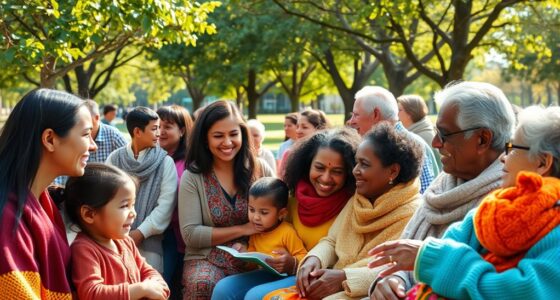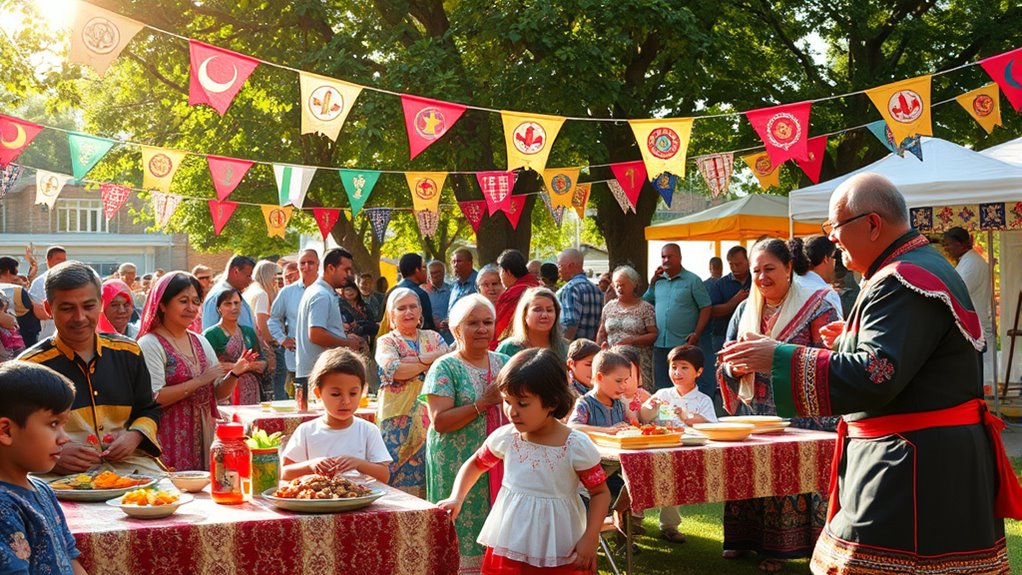

Hosting multicultural community events is a great way to celebrate diversity by creating engaging spaces where people can share food, music, and traditions from different cultures. These events foster understanding, build community bonds, and promote appreciation for diversity. You’ll see authentic dishes, lively performances, and opportunities to learn about unique customs. If you keep exploring, you’ll discover even more ways to make your celebration truly inclusive and meaningful for everyone involved.
Key Takeaways
- Foster cultural exchange by showcasing diverse traditions, music, art, and authentic cuisine in inclusive community settings.
- Collaborate with local cultural groups and community members to organize engaging, educational, and representative events.
- Use food festivals and performances as universal languages to break barriers and promote mutual understanding.
- Incorporate cultural symbols, dances, and crafts to deepen appreciation and learning of various identities.
- Create shared experiences that celebrate differences, strengthening community bonds through joy, respect, and inclusivity.
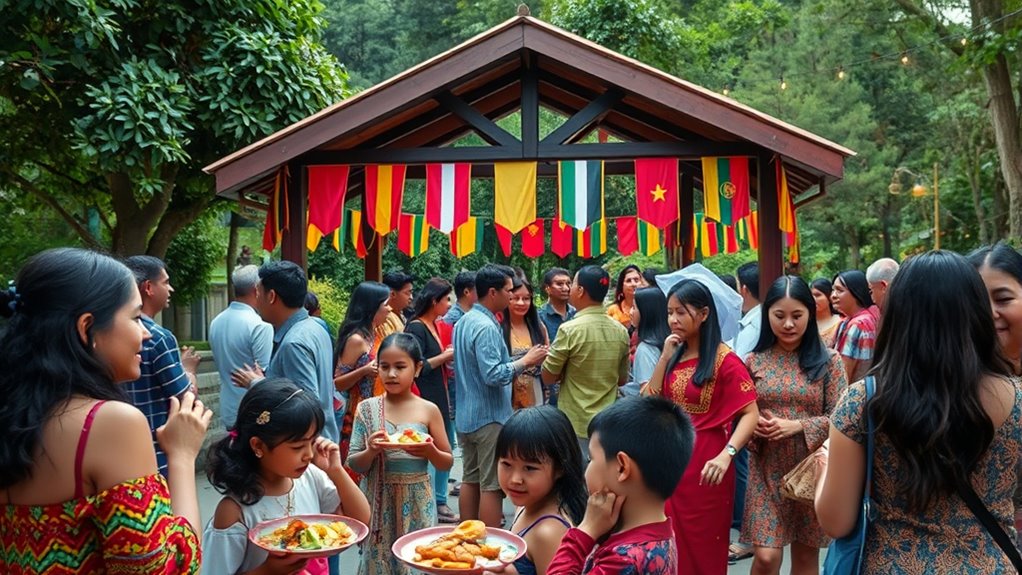
Have you ever wondered how communities celebrate diversity and bring people together? One of the most effective ways is through lively, engaging multicultural community events. These gatherings serve as a platform for cultural exchange, allowing residents to share their traditions, customs, and stories in a welcoming environment. A key aspect of these events is food festivals, which offer a delicious, tangible way to experience different cultures. When you attend a food festival, you get to taste authentic dishes from around the world, making it easier to appreciate and understand diverse culinary traditions. These festivals often feature booths with traditional foods, music, and dance performances, creating an atmosphere full of energy and curiosity. As you walk through, you’ll notice how food acts as a universal language, breaking down barriers and sparking conversations among people from varied backgrounds.
Planning a multicultural event with a focus on food festivals isn’t just about showcasing different cuisines; it’s also about fostering connection and mutual respect. You can invite local chefs, cultural groups, and community members to contribute their special recipes and stories. This collaboration encourages participants to learn about each other’s histories and cultural identities in an informal, engaging setting. It’s a chance for you to witness firsthand how food carries cultural significance, often linked to festivals, rituals, or family traditions. By sharing these culinary experiences, you help strengthen the sense of community and build bridges between different cultural groups.
Inviting local chefs and cultural groups fosters connection, mutual respect, and shared culinary stories within the community.
Beyond food, these events often include performances like traditional dances, music, and art displays, which deepen the cultural exchange. You might find yourself captivated by a flamenco dance, a Chinese dragon parade, or African drumming sessions. Each performance adds a layer of understanding and appreciation, making the event richer and more meaningful. Hosting such celebrations also provides an opportunity for local businesses and artisans to showcase their crafts, further promoting cultural diversity within your community.
Additionally, recognizing the role of cultural symbols and traditions can enhance how participants perceive and respect each other’s backgrounds. In this way, these events serve not only as entertainment but also as a form of cultural education that fosters empathy and inclusivity. You’ll see that when people come together to celebrate their differences through shared experiences, like tasting new dishes or enjoying lively performances, it fosters unity and respect. It’s these moments of collective joy and learning that truly highlight the beauty of diversity.

Set of 43 Assorted Vegetable & Herb Seed Packets - Over 10,000 Seeds! - Includes Mylar Storage Bag - Deluxe Garden Heirloom Seeds - 100% Non-GMO
Set includes 43 lightly assorted Vegetable and Herb seeds!
As an affiliate, we earn on qualifying purchases.
Frequently Asked Questions
How Can I Ensure Inclusive Participation From Diverse Communities?
You can guarantee inclusive participation by actively promoting cultural sensitivity and engaging with diverse communities early on. Reach out through community leaders, listen to their needs, and tailor events to reflect different cultural traditions. Use inclusive language, promote open dialogue, and create welcoming spaces. By fostering genuine community engagement, you build trust and encourage participation from all backgrounds, making your events truly inclusive and enriching for everyone involved.
What Are Effective Ways to Promote Multicultural Events Locally?
Imagine a message in a bottle reaching diverse shores—that’s how effective community outreach can promote your multicultural events. Use social media, local flyers, and partnerships with cultural organizations to spark interest. Highlight opportunities for cultural exchange, showcasing the unique traditions and stories of each community. Invite everyone to participate, ensuring your promotion reflects the diversity you’re celebrating, and you’ll draw a lively, engaged crowd enthusiastic to unite and learn.
How Do I Handle Language Barriers During the Event?
To handle language barriers during your event, you should offer translation services and guarantee there’s multilingual signage throughout the venue. These tools help attendees understand information easily and feel included. You can also recruit bilingual volunteers to assist, making communication smoother. By proactively addressing language differences, you create a welcoming environment where everyone can participate fully and enjoy the celebration of diversity.
What Safety Considerations Are Important for Multicultural Gatherings?
You must prioritize safety by practicing cultural sensitivity and emergency preparedness. Unexpected situations can arise, so guarantee all staff are trained in cultural awareness to prevent misunderstandings. Have multilingual emergency plans and clear signage to guide everyone safely. Keep medical supplies accessible, and develop evacuation procedures respectful of cultural differences. Staying vigilant and prepared not only protects your guests but shows your commitment to an inclusive, secure environment.
How Can I Measure the Success of a Multicultural Community Event?
You can measure your event’s success by analyzing audience engagement and cultural representation. Track participation levels, gather feedback through surveys, and observe how actively attendees interact. Notice if diverse cultural groups feel included and represented. Also, look for positive comments and stories shared afterward. These indicators show your event effectively fostered inclusivity, engaged the community, and celebrated diversity, helping you plan even better multicultural gatherings in the future.

30 Packs of Deluxe Valley Greene Heirloom Vegetable Garden Seeds Non-GMO(Guaranteed 30 Different Varieties as Listed)
Includes 30 Different Varieties! 30 Packs of Seeds!
As an affiliate, we earn on qualifying purchases.
Conclusion
By embracing multicultural community events, you create a space where everyone feels valued and connected. These gatherings are like a vibrant tapestry, woven with diverse stories and traditions that enrich your community. When you host such events, you foster understanding and unity, turning differences into strengths. Keep celebrating diversity—you’ll find that, like a garden blooming in every season, your community thrives when everyone’s unique colors are shared and appreciated.
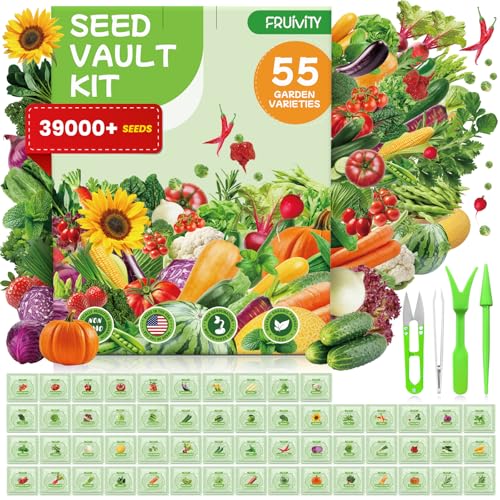
55 Vegetable Seeds Variety Pack - 39,000+ Heirloom Seeds for Planting Vegetables and Fruits, Non-GMO Garden Seeds for Outdoor Planting Gift for Mother, Women, Mom, Friend (55 PCS Vegetable Seeds)
🌱55 Vegetable Seeds Variety Pack: Grow a huge variety with over 39,000 premium heirloom seeds. This vast collection...
As an affiliate, we earn on qualifying purchases.
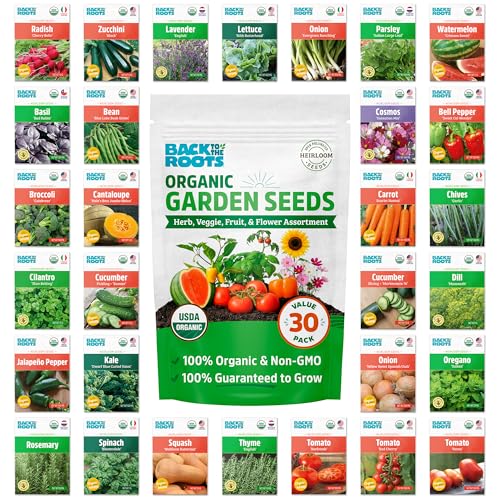
Back to the Roots Heirloom Organic, Non-GMO & USA Grown Seeds, 30ct Herb, Fruit, and Veggies, Assortment May Vary, Guaranteed to Grow
100% ORGANIC AND NON-GMO: There's no need to worry about intoxicants that may hinder your plant's growth because...
As an affiliate, we earn on qualifying purchases.