The power of positive feedback lies in its ability to boost motivation, strengthen relationships, and encourage continued growth. When you praise specific actions sincerely and promptly, you create an environment where people feel valued and motivated to perform at their best. Regular, genuine recognition fosters trust, improves morale, and boosts productivity. To harness this fully, focus on consistent, meaningful praise—stay with us to discover how mastering this skill can transform your interactions and leadership.
Key Takeaways
- Be specific and sincere when praising to maximize its motivational and impactful effects.
- Recognize exact actions or accomplishments to reinforce desired behaviors clearly.
- Deliver positive feedback promptly to enhance its influence on motivation and engagement.
- Make regular, consistent praise part of daily interactions to build a culture of recognition.
- Focus on behaviors that contribute to growth and success to foster ongoing improvement.

Positive feedback has the power to boost motivation and reinforce desired behaviors, making it a essential tool for personal and professional growth. When you use positive feedback effectively, you create an environment where individuals feel valued and appreciated. This sense of recognition encourages them to continue performing at their best, fostering a cycle of improvement. One of the most effective ways to leverage this is through motivational strategies that focus on highlighting strengths and achievements. By acknowledging specific efforts or accomplishments, you help individuals see the tangible impact of their work, which fuels their drive to excel further.
Positive feedback motivates, reinforces behaviors, and fosters growth by recognizing efforts and accomplishments.
In the workplace, positive feedback plays a fundamental role in enhancing employee engagement. When you take the time to praise employees genuinely, you demonstrate that their contributions matter. This can be as simple as recognizing a team member’s problem-solving skills or praising someone’s dedication to a project. Such recognition not only boosts morale but also builds trust and loyalty. When employees feel appreciated, they are more likely to invest their energy into their roles and collaborate effectively with colleagues. This increased engagement leads to higher productivity and a more positive organizational culture.
Using positive feedback as a motivational strategy involves being specific and sincere. Instead of vague praise like “Good job,” aim to highlight what exactly was well done. For example, “Your attention to detail in the report really improved its accuracy,” communicates appreciation clearly and encourages repeat behaviors. When you’re sincere in your praise, it resonates more deeply, making the recipient feel genuinely valued. This authenticity is key to fostering a motivated mindset, especially when praise is tied to meaningful accomplishments.
Furthermore, positive feedback should be timely. The sooner you acknowledge a person’s effort or achievement, the more impactful it becomes. Delayed recognition can dilute the message and reduce its motivational power. Consistency also matters; making positive feedback a regular part of your interactions helps establish a culture where recognition is the norm rather than the exception. This consistency sustains motivation and encourages ongoing engagement, as individuals come to expect and appreciate regular acknowledgment.
Ultimately, mastering the art of praising and encouraging through positive feedback can transform how you lead and interact with others. It nurtures a growth-oriented environment where motivation flourishes, and employee engagement reaches new heights. When you make positive feedback a core part of your motivational strategies, you not only elevate individual performance but also strengthen team cohesion and organizational success.

Ahopegarden Indoor Garden Hydroponics Growing System: 10 Pods Plant Germination Kit Herb Vegetable Growth Lamp Countertop with LED Grow Light - Hydrophonic Planter Grower Harvest Lettuce
High planting efficiency: Start an indoor herb garden with the Ahopegarden hydroponic growing system, which includes a water...
As an affiliate, we earn on qualifying purchases.
Frequently Asked Questions
How Does Positive Feedback Impact Long-Term Motivation?
Positive feedback boosts your long-term motivation by reinforcing your efforts and achievements. When you receive praise, it helps build your confidence, encouraging you to keep pushing forward. This motivation boost makes you more likely to set and reach new goals, fostering a cycle of growth. Consistent positive reinforcement nurtures resilience and a positive mindset, ensuring you stay committed and enthusiastic about your progress over time.
Can Positive Feedback Improve Team Dynamics?
Think of positive feedback as the glue that holds your team together, transforming individual efforts into a cohesive force. By using recognition strategies, you boost morale and foster trust, encouraging open communication. Pair this with constructive criticism to guide growth without breaking spirits. When you actively praise progress, you create a culture where collaboration flourishes, making your team more resilient, engaged, and enthusiastic to succeed together.
What Are Common Mistakes to Avoid When Praising?
When praising, avoid overpraising or giving insincere compliments, as they can diminish your credibility. You might think you’re motivating, but if your praise feels excessive or fake, it can backfire and reduce motivation. Be genuine and specific in your praise, focusing on real achievements. This way, your positive feedback will be more meaningful, encouraging continued effort and strengthening trust within your team.
How Often Should Positive Reinforcement Be Given?
You should give positive reinforcement frequently, balancing praise timing and frequency planning. Regularly acknowledging effort and achievements keeps motivation high, so aim for consistent, timely praise—whether daily or after key milestones. By doing this, you reinforce good behaviors, boost confidence, and foster a positive environment. Remember, frequent encouragement creates a cycle of motivation, positivity, and growth, making your praise meaningful and impactful.
Does Positive Feedback Work Equally for All Ages?
Positive feedback works differently across age groups, so you should tailor your approach using age-specific strategies. For children, keep praise simple and specific, while adults appreciate recognition that aligns with their goals. Cultural considerations also matter; some cultures favor public praise, others prefer private acknowledgment. By customizing your positive reinforcement, you guarantee it’s effective and meaningful for everyone, regardless of age or background.
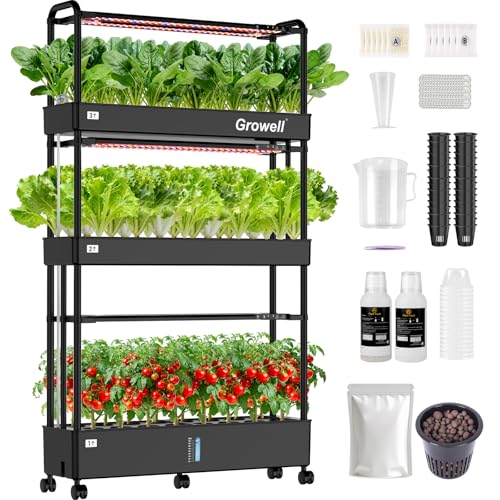
Growell Large Basket Hydroponics Growing System Kit, 48 Pods Vertical Hydroponic Garden with 2 Grow Light Modes, Auto Circulating Water System, 40L Indoor Gardening System for Herb Vegetable Fruit
More Space, Bigger Growth: Our upgraded Growell vertical hydroponics growing system kit now includes 48 large 3-inch baskets....
As an affiliate, we earn on qualifying purchases.
Conclusion
Remember, giving positive feedback isn’t about empty praise; it’s about genuinely recognizing effort and growth. You might think it’s not worth the time, but your encouragement can boost confidence and motivate others to excel. Even when someone seems to do fine on their own, a simple compliment can make a big difference. So, don’t hold back—embrace the power of positive feedback and watch how it transforms your relationships and results.
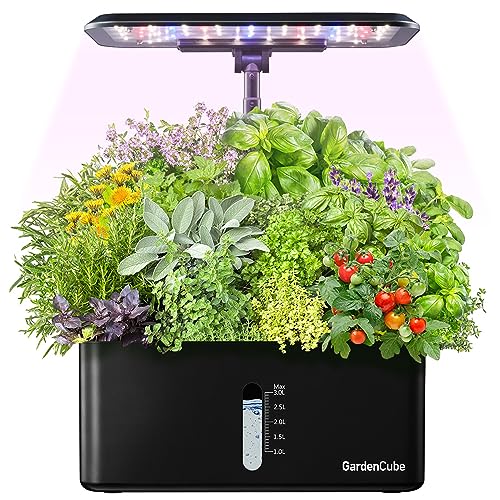
Hydroponics Growing System Indoor Garden: Herb Garden Kit Indoor with LED Grow Light Quiet Smart Water Pump Automatic Timer Healthy Fresh Herbs Vegetables - Hydroponic Planter for Home Kitchen Office
HARVEST ANYWHERE & ANYTIME: Indoor gardening system efficient 24-watt LED grow light simulates optimal effects of sunlight. Technology...
As an affiliate, we earn on qualifying purchases.

Ahopegarden Hydroponics Growing System kit: Indoor Herb Garden - 12 Pods Plant Germination Kit with LCD Display and LED Grow Light, Smart Temp & Humidity Detection, Planter Grower for Vegetables
INTELLIGENT TEMPERATURE & HUMIDITY MONITORING: Our Smart Hydroponics system kit is designed for Soilless Farming and grows up...
As an affiliate, we earn on qualifying purchases.