

The follow-up habit that makes you instantly more reliable is consistently and promptly reaching out after meetings or conversations. It shows you value others’ time and helps build trust. Use clear, personalized messages to reinforce your interest and commitment. Setting reminders and making this routine a habit guarantees you stay top of mind and dependable. Keep practicing this approach, and you’ll find that others see you as more credible and trustworthy with every follow-up.
Open a free Amazon Business account
Business pricing, bulk buying and tax-exempt orders.
As an affiliate, we earn on qualifying purchases.
Key Takeaways
- Consistently respond promptly to messages and inquiries to demonstrate reliability and respect for others’ time.
- Set clear reminders and schedule regular follow-ups to ensure no opportunity or commitment is overlooked.
- Personalize your follow-up messages to show genuine interest and strengthen trustworthiness.
- Develop a routine of regular check-ins, making follow-up an automatic part of your communication habits.
- Follow through on promises made during initial interactions to reinforce dependability and credibility.
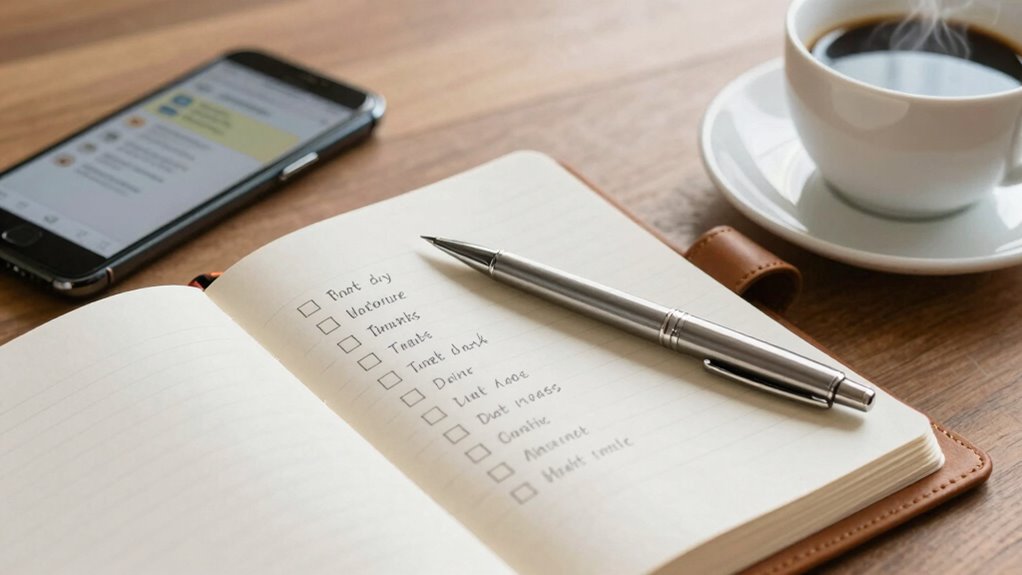
Have you ever wondered why some people close deals or build strong relationships while others let opportunities slip away? The key often lies in their follow-up habits. When you develop a consistent follow-up routine, you instantly become more reliable in the eyes of clients, colleagues, and friends. It’s not just about remembering to check back—it’s about mastering the art of timely, thoughtful communication. Good follow-up demonstrates that you value others’ time and priorities, which boosts your credibility and trustworthiness.
Consistent follow-up builds trust, credibility, and strong relationships through timely, thoughtful communication.
Time management plays a crucial role here. When you prioritize follow-up tasks, you avoid letting important opportunities fall through the cracks. Instead of letting days or weeks go by, you set clear reminders and allocate specific moments in your schedule for follow-up. This disciplined approach ensures you stay on top of your commitments without feeling overwhelmed. As a result, your reputation as someone who delivers on promises improves. People come to see you as dependable, someone who respects deadlines and values ongoing communication.
Alongside time management, sharpening your communication skills makes your follow-up more effective. It’s not just about sending a quick message; it’s about crafting messages that are clear, personalized, and timely. When you follow up with genuine interest, whether through email, phone calls, or in person, you show that you’ve listened and care about the other person’s needs. This level of engagement fosters stronger relationships and encourages reciprocal communication. Your follow-up should be concise but meaningful, emphasizing how you can help or how the conversation can continue productively.
Consistency is what transforms follow-up from a chore into a habit. When you make it routine, it becomes second nature to reach out at appropriate intervals. This consistency reassures others of your reliability and keeps you top of mind. Developing a structured approach to follow-up can further enhance your efforts. Remember, the most successful people don’t wait for opportunities—they create them through persistent, well-timed follow-up. When combined with good time management and effective communication skills, your follow-up efforts become a powerful tool that elevates your professional and personal reputation.
Ultimately, mastering the follow-up habit isn’t just about closing deals or securing commitments. It’s about building trust and demonstrating that you’re committed to the relationship. When you make follow-up a regular part of your routine, you become someone others can count on—someone who doesn’t drop the ball. This consistency makes you more reliable, more respected, and more likely to turn opportunities into lasting success. Recognizing the importance of trust-building can motivate you to stay committed to developing this essential habit.
professional follow-up email templates
As an affiliate, we earn on qualifying purchases.
As an affiliate, we earn on qualifying purchases.
Frequently Asked Questions
How Quickly Should I Follow up After a Meeting?
You should follow up within 24 hours after a meeting to stay fresh in everyone’s mind. Quick follow-up timing shows your reliability and enthusiasm. Use personalization tactics, like referencing specific points discussed, to make your message stand out. Keep it concise, friendly, and professional. By acting promptly and tailoring your message, you demonstrate your commitment and increase the chances of positive responses, strengthening your relationships effectively.
What’s the Best Way to Follow up Without Seeming Pushy?
You can follow up without seeming pushy by keeping your tone personal and friendly, like you’re chatting with a friend. Use visual cues, such as referencing something specific from your meeting, to show genuine interest. Wait a reasonable time—no more than a few days—and phrase your message as a helpful check-in rather than an urgent demand. This approach makes you appear reliable and considerate without overwhelming the other person.
How Do I Stay Consistent With Follow-Ups Over Time?
To stay consistent with follow-ups, set motivational reminders on your phone or calendar to prompt timely check-ins. Use personalized messaging to make your follow-ups feel genuine and relevant, which encourages ongoing engagement. Keep a simple system for tracking your interactions so you don’t forget important details. Over time, these habits become automatic, helping you build reliability and trust without feeling overwhelming or pushy.
Should I Follow up if I Receive No Response?
Yes, you should follow up if you receive no response, but do so with proper email etiquette and a professional tone. Keep your message polite, concise, and respectful of their time. Wait at least a few days before sending a gentle reminder, and avoid sounding pushy. This approach shows your reliability and persistence while maintaining professionalism, increasing the chances of getting a response and strengthening your relationship.
What Tools Can Help Automate Effective Follow-Ups?
Coincidentally, many tools streamline your follow-ups effortlessly. You can use personalized templates to craft tailored messages that resonate, saving you time and effort. Automated scheduling tools guarantee your follow-ups go out at ideal times, maintaining consistency without manual effort. These tools help you stay reliable and professional, making follow-ups seamless and less stressful. By integrating them, you boost your responsiveness, keeping relationships strong and trust intact.
As an affiliate, we earn on qualifying purchases.
Conclusion
By adopting the follow-up habit, you instantly become more dependable, earning trust like a trusty knight of old. Remember, even in a world of quick messages and fleeting moments, a simple follow-up keeps you rooted in reliability—like the sturdy oak amidst shifting winds. Don’t wait for a “perfect” moment; seize today’s chance, for in the grand tapestry of your career, consistent follow-through is what truly makes you stand out. Trust me, it’s a habit worth forging.
personalized message templates for business
As an affiliate, we earn on qualifying purchases.
As an affiliate, we earn on qualifying purchases.
time management tools for follow-up
As an affiliate, we earn on qualifying purchases.
As an affiliate, we earn on qualifying purchases.
NFL season / tailgating Picks
team gear
As an affiliate, we earn on qualifying purchases.