

If you have rejection sensitivity, you might find yourself overanalyzing neutral comments or small interactions, fearing rejection even when unlikely. You may feel anxious during social encounters, second-guessing your words and avoiding new opportunities. Compliments might feel uncomfortable, and you could interpret friendly gestures as hidden insults. Small disagreements might escalate or cause you to withdraw. Recognizing these patterns helps you better understand your reactions—keep exploring to learn practical ways to manage these feelings and build resilience.
Key Takeaways
- Overinterpreting neutral comments as personal slights, leading to emotional distress.
- Hesitating to share ideas or opinions at work due to fear of rejection or dismissal.
- Responding defensively or withdrawing after minor disagreements or perceived criticism.
- Avoiding new social opportunities or relationships to prevent potential rejection.
- Struggling to accept compliments or positive feedback, feeling undeserving or suspicious.

Rejection sensitivity can profoundly impact your daily interactions, often causing you to anticipate or fear rejection even when it’s unlikely. You might find yourself reading too much into simple comments, interpreting neutral remarks as personal slights. This heightened awareness can lead to a cycle of anxiety and overreaction, especially in situations involving other people. In conversations, you may become overly cautious, second-guessing your words or feeling rejected even when no one intends harm. This can make social interactions exhausting and stressful, as you’re constantly bracing for a negative response that may never come.
Rejection sensitivity causes overthinking and anxiety, making social interactions exhausting and stressful.
In the workplace, rejection sensitivity can manifest in various ways. You might worry that your ideas won’t be accepted, leading you to hesitate before sharing them. When colleagues dismiss or overlook your contributions, you could interpret it as a personal rejection rather than a simple miscommunication or busy workload. This can cause you to withdraw or become defensive, which might inadvertently affect your professional relationships. You’re often hyper-vigilant about feedback, fearing criticism or disapproval, even when your performance is solid. This persistent fear can hinder your ability to take risks or advocate for yourself, limiting your growth and opportunities. Recognizing the impact of rejection sensitivity and understanding its roots can empower you to develop healthier responses and foster more positive interactions. Developing emotional resilience and understanding how perceptions influence reactions can be crucial steps toward healthier interactions.
Interpersonal conflicts are common when you’re driven by rejection sensitivity. Small disagreements can escalate because you interpret neutral comments as hostile or dismissive. You might respond defensively or withdraw entirely, fearing that any confrontation confirms your belief that others reject or dislike you. Over time, this pattern can damage friendships and romantic relationships, as your reactions may seem disproportionate or mistrustful. The constant worry about rejection makes it difficult to be vulnerable or open, which are essential for deep connections. Building awareness of cognitive distortions related to rejection can help you challenge and reframe these negative thought patterns. The constant worry about rejection makes it difficult to be vulnerable or open, which are essential for deep connections. Developing skills in self-awareness and emotional regulation can help break this cycle. Recognizing how perception biases can distort your view of interactions is crucial for fostering genuine connections. The constant worry about rejection makes it difficult to be vulnerable or open, which are essential for deep connections. Instead, you might keep people at an emotional distance, afraid that their rejection is inevitable.
In daily life, rejection sensitivity often leads you to overanalyze interactions, seeking reassurance but rarely feeling satisfied with the answers. You may find it hard to accept compliments or positive feedback, dismissing them as politeness or insincerity. Instead of trusting others’ intentions, you might assume they’re just being polite or trying to be nice to avoid conflict. This constant fear of rejection can be exhausting, causing you to shy away from new experiences or social opportunities out of concern for potential rejection or misunderstanding. Recognizing these patterns is the first step toward managing your reactions and building healthier, more resilient relationships.
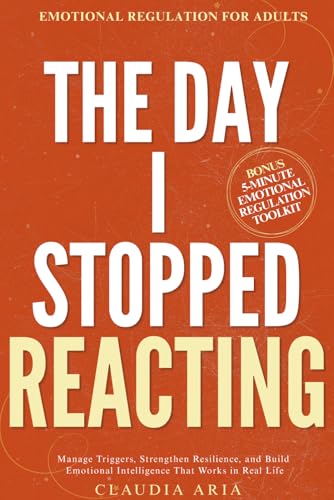
The Day I Stopped Reacting: Emotional Regulation for Adults To Manage Triggers, Strengthen Resilience, and Build Emotional Intelligence That Works in Real Life (The Rising Empaths)
As an affiliate, we earn on qualifying purchases.
As an affiliate, we earn on qualifying purchases.
Frequently Asked Questions
How Common Is Rejection Sensitivity Among Adults?
Rejection sensitivity is quite common among adults, affecting many in various ways. You might notice heightened emotional awareness, making you overly alert to potential rejection signals. Developing effective coping strategies can help you manage these feelings, reducing anxiety and improving your relationships. By understanding your sensitivity levels, you can work towards healthier emotional responses, ultimately fostering greater resilience and self-awareness in daily life.
Can Rejection Sensitivity Affect Romantic Relationships Differently?
Think of rejection sensitivity as a fragile glass heart in your romantic relationship. It can cause you to misinterpret your partner’s actions, making emotional resilience harder to maintain. You might become overly cautious or withdraw easily. To strengthen your bond, use communication strategies that foster openness and understanding. By addressing your sensitivities directly, you build trust, helping your relationship withstand the cracks caused by rejection fears.
Are There Specific Professions More Impacted by Rejection Sensitivity?
You might find that professions requiring high workplace resilience and social confidence, like sales or customer service, are more impacted by rejection sensitivity. If you’re sensitive to rejection, you could struggle with persistent feedback or rejection, affecting your performance and confidence. This can lead to avoiding challenges or withdrawing from interactions. Recognizing this allows you to develop strategies to build resilience, improve social confidence, and better manage rejection in your career.
How Can Friends Support Someone With Rejection Sensitivity?
You can support someone with rejection sensitivity by offering emotional validation and showing patience and understanding. Listen without judgment when they share feelings, and reassure them that their emotions are valid. Avoid dismissing their concerns or rushing them to feel better. Your consistent presence and kindness help create a safe space, making it easier for them to manage their sensitivity and build confidence in handling rejection.
Is Rejection Sensitivity Linked to Other Mental Health Conditions?
You should know that rejection sensitivity is often linked to other mental health conditions like anxiety and depression. This connection stems from underlying emotional awareness and how you cope with feelings. When you’re aware of your emotional triggers and develop healthy coping strategies, you can better manage these links. Remember, it’s not a one-size-fits-all situation, and seeking support can help you build resilience and navigate your emotions more effectively.

Breathing Lamp Guided Visual Meditation Tool for Mindfulness,Anxiety Relief&Calm Your Mind for Stress&Visual Relaxation and Restful Sleep,478 Seconds Breathing Rate Change 3 Colors,Gift for Kids
- Breathing Lamp Function: Reduces stress and promotes relaxation
- Material: Made of soft silicone for comfort
- Design: Elegant white appearance for decor
As an affiliate, we earn on qualifying purchases.
As an affiliate, we earn on qualifying purchases.
Conclusion
You might never realize how often rejection sensitivity influences your daily interactions—until that small comment or missed message suddenly feels like a personal rejection. It’s funny how, just yesterday, a delayed reply made you question everything, only to find out it was just a busy day. Sometimes, the smallest coincidences remind you that not everything is about you. Recognizing these moments can help you see the bigger picture, easing the weight of your sensitivity over time.

Baby's Travel Secrets: What every new parent needs to know to keep traveling
As an affiliate, we earn on qualifying purchases.
As an affiliate, we earn on qualifying purchases.

Retrain Your Brain: Cognitive Behavioral Therapy in 7 Weeks: A Workbook for Managing Depression and Anxiety (Retrain Your Brain with CBT)
As an affiliate, we earn on qualifying purchases.
As an affiliate, we earn on qualifying purchases.