
Choosing kindness over harsh criticism unbars greater motivation and resilience because self-compassion fosters a supportive inner dialogue, helping you bounce back from setbacks. When you treat yourself with kindness, you reduce stress, boost confidence, and learn from mistakes rather than fearing failure. Mindfulness and recognizing shared struggles deepen your connection to yourself and others, fostering persistence. Keep exploring how gentle self-approach boosts your growth and emotional strength in tough times.
Key Takeaways
- Self-kindness fosters resilience and sustained motivation by encouraging growth and learning from mistakes, unlike self-criticism that hampers progress.
- Compassionate self-talk reduces stress and anxiety, creating a safer environment for effort and persistence.
- Recognizing shared human struggles alleviates loneliness, boosting emotional strength and perseverance.
- Mindfulness combined with kindness helps maintain focus, prevent emotional reactivity, and support goal achievement.
- Practicing self-compassion enhances confidence and well-being, leading to better performance than harsh self-criticism.

Inspirational Office Home Desk Decor 1% Better Every Day Clear Acrylic Desk Decorative Sign, Motivational Gifts for Coworker Employee Friend
- Size: 4 x 4 inches with stand
- Material: Acrylic sign with wood stand
- Decorative Gift: Elegant and meaningful desk decor
As an affiliate, we earn on qualifying purchases.
Understanding Self-Compassion and Its Core Components

Understanding self-compassion begins with recognizing that it involves treating yourself with kindness and support during times of difficulty or failure. Instead of harsh self-criticism, you offer gentle understanding, acknowledging that everyone makes mistakes. Self-compassion has three main components: self-kindness, common humanity, and mindfulness. Self-kindness means being gentle with yourself rather than judgmental. Recognizing that suffering is a shared human experience helps reduce feelings of isolation. Mindfulness involves observing your thoughts and feelings without overidentifying with them, creating space for balanced reactions. By embracing these components, you foster a supportive attitude toward yourself, especially during setbacks. This multidimensional approach encourages you to respond to challenges with care, promoting emotional well-being and resilience. Incorporating evidence-based practices from psychological research can further enhance your ability to practice positive thinking and develop resilience in the face of adversity.

Inspirational Home Office Desk Decor, Motivational Minimalist Decor Art Acrylic Plaque With Wooden Stand Sign Home Office Desk Sign Gift for Women Colleague Friend Cowoker
- Adds Positive Energy: Brings personality to dull spaces
- Minimalist Design: Warm touch to home office decor
- Includes Wooden Stand: 4x4 inch stand for stability
As an affiliate, we earn on qualifying purchases.
The Link Between Self-Compassion and Emotional Resilience

When you practice self-compassion, you build emotional resilience by treating yourself with kindness during tough times. Mindfulness helps you stay balanced and aware of your feelings without judgment, making it easier to recover from setbacks. Recognizing that suffering is a shared human experience reduces feelings of isolation, strengthening your ability to bounce back. Incorporating positive coping strategies into your routine further enhances your capacity to handle stress and adversity with kindness.
Self-Compassion Fosters Resilience
Self-compassion plays a crucial role in fostering emotional resilience by helping you respond to setbacks with kindness rather than self-criticism. When you treat yourself with care during tough times, you build the mental strength to bounce back faster. This attitude reduces feelings of isolation and self-doubt, making challenges feel more manageable. Additionally, understanding the importance of color accuracy in your self-view can help you see yourself more clearly and compassionately. Consider these ways self-compassion fuels resilience:
- It encourages acceptance, allowing you to acknowledge pain without judgment, which prevents rumination.
- It promotes a sense of shared human experience, reminding you you’re not alone in struggles.
- It fosters patience and persistence, helping you stay committed to growth despite setbacks.
Mindfulness Supports Emotional Balance
Mindfulness plays a vital role in supporting emotional balance by helping you observe your thoughts and feelings without judgment. When you practice mindfulness, you create space between yourself and your reactions, allowing you to respond thoughtfully rather than react impulsively. This awareness helps you recognize when negative emotions arise, preventing them from spiraling out of control. By staying present, you become less overwhelmed by distress and more capable of managing difficult feelings with compassion. Mindfulness also fosters acceptance of your experiences, reducing self-criticism and feelings of isolation. As a result, you build emotional resilience, strengthening your ability to navigate setbacks and stress with calmness and clarity. Incorporating self-awareness into your routine can further enhance your emotional balance. This foundation of emotional balance enhances your overall well-being and supports your self-compassion practice.
Shared Humanity Reduces Isolation
Feeling isolated during difficult times can intensify suffering and undermine your emotional resilience. When you see your struggles as part of a shared human experience, it lessens loneliness and fosters connection. Recognizing that everyone faces setbacks and pain helps you feel less alone in your struggles. This sense of commonality can:
- Strengthen your belief that you’re not isolated in your suffering.
- Encourage empathy and compassion toward yourself and others.
- Boost your resilience by reminding you that adversity is universal, not personal failure.
Engaging in practices that promote emotional resilience can further support your ability to cope through shared understanding and kindness.

Inspirational Motivational Gifts Employee Appreciation Gifts Little Reminders You are Enough Clear Desk Decorative Sign Acrylic Sign With Wooden Stand for Office Desk Table Shelf
- Inspirational Desk Sign: Motivational office desk decoration
- Positive Reminder Gift: Modern clear acrylic design
- Sign Dimensions: 4 x 4 inches acrylic sign
As an affiliate, we earn on qualifying purchases.
How Self-Compassion Boosts Motivation and Personal Growth

Although it might seem counterintuitive, practicing kindness toward yourself can actually fuel your motivation and support personal growth. When you treat yourself with compassion, you’re more likely to embrace challenges instead of avoiding them out of fear of failure. Self-compassion helps you stay focused on growth rather than self-criticism, fostering intrinsic motivation rooted in mastery and learning. It encourages taking responsibility for your progress without harsh judgment, making setbacks feel like part of the process rather than personal failures. This mindset reduces anxiety and boosts confidence, empowering you to persist through difficulties. As a result, you’re more willing to pursue new goals, adapt to change, and improve continuously—knowing that kindness toward yourself sustains your drive and resilience over time. Incorporating sound design techniques like layering and manipulation can also serve as creative outlets that reinforce a compassionate approach to personal development.
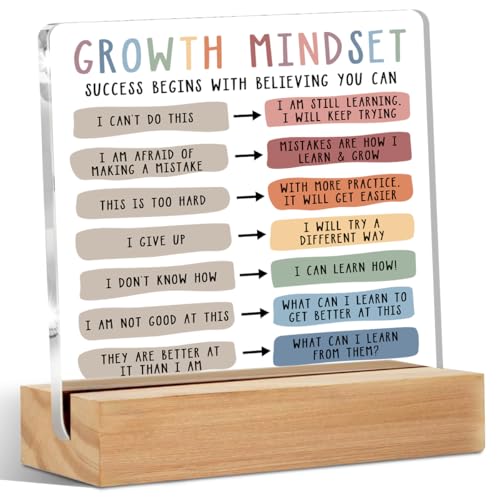
Growth Mindset Table Desk Decors, Positive Affirmations Acrylic Sign
- High Quality Materials: Durable acrylic and wood construction
- Bright, Clear Printing: Vivid quotes and images
- Compact Size: 4x4 inch decorative sign
As an affiliate, we earn on qualifying purchases.
Challenging Common Myths About Self-Compassion

Many people believe self-compassion is a form of self-indulgence or weakness, but that’s a misconception. Instead, kindness toward yourself can actually boost motivation and resilience. Recognizing this helps you see self-compassion as a strength that supports your growth rather than an excuse to avoid effort. Additionally, embracing failure as part of the creative practice overview can reinforce a compassionate attitude toward your efforts and setbacks.
Self-Compassion Isn’t Self-Indulgent
Self-compassion is often misunderstood as self-indulgent or a sign of weakness, but this perception is misleading. True self-compassion involves strength, resilience, and a commitment to growth, not avoiding responsibility. When you practice self-kindness, you acknowledge your struggles without harsh judgment. Recognizing that best anime movies can inspire and uplift you is also a form of compassionate self-care. Consider these truths: 1. Self-compassion fuels motivation, helping you bounce back from setbacks with renewed energy. 2. It promotes emotional strength, enabling you to face challenges without succumbing to guilt or shame. 3. It empowers you to take responsibility calmly, fostering genuine growth rather than complacency.
Kindness Boosts Motivation
Practicing kindness toward yourself doesn’t weaken your motivation; in fact, it fuels it. When you treat yourself with compassion, you create a safe space to learn and grow. Instead of avoiding challenges out of fear of failure, you’ll feel empowered to take risks because you know setbacks aren’t personal flaws—they’re part of the process. Self-kindness encourages intrinsic motivation, focusing on mastery and personal growth rather than external validation or perfection. It helps you stay committed, even when progress slows or mistakes happen. By fostering a positive inner dialogue, you build resilience and confidence, making it easier to persist toward your goals. Furthermore, cultivating self-compassion can improve mental health and emotional regulation, supporting sustained motivation. Far from diminishing effort, kindness enhances your motivation by nurturing a supportive mindset that values effort over perfection.
Not a Sign of Weakness
Despite common misconceptions, self-compassion isn’t a sign of weakness or a way to excuse poor behavior. In fact, it takes strength to treat yourself with kindness and understanding, especially in difficult times. Recognizing this challenges the myth that self-compassion leads to complacency or laziness.
Consider these truths:
- It fuels resilience, helping you bounce back faster from setbacks.
- It promotes growth, encouraging you to learn from mistakes instead of hiding from them.
- It empowers motivation, giving you the courage to pursue goals without fear of harsh judgment.
The Role of Mindfulness and Common Humanity in Supporting Motivation

Mindfulness and common humanity play essential roles in fostering motivation by helping you respond to challenges with a balanced and connected mindset. When you practice mindfulness, you observe your thoughts and feelings without judgment, reducing emotional reactivity. This calm awareness allows you to stay focused on your goals, even amid setbacks. Recognizing common humanity reminds you that suffering and struggles are part of the shared human experience, easing feelings of isolation. It fosters a sense of belonging and understanding, which boosts resilience. Together, mindfulness and common humanity help you approach difficulties with compassion rather than self-criticism. This supportive perspective maintains your motivation, encouraging persistence and growth, even when progress feels slow. Cultivating these qualities nurtures a steady, motivated mindset grounded in connection and awareness. Additionally, embracing the benefits of high-pressure application can help you develop resilience by building confidence in your ability to handle demanding situations.
Self-Kindness Versus Self-Criticism: Impact on Performance

When you approach setbacks with self-kindness instead of self-criticism, you create a more supportive environment for your performance to grow. Self-kindness encourages resilience, allowing you to see mistakes as opportunities rather than failures. In contrast, self-criticism can diminish your confidence and increase anxiety, making it harder to recover and improve.
Consider these effects:
- Boosted confidence as you treat mistakes as part of learning, not personal flaws.
- Reduced stress because you’re kinder to yourself during setbacks.
- Increased motivation since self-compassion supports persistence and growth, rather than giving up under harsh judgment.
Choosing self-kindness helps you stay engaged and resilient, fostering continuous improvement.
Practical Strategies to Cultivate Self-Compassion in Daily Life

Practicing self-compassion daily can be straightforward by incorporating simple, intentional strategies into your routine. Start by practicing mindfulness—pause and acknowledge your feelings without judgment, especially during setbacks. Use self-kindness instead of harsh self-criticism; speak to yourself as you would to a close friend facing challenges. Keep a gratitude journal to recognize shared human experiences and reduce feelings of isolation. Set realistic goals, celebrate small wins, and forgive yourself for mistakes. Incorporate brief meditation or breathing exercises to foster calm and awareness. Remind yourself that imperfection is part of being human. By consistently applying these practices, you gradually build a more compassionate relationship with yourself, boosting resilience and motivation over time.
Evidence-Based Benefits of Self-Compassion in Mental Health and Well-Being

Research consistently shows that self-compassion has significant mental health benefits. When you treat yourself with kindness, you reduce feelings of depression, anxiety, and stress. Studies reveal that higher self-compassion correlates with greater emotional resilience and overall well-being.
Self-compassion reduces depression, anxiety, stress, and boosts resilience and well-being.
Here are three powerful benefits:
- Lowered mental health symptoms — you experience fewer depressive and anxious thoughts, leading to a more positive outlook.
- Enhanced emotional resilience — you bounce back faster from setbacks and cope better during tough times.
- Improved physical health — self-compassion promotes healthier behaviors and reduces stress-related physiological effects.
Future Directions for Research and Application in Self-Compassion Practices

As the understanding of self-compassion deepens, future research can explore how tailored interventions might enhance its benefits across diverse populations. You could investigate culturally adapted programs that address specific barriers or misconceptions, making self-compassion more accessible globally. Additionally, integrating technology, like mobile apps or virtual reality, might personalize practices, increase engagement, and track progress more effectively. Researchers should also examine long-term impacts, identifying which components of self-compassion sustain motivation and resilience over time. Exploring how self-compassion interacts with other psychological skills, such as emotional regulation and growth mindset, could optimize intervention strategies. Finally, applying these insights in settings like workplaces, schools, and healthcare can broaden the reach and deepen the impact of self-compassion practices, fostering healthier, more motivated communities.
Frequently Asked Questions
Can Self-Compassion Improve Relationships With Others?
Yes, practicing self-compassion can improve your relationships with others. When you’re kind and understanding toward yourself, you naturally become more empathetic and patient with others. This reduces defensiveness and promotes healthier communication. As you foster self-kindness and mindfulness, you’re better able to support loved ones, handle conflicts calmly, and build trust. Ultimately, self-compassion enhances your emotional resilience, making your relationships more supportive, authentic, and resilient to challenges.
How Does Self-Compassion Influence Physical Health Outcomes?
Think of self-compassion as a nurturing garden for your health. When you treat yourself kindly during setbacks, your body responds with reduced stress and inflammation, boosting your physical resilience. By practicing mindfulness and self-kindness, you lower cortisol levels and improve immune function. This supportive internal environment encourages healthier habits, better sleep, and faster recovery, ultimately leading to improved physical health outcomes. Your kindness to yourself truly cultivates well-being.
Is Self-Compassion Effective for Managing Chronic Pain?
Yes, self-compassion can be effective for managing chronic pain. When you’re kind to yourself during pain episodes, you reduce stress and emotional distress, which often worsens discomfort. Practicing mindfulness helps you observe pain without judgment, while recognizing your shared human experience lessens feelings of isolation. This compassionate approach fosters resilience, improves emotional well-being, and can make coping with chronic pain more manageable by promoting a supportive mindset.
What Are the Cultural Differences in Practicing Self-Compassion?
Cultural differences in practicing self-compassion revolve around understanding, acceptance, and expression. In some cultures, you might find self-compassion encouraged through community support and shared values, emphasizing humility and collective well-being. In others, you may struggle with self-kindness due to cultural norms valuing stoicism or self-criticism. Recognizing these differences helps you adapt self-compassion practices that resonate with your cultural background and foster genuine kindness toward yourself.
How Long Does It Take to Develop a Self-Compassionate Mindset?
Developing a self-compassionate mindset varies for each person, but you can notice progress within a few weeks with consistent practice. Engaging in mindfulness exercises, self-kindness routines, and reflecting on shared human experiences helps accelerate this process. Keep in mind, it’s an ongoing journey, so patience and regular effort are key. Over time, cultivating self-compassion becomes more natural, boosting your resilience, motivation, and overall well-being.
Conclusion
By embracing kindness toward yourself, you create a gentle foundation for growth and resilience. When you treat yourself with compassion, setbacks become opportunities rather than obstacles. Remember, a soft voice of understanding can inspire greater motivation and well-being. As you nurture this kindness, you’ll find your journey smoother and more fulfilling. Ultimately, a little self-compassion goes a long way in helping you flourish, turning challenges into stepping stones along your path.