
To prevent burnout, prioritize self-care by setting clear boundaries around your work hours, scheduling regular breaks, and carving out time for activities you enjoy. Practice mindfulness techniques like deep breathing or meditation to stay grounded and reduce stress. Incorporate wellness practices such as yoga or physical activity to boost your resilience. Remember, consistent self-care enhances your decision-making, focus, and overall leadership effectiveness. Keep engaging with these strategies to build lasting balance and well-being.
Key Takeaways
- Set clear boundaries around work hours and avoid late-night emails to protect personal time.
- Incorporate mindfulness practices like breathing exercises and meditation to reduce stress and increase emotional resilience.
- Schedule regular breaks and prioritize physical activity, such as yoga, to maintain mental and physical well-being.
- Carve out intentional time for rest, personal interests, and relationships to foster work-life balance.
- Recognize signs of overwhelm early and practice self-care to sustain leadership effectiveness and prevent burnout.

As a leader, you often put others’ needs ahead of your own, but neglecting self-care can lead to burnout and diminished effectiveness. Achieving a healthy work-life balance becomes essential when you’re constantly juggling responsibilities. When your days are packed with meetings, deadlines, and strategic planning, it’s easy to forget about your own well-being. You might think that pushing through fatigue or stress shows dedication, but over time, it wears you down physically and mentally. Prioritizing work-life balance doesn’t mean slacking off; it means intentionally carving out time for rest, personal interests, and relationships. Setting boundaries around work hours, avoiding the temptation to check emails late at night, and scheduling regular breaks can make a significant difference. These small adjustments help you recharge and return to your tasks with renewed focus and energy.
In addition to balancing your work and personal life, incorporating mindfulness practices into your routine is a powerful way to prevent burnout. Mindfulness involves paying attention to the present moment without judgment, which can reduce stress and increase emotional resilience. You might start with simple breathing exercises or short meditation sessions each day. These practices help you become more aware of your physical and emotional states, allowing you to recognize signs of overwhelm before they escalate. For example, taking a few deep breaths before responding to a difficult email or during a stressful meeting can ground you and prevent reactive responses. Mindfulness also encourages you to slow down, fostering a sense of clarity and calmness amid chaos. Over time, these practices can become a crucial part of your self-care routine, helping you maintain focus and composure even during high-pressure situations. Additionally, exploring yoga can complement mindfulness by enhancing flexibility, reducing stress, and promoting overall well-being, making it a valuable tool for leaders seeking comprehensive self-care.
Balancing work and personal life requires honesty and commitment. It’s about recognizing that your well-being directly impacts your effectiveness as a leader. When you implement mindfulness practices regularly, they serve as tools to manage stress more effectively, leading to better decision-making and healthier interactions. Remember, self-care isn’t a luxury; it’s a necessity if you want to sustain your leadership role long-term. Ensuring you get enough sleep, stay physically active, and take mental health breaks will contribute to a more resilient you. Ultimately, by consciously fostering work-life balance and practicing mindfulness, you take proactive steps toward preventing burnout, enabling you to lead with energy, clarity, and compassion.
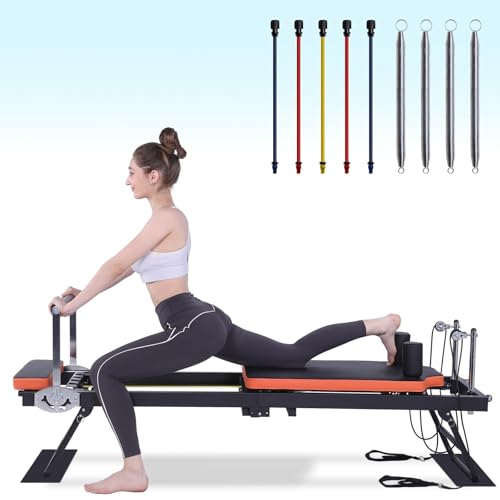
Pilates Reformer,Dpiolrcag Foldable Pilates Machine & Equipment for Home Use and Gym Workout, Suitable for Advanced and Beginners Users, Up to 250 lbs Weight Capacity
🏠【Create Your Home Gym】: Start your personalized Pilates workout anytime without the need for expensive memberships or trips...
As an affiliate, we earn on qualifying purchases.
Frequently Asked Questions
How Can Leaders Recognize Their Own Burnout Signs Early?
You can recognize your early warning signs of burnout by paying attention to emotional exhaustion and changes in your energy levels. If you notice persistent fatigue, irritability, or difficulty concentrating, these are signals to pause and assess yourself. Regular self-checks, such as journaling or seeking feedback from trusted colleagues, help catch burnout early. Listening to your body and mind is essential to prevent it from escalating into more serious issues.
What Role Does Organizational Culture Play in Preventing Leader Burnout?
Ironically, organizational culture can be your greatest protector or silent saboteur against burnout. When your organization genuinely embraces values like work-life balance and respects cultural norms of openness, it fosters a supportive environment. This reduces stress, encourages transparency, and helps you set healthy boundaries. Conversely, if the culture promotes relentless hustle, you’re more likely to burn out. Your organization’s values shape your resilience—make sure they support your well-being.
Are There Specific Self-Care Strategies for Different Leadership Styles?
Yes, tailoring self-care strategies to your leadership style makes a difference. For example, if you’re an empathetic leader, personalized routines like mindfulness or journaling can help manage stress and maintain emotional balance. If you’re a more decisive leader, physical activity or structured breaks may suit you better. Recognizing your style allows you to implement effective stress management techniques, ensuring you stay resilient and prevent burnout.
How Can Leaders Balance Self-Care With High-Pressure Decision-Making?
You need to strike a balance between self-care and decision-making by prioritizing mindfulness techniques, which help you stay centered under pressure. Use time management to carve out moments for reflection and recharging, even during busy days. Remember, you can’t pour from an empty cup—taking small breaks and staying present enables you to make better choices without burning out. It’s all about keeping your well-being in check while leading effectively.
What Resources Are Available for Leaders Experiencing Burnout?
When you’re experiencing burnout, support networks and wellness programs can be invaluable resources. Reach out to your professional support networks—mentors or peer groups—for guidance and understanding. Many organizations offer wellness programs that include counseling, stress management workshops, and health initiatives designed specifically for leaders. These resources help you recharge, maintain resilience, and regain balance, ensuring you can lead effectively without sacrificing your well-being.

PAETA Pilates Reformer, 86" Foldable Reformer Pilates Machine with Adjustable Reformer Heights, Pilates Equipment with Piano Wire Spings and Jump Boards(Black)
Adjustable Reformer Heights: Our pilates reformer machine features easily removable stands for quick height adjustments. The lower reformer...
As an affiliate, we earn on qualifying purchases.
Conclusion
Remember, even the most skilled captains need to pause and refuel. Imagine a race car driver who regularly checks their tires and engine—neglecting self-care can lead to breakdowns just like a car. Prioritize your well-being with small, consistent actions, so you can steer your team effectively without burning out. Taking care of yourself isn’t a luxury; it’s the fuel that keeps your leadership engine running smoothly and sustainably.

Pilates Reformer Machine, Quick-Assembly Foldable Studio Grade Pilates Equipment for Gym and Home, Oak Wood Pilates Reformer with Reformer Accessories
Pre-Built & Ready: It comes 80% pre-assembled and can be assembled in just 4 steps after opening, connecting...
As an affiliate, we earn on qualifying purchases.

Merrithew Elevated at Home SPX Reformer Package (Black) (ST-11010)
Includes Reformer Box with Footstrap, Padded Platform Extender, Metal Roll-up Pole,
As an affiliate, we earn on qualifying purchases.