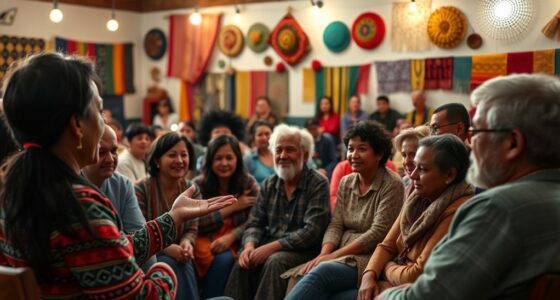

In communities, conflicts often follow a cycle where good people feel caught in frustrating loops of misunderstanding and escalation. When conflicts are handled reactively or with hostility, trust erodes, and honest members withdraw. Poor conflict management turns disputes into barriers, weakening connections over time. If you want to prevent this cycle from pushing others away, understanding how to recognize and address conflicts early is key. Keep exploring to discover how to break these patterns and foster stronger bonds.
Key Takeaways
- Conflict cycles often lead to misunderstandings and mistrust, causing good people to withdraw from the community.
- Reactive and confrontational responses escalate disagreements, discouraging constructive participation.
- Lack of structured conflict resolution creates unresolved issues that push honest members away.
- Poor communication and avoidance deepen divisions, making community members feel unsafe or unsupported.
- Failure to address conflicts early results in community fragmentation and the loss of potential allies.
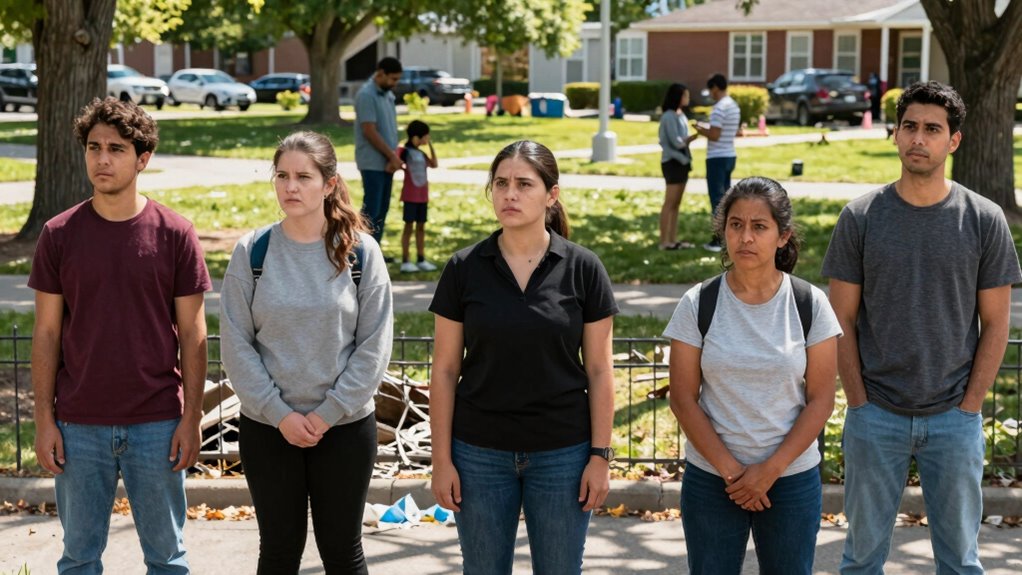
Have you ever wondered why conflicts seem to follow a familiar pattern within communities? It’s almost like a cycle, where good people get caught in the same frustrating loop, and before they know it, they’re pulling away. The core of this pattern often lies in how conflicts are handled—or, more accurately, mishandled. When disagreements arise, many communities rely on reactive or confrontational approaches instead of proactive mediation strategies. Without effective conflict resolution, differences escalate, misunderstandings deepen, and trust erodes. This cycle pushes honest, well-meaning people out, leaving behind a fractured community where genuine connection becomes harder to sustain.
The problem begins with how conflicts are addressed. Instead of seeing disputes as opportunities for growth and understanding, many communities fall into patterns of avoidance or hostility. People either ignore issues in hopes they’ll resolve themselves or lash out, which only fuels resentment. The absence of structured conflict resolution creates a climate where miscommunication thrives. When tensions reach a boiling point, community members often feel powerless or misunderstood, leading to withdrawal or disengagement. It’s in these moments that conflict becomes a barrier rather than a bridge. Recognizing the importance of conflict resolution can help communities develop healthier ways to navigate disagreements. Developing conflict awareness can prevent issues from escalating into destructive cycles. Additionally, understanding the conflict cycle itself can equip community members with the insight needed to break free from it. Recognizing common conflict patterns can help individuals respond more effectively and prevent escalation.
What’s missing in many cases are effective mediation strategies. Mediation isn’t just about calming tempers; it’s about actively guiding parties toward common ground. Skilled mediators listen without bias, clarify misunderstandings, and help individuals see each other’s perspectives. When communities adopt these strategies, they create a safe space for open dialogue. Conflict resolution then transforms from a source of division into an opportunity for connection. But without intentional efforts, disputes remain unresolved, festering beneath surface calmness and ready to erupt at the slightest provocation. Developing conflict management skills can empower community members to address issues proactively rather than reactively.
This cycle continues because many communities lack the tools and awareness to resolve conflicts constructively. Instead of addressing issues early, they tend to ignore or dismiss them until they become unmanageable. Good people get worn down or discouraged, feeling like their voices no longer matter. Over time, they withdraw, and the community’s fabric weakens. The key to breaking this pattern is recognizing the importance of proactive conflict resolution. Implementing mediation strategies early on can prevent disputes from escalating, fostering an environment where differences are seen as opportunities for growth rather than threats.
Ultimately, you have the power to change this cycle. Whether you’re a community leader or a concerned member, promoting open communication, embracing mediation strategies, and prioritizing conflict resolution can turn destructive conflicts into opportunities for community building. When everyone commits to understanding and resolving issues constructively, the cycle of pushing good people away can be broken, paving the way for a more connected, resilient community.
As an affiliate, we earn on qualifying purchases.
Frequently Asked Questions
How Can Community Members Prevent This Conflict Pattern?
You can prevent this conflict pattern by actively fostering community cohesion and trust building. Engage openly with others, listen without judgment, and address issues directly yet compassionately. Encourage inclusive participation and shared goals, creating a safe space where everyone feels valued. By promoting transparency and understanding, you help break down barriers, strengthening relationships and maintaining a healthy community environment that keeps good people engaged and committed.
What Signs Indicate This Pattern Is Forming Early?
Imagine a garden slowly overrun by weeds—early warning signs of conflict start small, like wilting flowers or uneven growth. You might notice tension bubbling beneath surface conversations, passive-aggressive behaviors, or a decline in participation. These subtle signs signal conflict escalation, warning you that the harmony is fragile. Address these issues early by fostering open dialogue and understanding, preventing the weeds from choking out the beauty of your community.
Are There Specific Communities More Prone to This Pattern?
Certain communities are more prone to this pattern due to their demographics and social cohesion levels. If a community has diverse demographics with weak social bonds, it’s more likely to experience conflict that pushes good people away. Low social cohesion leads to misunderstandings and mistrust, creating an environment where conflict flourishes. You’ll notice these communities struggle with communication and inclusivity, making it harder for positive engagement to thrive and for good people to feel welcomed.
How Does Leadership Influence This Conflict Cycle?
Ever wonder how leadership influences conflict? Your leaders set the tone and directly impact conflict resolution and accountability within the community. When they prioritize open communication, hold themselves accountable, and model respectful behavior, they reduce misunderstandings and foster trust. Conversely, poor leadership can escalate tensions, making good people feel unwelcome. Strong leadership is essential to breaking the cycle and creating a supportive environment where everyone feels valued and heard.
Can This Pattern Be Reversed Once It Starts?
Yes, this pattern can be reversed through effective conflict resolution and fostering community cohesion. You need to address issues openly, encourage honest communication, and build trust among community members. By actively listening and mediating disputes, you create an environment where good people feel valued and safe. Consistently promoting understanding helps break the cycle, ultimately strengthening the community and making it more resilient against future conflicts.
conflict resolution books for communities
As an affiliate, we earn on qualifying purchases.
As an affiliate, we earn on qualifying purchases.
Conclusion
If you ignore the community conflict pattern, you’ll find yourself lost in a whirlwind of chaos and disconnect, feeling more alone than ever. But if you recognize and address these issues, you have the power to turn things around. Don’t let misunderstandings or disagreements drive good people away—because doing so could mean losing the very soul of your community. Act now, and watch your community thrive like never before, stronger and more united than you ever imagined!
community conflict management training
As an affiliate, we earn on qualifying purchases.
As an affiliate, we earn on qualifying purchases.
structured conflict resolution tools
As an affiliate, we earn on qualifying purchases.
As an affiliate, we earn on qualifying purchases.